
 Pin
Pin
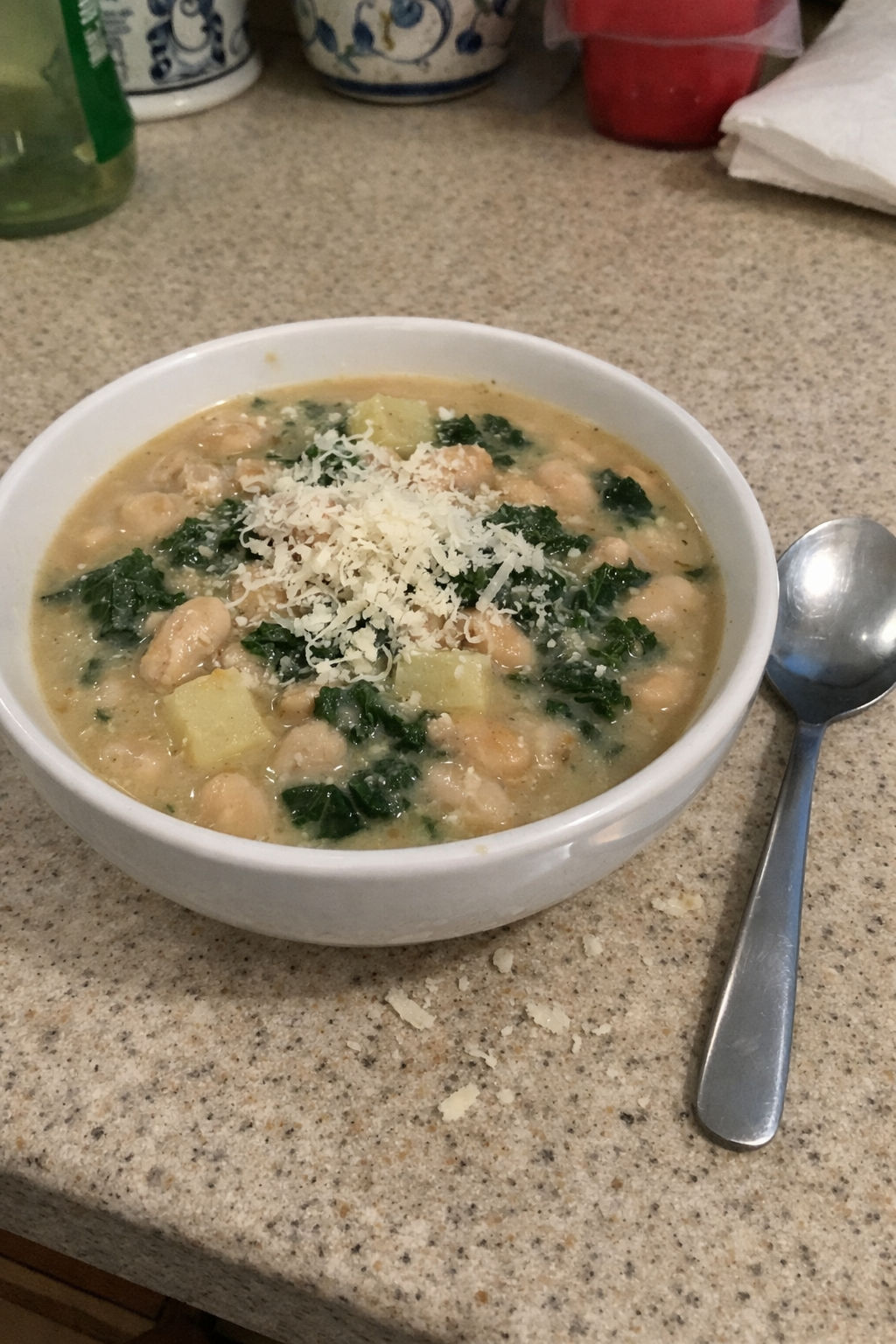
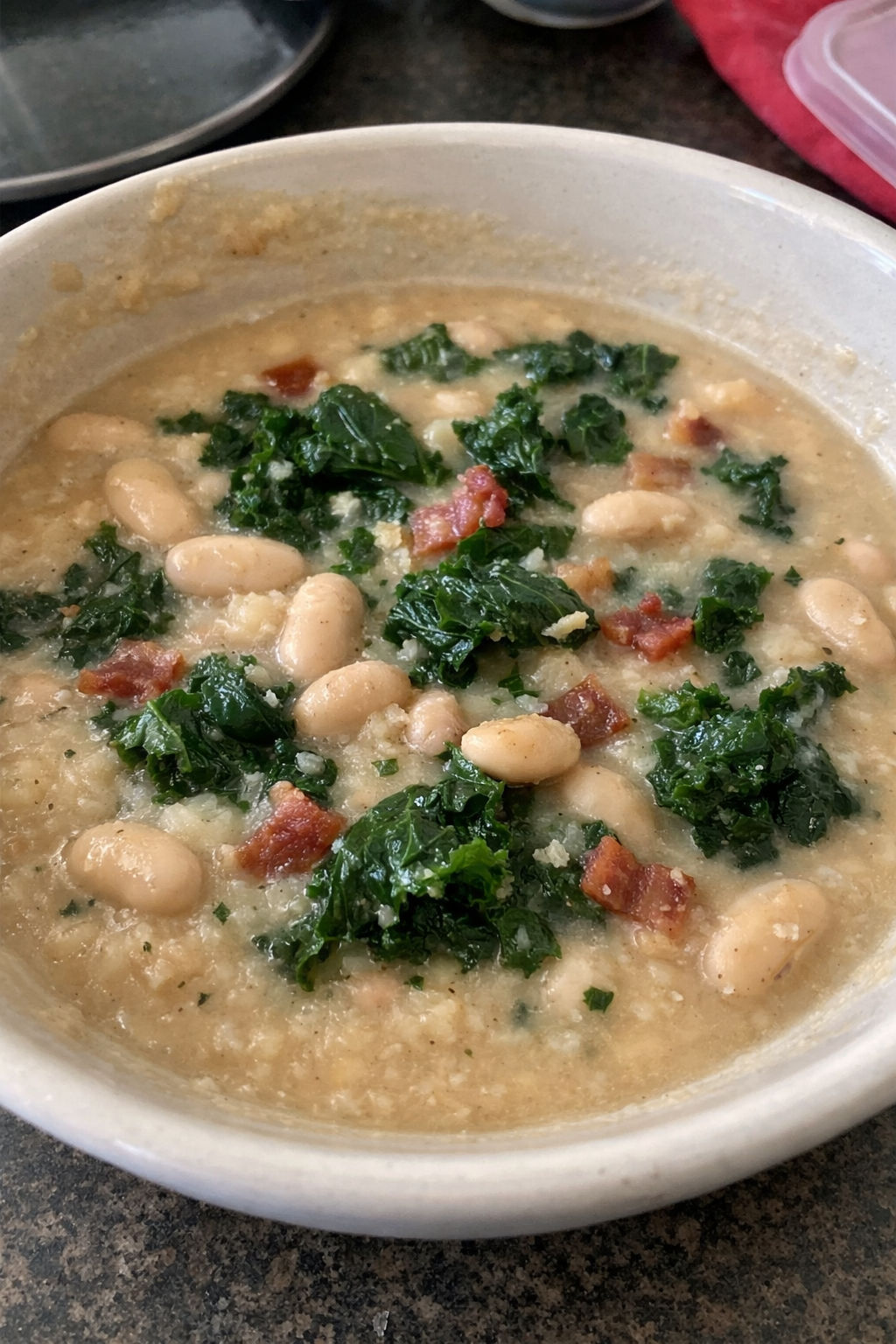
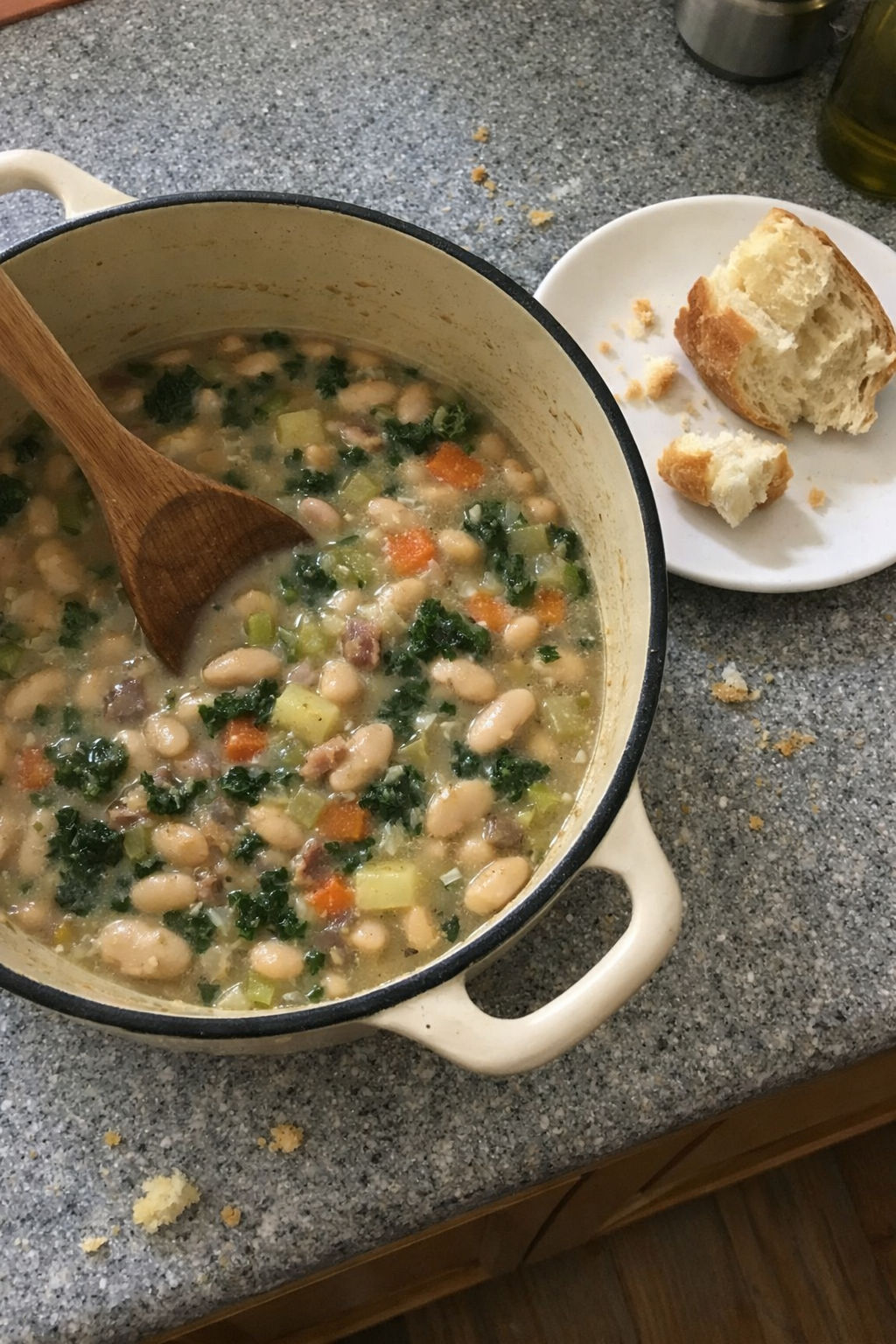
This is a canned-bean soup with two textures: whole cannellini beans for substance and a blended portion for body. Bacon, rosemary and vegetables provide the savory base; a diced potato makes it more substantial. No cream is needed for this formula. “Tuscan-style” describes the ingredient combination, not a verified traditional recipe, and the timing is a guide rather than a tested guarantee.
Divide the beans and broth before cooking
Set three cans of beans beside a four-cup measure of broth. Drain and rinse the first can, then blend it with one cup taken from that measured broth. Drain the other two cans and reserve them whole. Three cups of broth remain for the pot. Keeping these portions separate prevents the common error of adding an extra cup of liquid on top of the recipe total.
Canned beans are already cooked. Do not replace the three cans with an equal weight of dry beans and follow this short simmer: dry beans need a separate preparation and cooking process. Different can sizes also produce different drained amounts. If you adapt the batch, record drained bean weight instead of treating every can labeled “white beans” as identical.
Build flavor without burning the garlic
Choose a heavy pot with room to stir without spilling. Warm the measured oil, add chopped bacon and cook until its fat renders and the pieces brown. Use moderate heat if the bottom develops dark patches. Brown residue can contribute flavor; black residue can make the entire soup bitter and should not be stirred into the finished broth.
Cut the onion, carrot and celery into reasonably even pieces. Add them to the bacon base and stir until they begin softening. Add garlic and rosemary later so they have a short contact with the hot fat before liquid goes in. If the pot is dry enough that garlic immediately sticks or darkens, reduce the heat rather than relying on broth to erase a burned flavor.
Use potato tenderness as the simmer check
Add the bean puree, remaining whole beans, the three cups of reserved broth and potato. Cut the potato close to 1/2-inch dice. Large chunks can remain hard while the rest of the soup is ready. Bring to a simmer, then lower the heat so the surface moves gently instead of boiling hard enough to break apart the whole beans.
Begin checking a thick potato cube near the recipe’s estimated simmer time. A knife should enter without a firm core. Stir along the bottom while checking because the puree can settle and catch. If the potato is still firm and the soup has become very thick, add a small amount of hot water, stir and continue simmering; do not serve it merely because the timer has elapsed.
Add greens after the potato is ready
The blended can is the main thickener, while potato contributes additional body as it cooks. Judge consistency before making corrections. If the soup is thin but the vegetables are ready, mash a small spoonful of beans against the pot and stir it back. If it is too thick, loosen gradually. Repeated large additions of broth can increase salt as well as volume.
Remove tough kale stems and cut the leaves so they fit comfortably on a spoon. Add them after the potato is tender and simmer until their texture suits you; older curly leaves may need longer than tender finely cut leaves. Add parsley near serving. Taste a spoonful containing both broth and beans before adjusting salt, especially if using salty bacon or broth.
Cool portions and reheat the soup
This version contains bacon and may use chicken broth. It is not vegetarian just because the main ingredient is a bean. A vegetarian variation would need vegetable broth, omitted bacon and a check of any Parmesan’s rennet labeling. That is a flavor variation rather than an identical result, and it has not been tested here.
Do not leave a full hot pot on the counter until completely cold. Divide leftovers into shallow containers and refrigerate promptly. The FoodSafety.gov storage chart lists three to four refrigerator days for soups and stews. Mark the preparation date on the container; reheating does not restart that storage period.
Choose equipment and serve
Reheat only the portion needed, stirring so the center and edges heat evenly. Add a little water if chilled beans and potato have thickened the soup. For leftovers, use a measured 165°F endpoint and bring soup to a rolling boil, following USDA guidance. Thaw frozen portions in the refrigerator rather than on the counter.
An immersion blender is convenient for the separate bean-and-broth portion if its container is deep enough to prevent splashing. A conventional blender also works for that cool mixture. Do not assume its closed lid is safe for blending boiling soup; consult its instructions before putting hot liquid in it. This recipe does not require pureeing the whole finished pot.
Offer Parmesan at the table so diners can decide whether the soup needs that extra salt and dairy. A slice of savory cheese and onion pie makes a more substantial meal. For a different thickening method, beer cheese soup uses a roux and melted cheese; its liquid proportions and reheating considerations are separate from this bean-based soup.
Common Questions About This Recipe
- Why blend only one can of beans?
It gives the broth body while leaving two cans for texture. Blend it with one cup from the measured four-cup broth total, not an additional cup.
- Can dried beans go straight into the pot?
No. The stated simmer assumes cooked canned beans. Cook dried beans separately using suitable directions before developing an equivalent drained quantity.
- Why does the soup thicken overnight?
The beans and potato continue to affect its consistency as it stands. Reheat a portion with small water additions and reassess before diluting the entire batch.
- Can bacon be omitted?
Yes as a variation, using vegetable broth for a vegetarian direction. The flavor changes, and cheese labels still matter if using Parmesan.
- What should be ready before adding kale?
The potato should be tender. That lets you cook the leaves to the desired texture without waiting for hard potato chunks.
- How long can leftovers stay refrigerated?
Use promptly refrigerated soup within three to four days under FoodSafety.gov guidance. Freeze portions you cannot use in that window.