
 Pin
Pin
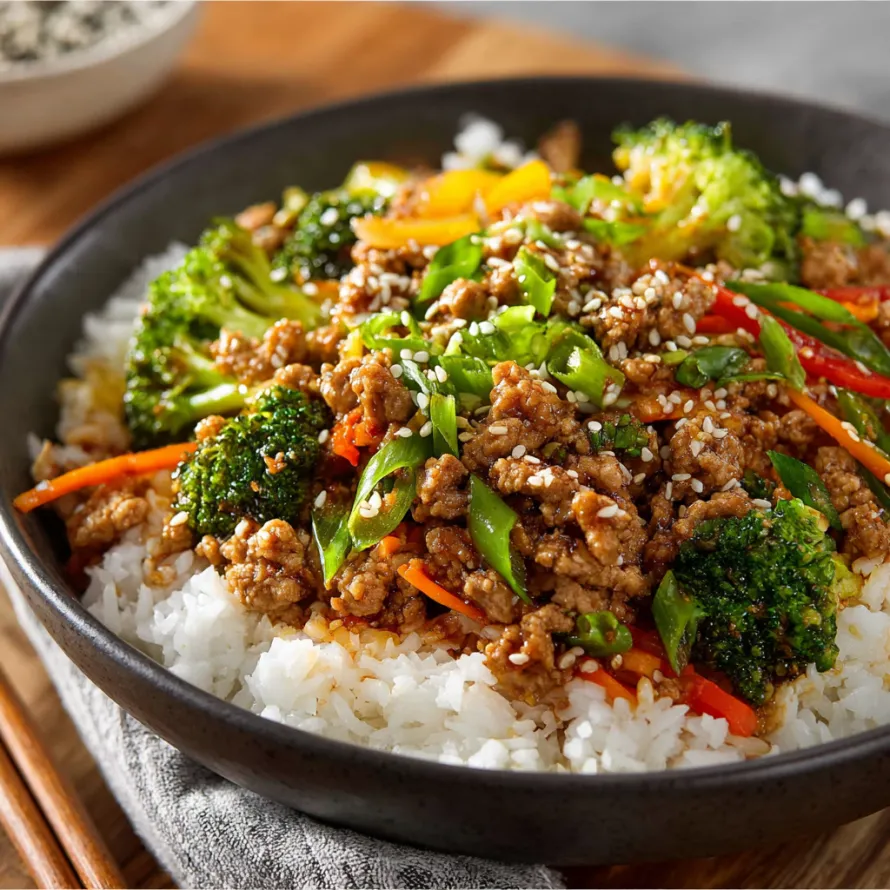
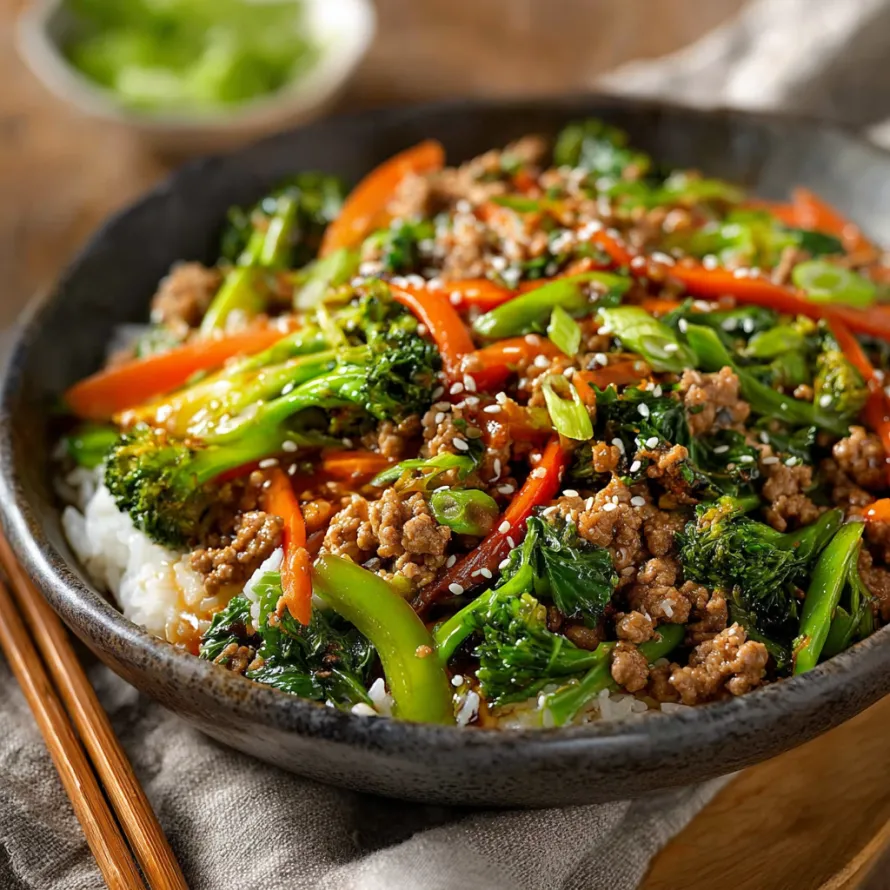
Ground turkey and vegetables are coated in a separately thickened teriyaki-style sauce with orange zest. Divide the water before heating: three-quarters cup goes into the sauce and one-quarter cup makes the cornstarch slurry. Cook the vegetables before adding the thick sauce so it does not scorch while they soften.
A smooth slurry disperses more evenly than dry starch sprinkled into hot sauce. Stir it again immediately before pouring because starch settles. Add gradually while stirring and let the sauce simmer briefly to assess its final thickness.
Ingredient amounts and preparation
- Set out: 1/4 cup soy sauce
- Set out: 3 tablespoons brown sugar
- Set out: 1 cup water, divided
- Set out: 2 tablespoons honey
- Set out: 3 garlic cloves, minced
- Set out: 1 teaspoon fresh ginger, grated or minced
- Set out: 2 tablespoons cornstarch
- Set out: 1 tablespoon orange zest
- Set out: 1 pound ground turkey
- Set out: 2 teaspoons sesame oil
- Set out: 3 cups broccoli florets, fresh or frozen
- Set out: 1 small onion, diced
- Set out: 1 cup shredded carrots
- Set out: Salt and pepper to taste
Cooking sequence and doneness
- Stage 1
- Combine three-quarters cup water, soy sauce, brown sugar, honey, garlic and ginger in a saucepan and bring to a gentle simmer.
- Stage 2
- Whisk cornstarch into the remaining quarter cup cold water, stir again and gradually add to the simmering sauce;
- Stage 3
- cook until glossy, then remove from heat and add orange zest.
- Stage 4
- In a large skillet heat sesame oil, soften onion and cook ground turkey in small crumbles to 165°F.
- Stage 5
- Add broccoli and shredded carrot, cooking until the vegetables are tender enough to eat and using a small splash of water if needed before the sauce goes in.
- Stage 6
- Lower the heat, fold in the prepared sauce and stir until evenly coated without letting the bottom catch.
- Stage 7
- Serve over separately cooked rice or noodles if desired.
Both serve different purposes. Breaking the turkey into small pieces helps it cook evenly, while a thermometer establishes that it reaches 165°F. Pale or browned color alone is not a reliable endpoint for ground poultry. Cut florets small and trim thick stems before starting. Give the vegetables additional cooking time in the turkey pan before coating them in sauce. A splash of water and a short covered steam can soften them without burning the meat underneath.
When is orange zest added?
After the sauce thickens and leaves the heat. Grate only the colored outer peel, avoiding the bitter white layer. This adds citrus aroma without introducing extra juice that would change the sauce’s measured liquid.
Is the sauce interchangeable with bottled teriyaki?
Not by a fixed equal-volume rule. This recipe has its own water, sugar and starch proportions, while bottled sauces vary in concentration. If using a bottle, follow its cooking directions and assess coating amount separately. Rice is a serving suggestion rather than a measured component of this skillet formula. Cook it separately and plan portions for your meal. Do not add dry rice to the thickened sauce and expect it to hydrate.
Storage and serving later
Refrigerate perishable leftovers promptly in shallow containers at 40°F or below; do not wait for a large hot batch to cool completely on the counter. University of Illinois Extension’s leftover guidance gives a three-to-four-day refrigerated window and 165°F for reheating foods served hot. Keep cold salads and toppings chilled, and follow shorter product-label limits where applicable.
Related recipe choices
For another complete recipe, see Sesame Chicken with Coconut Aminos, Rice and Green Beans or Gochujang Beef Meatball Bowls with Rice and Spicy Mayo. Each has its own ingredient quantities and cooking sequence; keep those measurements separate when choosing a meal. USDA’s temperature guidance specifies 165°F for poultry, including ground chicken and turkey. Thermometer placement guidance explains checking the thick center rather than relying on surface color.
Common Questions About This Recipe
- Why mix cornstarch with cold water?
A smooth slurry disperses more evenly than dry starch sprinkled into hot sauce. Stir it again immediately before pouring because starch settles.
- Does the turkey need browning or a temperature check?
Both serve different purposes. Breaking the turkey into small pieces helps it cook evenly, while a thermometer establishes that it reaches 165°F.
- What if broccoli stays hard?
Cut florets small and trim thick stems before starting. Give the vegetables additional cooking time in the turkey pan before coating them in sauce.
- When is orange zest added?
After the sauce thickens and leaves the heat. Grate only the colored outer peel, avoiding the bitter white layer.
- Is the sauce interchangeable with bottled teriyaki?
Not by a fixed equal-volume rule. This recipe has its own water, sugar and starch proportions, while bottled sauces vary in concentration.
- Is rice included in the ingredient quantity?
Rice is a serving suggestion rather than a measured component of this skillet formula. Cook it separately and plan portions for your meal.