
 Pin
Pin
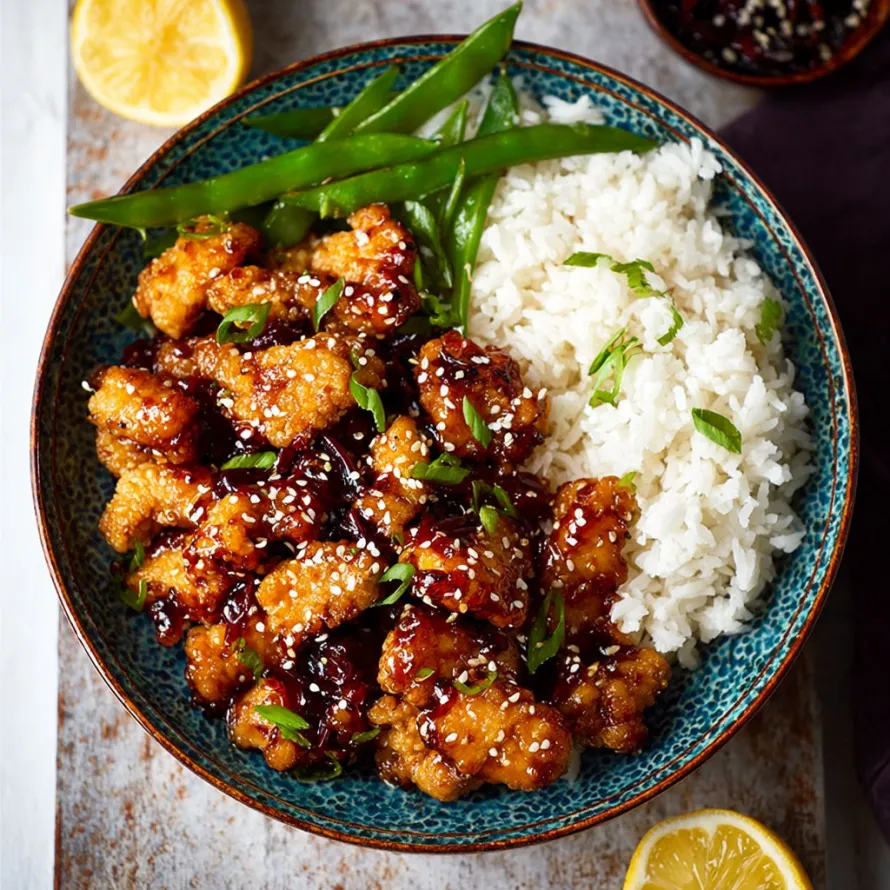
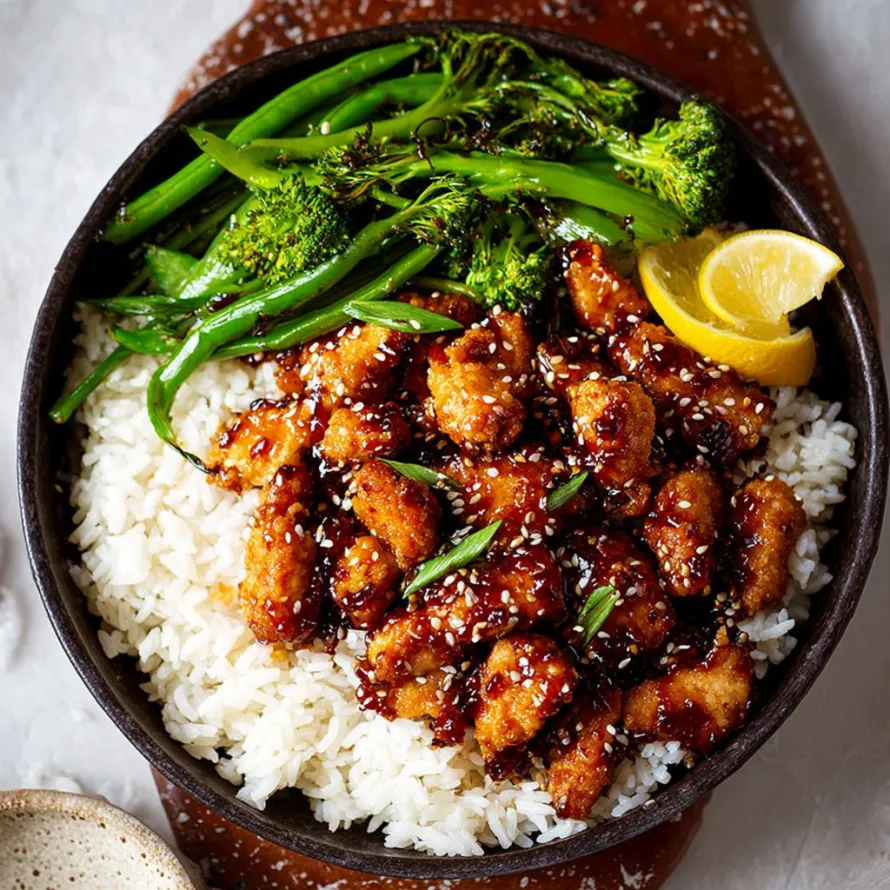
Chicken cubes are coated with a honey, lime and coconut-aminos sauce, then served with cooked rice and green beans. This sauce has no starch thickener. Reduce it gently to a light glaze rather than waiting for the dense texture of a cornstarch-based takeout sauce.
It is a different bottled seasoning with a different salt and sweetness balance. Read the label rather than assuming all brands taste alike. A soy-sauce substitution would change that balance and should be tasted as a separate variation.
Ingredient amounts and preparation
- Set out: 1 lb boneless, skinless chicken breasts, cut into 1 inch cubes
- Set out: 1/2 tablespoon avocado oil
- Set out: 1/4 cup coconut aminos
- Set out: 1 tablespoon honey
- Set out: 1 tablespoon toasted sesame oil
- Set out: 1/2 teaspoon ground ginger; 1 tablespoon garlic cloves, minced
- Set out: 2 tablespoons rice vinegar
- Set out: 1/4 teaspoon black pepper
- Set out: 1 teaspoon lime zest (zest of one lime)
- Set out: 1 tablespoon lime juice (juice of one lime)
- Set out: 1 tablespoon sesame seeds for garnish
- Set out: 2 cups cooked green beans; 1 cup cooked white rice
Cooking sequence and doneness
- Stage 1
- Prepare the measured cooked rice and green beans, and cut chicken into even one-inch cubes.
- Stage 2
- Heat avocado oil in a wide skillet and cook chicken in an uncrowded layer, turning until the thickest pieces reach 165°F.
- Stage 3
- Whisk coconut aminos, honey, toasted sesame oil, ginger, garlic, vinegar, pepper and the measured lime zest and juice.
- Stage 4
- Transfer chicken to a clean plate, lower the heat and pour the sauce into the skillet;
- Stage 5
- simmer briefly while stirring until lightly reduced, stopping before it catches or becomes syrupy.
- Stage 6
- Return the cooked chicken and toss just long enough to coat and heat through.
- Stage 7
- Serve with the cooked rice and beans and scatter the sesame seeds over the finished portions.
Measure the stated teaspoon of zest and tablespoon of juice rather than treating one whole lime as an exact unit. Citrus size and juiciness vary. Zest the washed fruit before cutting and squeeze only enough juice for the measured sauce. Honey can darken quickly against a hot pan. Cooking the chicken first lets you reach the required internal temperature without burning its sugary coating. Return the cooked pieces only after the sauce begins to lightly coat a spoon.
Where does the sesame flavor come from?
The tablespoon of toasted sesame oil belongs in the sauce, while avocado oil is used for the chicken. Sesame seeds finish the dish. Keep those allocations separate rather than trying to sear the entire batch in the sauce mixture.
What does the rice measure mean?
The card specifies one cup of cooked rice and two cups of cooked green beans. Prepare these ahead of the quick skillet stage. Starting with that amount of dry rice would produce a much larger grain portion than the recipe describes. No nutritional calculation or individualized health assessment supports that broad label. The revised title describes ingredients and method. Portion sizes, bottled seasoning and the amount of sauce actually served determine the meal you eat.
Storage and serving later
Refrigerate perishable leftovers promptly in shallow containers at 40°F or below; do not wait for a large hot batch to cool completely on the counter. University of Illinois Extension’s leftover guidance gives a three-to-four-day refrigerated window and 165°F for reheating foods served hot. Keep cold salads and toppings chilled, and follow shorter product-label limits where applicable.
Related recipe choices
For another complete recipe, see Ground Turkey Teriyaki with Broccoli and Carrots or Hot Honey Chicken Bowls with Lime and Vegetables. Each has its own ingredient quantities and cooking sequence; keep those measurements separate when choosing a meal. USDA’s temperature guidance specifies 165°F for poultry, including ground chicken and turkey. Thermometer placement guidance explains checking the thick center rather than relying on surface color.
Common Questions About This Recipe
- Is coconut aminos the same as soy sauce?
It is a different bottled seasoning with a different salt and sweetness balance. Read the label rather than assuming all brands taste alike.
- How much lime is needed?
Measure the stated teaspoon of zest and tablespoon of juice rather than treating one whole lime as an exact unit. Citrus size and juiciness vary.
- Why cook the chicken before reducing the sauce?
Honey can darken quickly against a hot pan. Cooking the chicken first lets you reach the required internal temperature without burning its sugary coating.
- Where does the sesame flavor come from?
The tablespoon of toasted sesame oil belongs in the sauce, while avocado oil is used for the chicken. Sesame seeds finish the dish.
- What does the rice measure mean?
The card specifies one cup of cooked rice and two cups of cooked green beans. Prepare these ahead of the quick skillet stage.
- Is this a verified healthy recipe?
No nutritional calculation or individualized health assessment supports that broad label. The revised title describes ingredients and method.