
 Pin
Pin
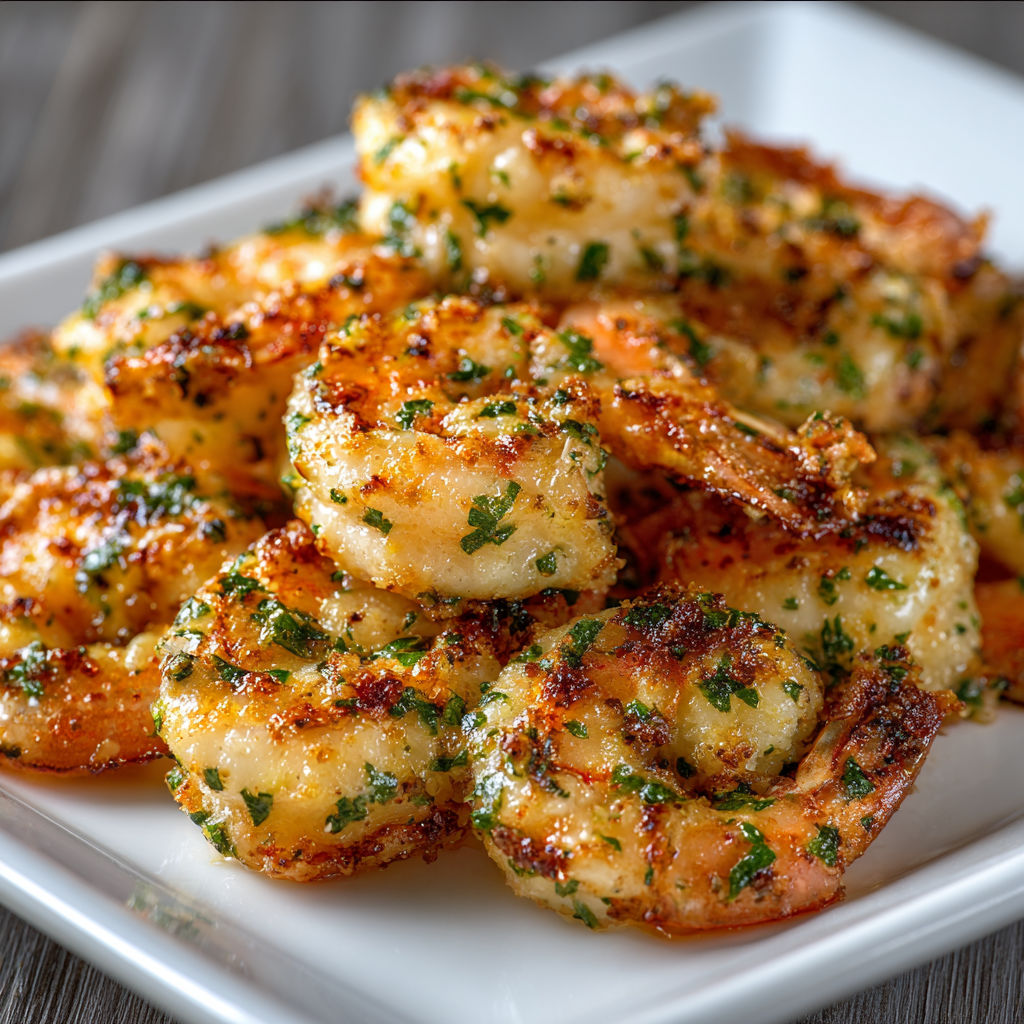
These garlic Parmesan shrimp bites use whole peeled shrimp with a light breadcrumb-and-cheese coating. Toss the shrimp in garlic butter, press on the dry mixture, and bake them in a single layer at 425°F. They are intended to have browned crumbs around tender shrimp, not the thick shell of a deep-fried batter. Cook the seafood through and serve promptly. Leaving the tray in the oven only to chase a darker coating can make the shrimp unnecessarily firm.
Use raw peeled shrimp and note the package count per pound. “Large” varies between suppliers, whereas a count range tells you more about piece size. Thaw according to safe handling guidance, drain and pat dry before weighing the prepared quantity. Precooked shrimp are not an equivalent starting ingredient: another full bake can toughen them before the crumb coating browns. Keep the oven method at 425°F instead of combining instructions from air-fryer or skillet versions.
Ingredients for a light crumb coating
- One pound large raw shrimp, peeled and deveined: Thaw completely and use pieces of similar size. Remove tails for fork-friendly bites.
- One-half cup breadcrumbs: Keep them dry until coating. Panko is a coarser option rather than a guarantee of extra crunch.
- One-third cup grated Parmesan: Fine particles blend through the crumbs; long shreds leave less even coverage.
- Three tablespoons unsalted butter, melted: Cool slightly so it is liquid and warm, not fiercely hot when it touches the shrimp.
- Three garlic cloves, minced: Small, even pieces spread through the butter and are less likely to fall away in large chunks.
- One tablespoon olive oil: Mix into the melted butter. This oil does not make garlic or butter immune to scorching.
- One teaspoon paprika: Ordinary paprika and smoked paprika have different flavors; the name alone does not imply smokiness.
- One-half teaspoon chili flakes, optional: Add only if that amount of heat suits the people being served.
- Salt and black pepper to taste: Begin lightly because the Parmesan and some breadcrumbs already contain salt.
- Two tablespoons chopped parsley: Prepare separately from raw shrimp and scatter over the cooked bites. Lemon wedges are optional at serving.
The oven method, step by step
- Prepare the tray and shrimp
- Heat the oven to 425°F and set out a rimmed baking sheet with a suitable nonstick baking liner. Drain thawed shrimp and pat dry with paper towels. Season lightly with salt, black pepper, and paprika. Use a clean work area for parsley and optional lemon.
- Mix the wet and dry coatings
- Stir minced garlic and olive oil into the melted butter. In a separate shallow bowl, combine breadcrumbs, Parmesan, and optional chili flakes. Keep a dry hand or utensil for the crumbs and another for shrimp so the coating bowl does not become a sticky mass.
- Press on a modest layer
- Coat shrimp with the butter mixture, letting excess drip back into the bowl. Press each shrimp gently into the crumb mixture on both sides. Arrange on the tray with space between pieces. Use the available crumbs evenly rather than heavily coating the first few shrimp and leaving the rest bare.
- Bake and inspect the seafood
- Bake for an estimated 10–12 minutes, turning carefully around halfway if the coating is set enough to lift. Begin checking earlier for smaller shrimp. Look through the crust at thick pieces and cook until opaque and pearly throughout, at least 145°F with a suitable thermometer. Do not leave cooked shrimp baking solely for darker crumbs.
- Transfer and finish
- Move the shrimp to a clean serving platter with a thin spatula. Scatter parsley over them and offer lemon separately. Discard crumbs and butter that contacted raw shrimp rather than using them as a fresh garnish or dipping sauce. Serve soon after baking.
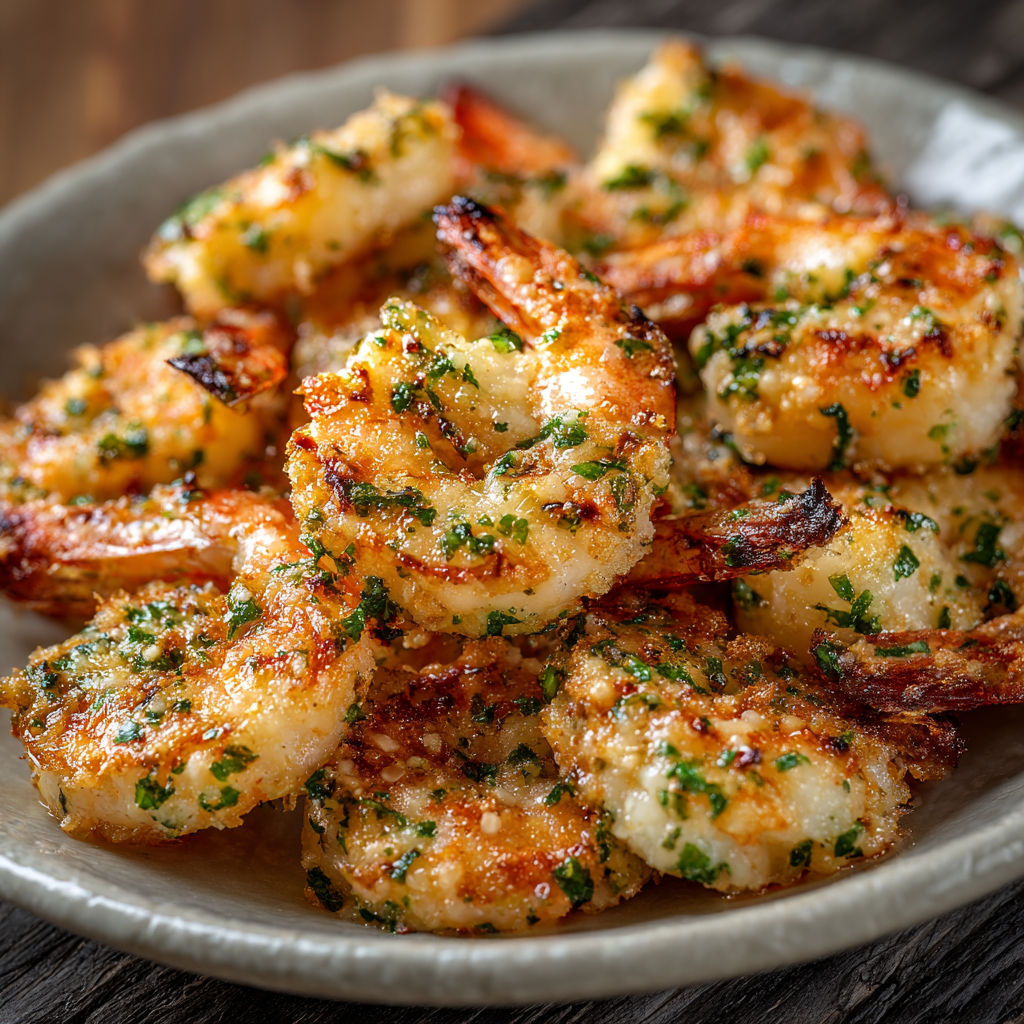
Choose raw shrimp of similar size and remove the tails if the bites will be eaten with a fork or toothpick. For a hand-held appetizer, leaving tails on is possible, but tell diners they are still present. Frozen shrimp work when fully thawed and drained. The FDA seafood guidance describes refrigerator thawing or sealed-bag cold-water thawing followed by prompt cooking. Keep raw shrimp and their utensils away from the parsley, lemon, and serving dishes used for the finished food.
Breadcrumb and cheese variations
Panko produces a coarser surface than fine breadcrumbs, while finely grated Parmesan distributes more evenly than long shreds. Either regular crumbs or panko can be tried, but the same volume will not create an identical coating. Replacing Parmesan with another hard cheese also changes saltiness and melting. A gluten-free crumb alone does not establish that the finished recipe is suitable for every gluten-related need; inspect other products and preparation surfaces. Dairy-free substitutions would also require replacing both cheese and butter.
Preparing ahead and storing leftovers
Plan to bake close to serving. A wet coating held for a long time can become patchy as crumbs absorb moisture, and cooked shrimp lose their just-baked texture during storage. Refrigerate leftovers in shallow containers within two hours, or one hour above 90°F, under USDA leftover guidance. Keep them at 40°F or below and use within three to four days. That is a storage window, not a promise of crispness throughout it. Reheat only the amount needed.
Serving without steaming the coating
Serve the shrimp on a wide platter instead of piling them into a deep bowl, which traps steam between layers. Put lemon wedges and dipping sauce alongside, adding lemon to individual portions so the whole tray does not become damp at once. A small bowl of cowboy caviar salad provides a cool contrast. For a full dinner, pair the shrimp with skillet potatoes and onions and a plain green vegetable.
Allergens, yield, and nutrition estimates
Shrimp is a shellfish allergen, while Parmesan and butter contain milk. Ordinary breadcrumbs usually contain wheat and can include other ingredients, so read their label. This draft supplies no calorie or protein estimate because the retained coating and actual portion weight have not been measured. One pound of shrimp does not reliably mean thirty-two individual pieces: package counts vary. About four appetizer portions is a planning guide; adjust how many shrimp each person receives according to size and the rest of the menu.
Troubleshooting a patchy or damp coating
A light coating is the intended result. Toss in garlic butter, let excess drip back, then press crumbs onto the shrimp without repeatedly wetting and recoating. If crumbs form a damp paste at the bottom of the bowl, do not pack that paste onto the final pieces. Arrange space between shrimp and avoid loading a second layer. Once the flesh is cooked through, remove it even if the crumbs are paler than a promotional photograph; extra browning is not worth overcooking the seafood.
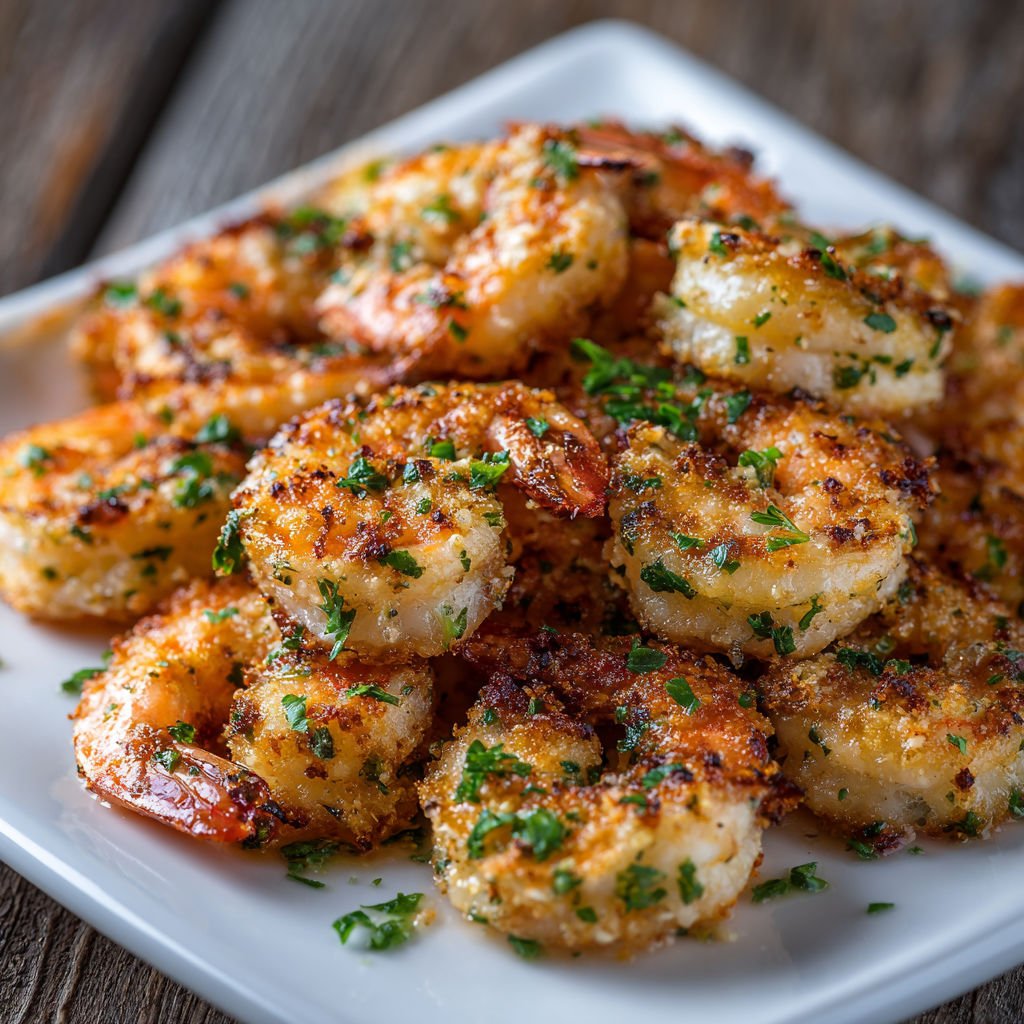
Use a suitable thin probe where possible and inspect a thick piece through the coating. FDA describes cooked shrimp as firm, pearly and opaque in its seafood handling guidance. Keep wet sides such as cowboy caviar separate until eating. For another shrimp meal, shrimp and sausage cabbage bowls uses an unbreaded skillet filling and a different cooking sequence.
Questions About This Recipe
- Can I use cooked frozen shrimp?
Not for this full raw-shrimp baking method. The coating and shrimp would need different heating decisions, so choose raw shrimp for the stated recipe.
- Can the same time be used in an air fryer?
No. Airflow, basket size and distance from the heater differ. This page provides an oven method, not a validated appliance conversion.
- → Can I make them in a skillet or air fryer?
Those appliances change heat exposure and coating behavior. This draft does not provide validated alternate timings or fat quantities; follow a separately developed method for that appliance.
- → Do I need an egg to attach the crumbs?
No egg is specified here. Garlic butter holds a light layer, but it may be more delicate than a flour-and-egg breading. Press gently and handle with a thin spatula.
- → How many pieces does this make?
It depends on the count printed on the shrimp package. Divide the finished pound into roughly four appetizer portions instead of assuming every pound contains thirty-two shrimp.