
 Pin
Pin
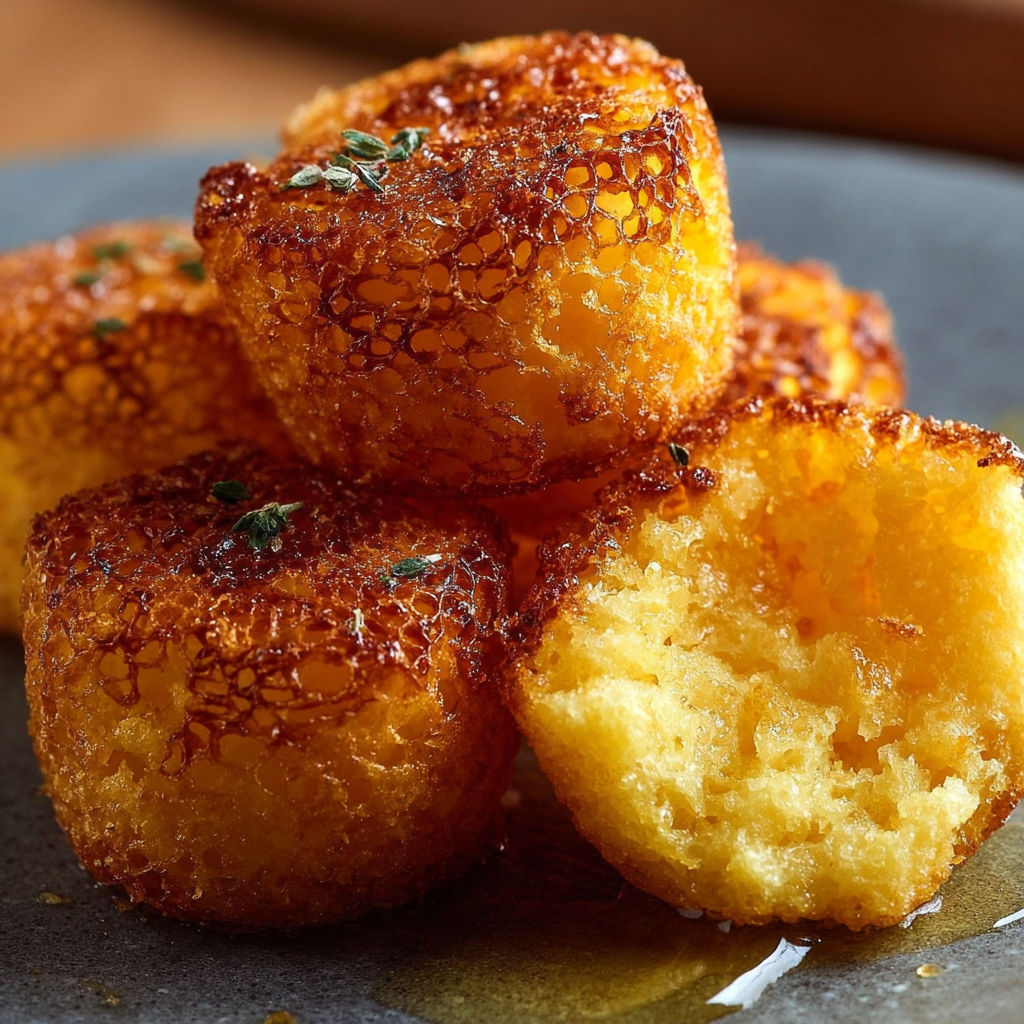
These small corn muffins bake in a mini muffin pan and receive honey butter afterward. Spoon the batter into greased wells and begin checking around nine or ten minutes. Pan size and fill level affect baking time, so check the centers before removing the tray.
The wells support the fluid batter and establish a consistent shape. A free-standing ball on a baking sheet would require a different dough. Grease the wells and fill about three-quarters full, baking additional batches if the batter exceeds the pan’s capacity.
Ingredient amounts and preparation
- Set out: 1 cup all-purpose flour
- Set out: 1 cup yellow cornmeal
- Set out: 1/3 cup granulated sugar
- Set out: 1 tablespoon baking powder
- Set out: 1/2 teaspoon salt
- Set out: 1 cup milk
- Set out: 2 large eggs
- Set out: 1/3 cup melted butter
- Set out: 2 tablespoons honey
- Set out: 1/4 cup melted butter; 2 tablespoons honey
Cooking sequence and doneness
- Stage 1
- Heat the oven to 400°F and grease a mini muffin pan; whisk flour, cornmeal, sugar, baking powder and salt.
- Stage 2
- In another bowl whisk milk, eggs, the one-third cup melted butter and the batter’s two tablespoons honey, letting very hot butter cool first.
- Stage 3
- Fold wet into dry only until no flour pockets remain.
- Stage 4
- Spoon into mini wells about three-quarters full and begin checking after nine or ten minutes; continue until the centers are set and a tester comes out clean, baking remaining batter in another batch rather than shaping it into balls.
- Stage 5
- Melt the separate quarter cup butter and stir in the topping’s two tablespoons honey.
- Stage 6
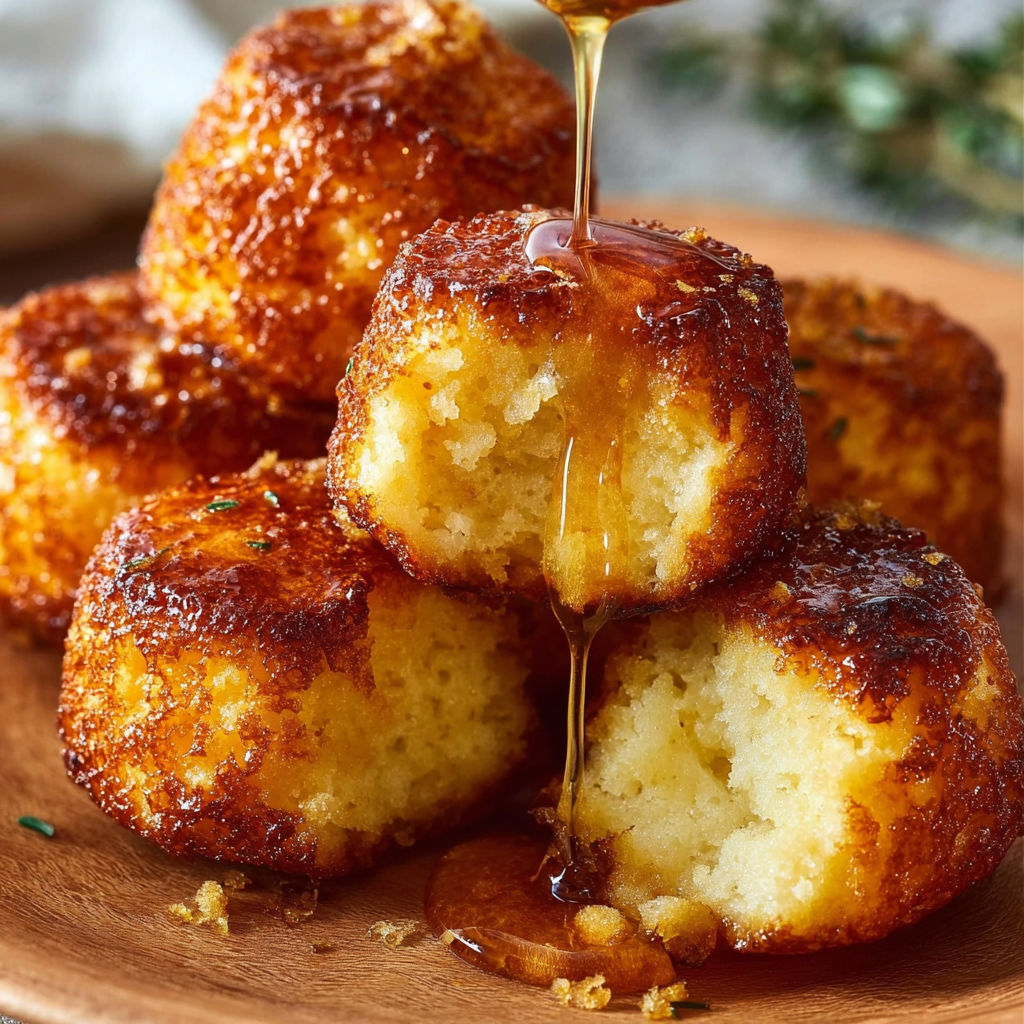
- Let muffins settle briefly, remove from the pan and brush with honey butter while warm.
Start checking around nine or ten minutes, then continue only as needed. Mini wells, pan material and fill level change the result. A set center and a clean tester matter more than assigning the timing of a full-size loaf to miniature portions.
How is the butter divided?
One-third cup melted butter goes into the batter. A separate quarter cup combines with two tablespoons honey for the finish. The batter also has its own two tablespoons honey, so label both bowls before starting. Once the flour and cornmeal are moistened with no dry pockets, extra beating serves little purpose. Small lumps are acceptable. Mix the wet ingredients separately first so you do not need prolonged stirring to distribute the eggs.
Can the glaze rescue dry muffins?
It adds a surface coating but cannot reverse an overbaked center. Check a representative muffin from a middle well rather than judging only a deeply browned edge. Brush while warm and let the butter settle before stacking.
Storage and serving later
Let the baked pieces cool completely before closing a storage container, so trapped steam does not wet the surface. Keep any perishable filling or accompaniment under its own refrigerated-storage instructions.
For another complete recipe, see Beer Cheese Soup with a Vegetable Roux Base or Tuscan-Style White Bean Soup with Bacon, Potato and Kale. Each has its own ingredient quantities and cooking sequence; keep those measurements separate when choosing a meal. King Arthur’s mini corn muffin guidance starts checking miniature muffins around nine minutes. That supports an early check, not a guarantee that this different batter finishes at exactly the same time.
Common Questions About This Recipe
- Why use a mini muffin pan?
The wells support the fluid batter and establish a consistent shape. A free-standing ball on a baking sheet would require a different dough.
- When should checking begin?
Start checking around nine or ten minutes, then continue only as needed. Mini wells, pan material and fill level change the result.
- How is the butter divided?
One-third cup melted butter goes into the batter. A separate quarter cup combines with two tablespoons honey for the finish.
- Why stop mixing early?
Once the flour and cornmeal are moistened with no dry pockets, extra beating serves little purpose. Small lumps are acceptable.
- Can the glaze rescue dry muffins?
It adds a surface coating but cannot reverse an overbaked center. Check a representative muffin from a middle well rather than judging only a deeply browned edge.