
 Pin
Pin
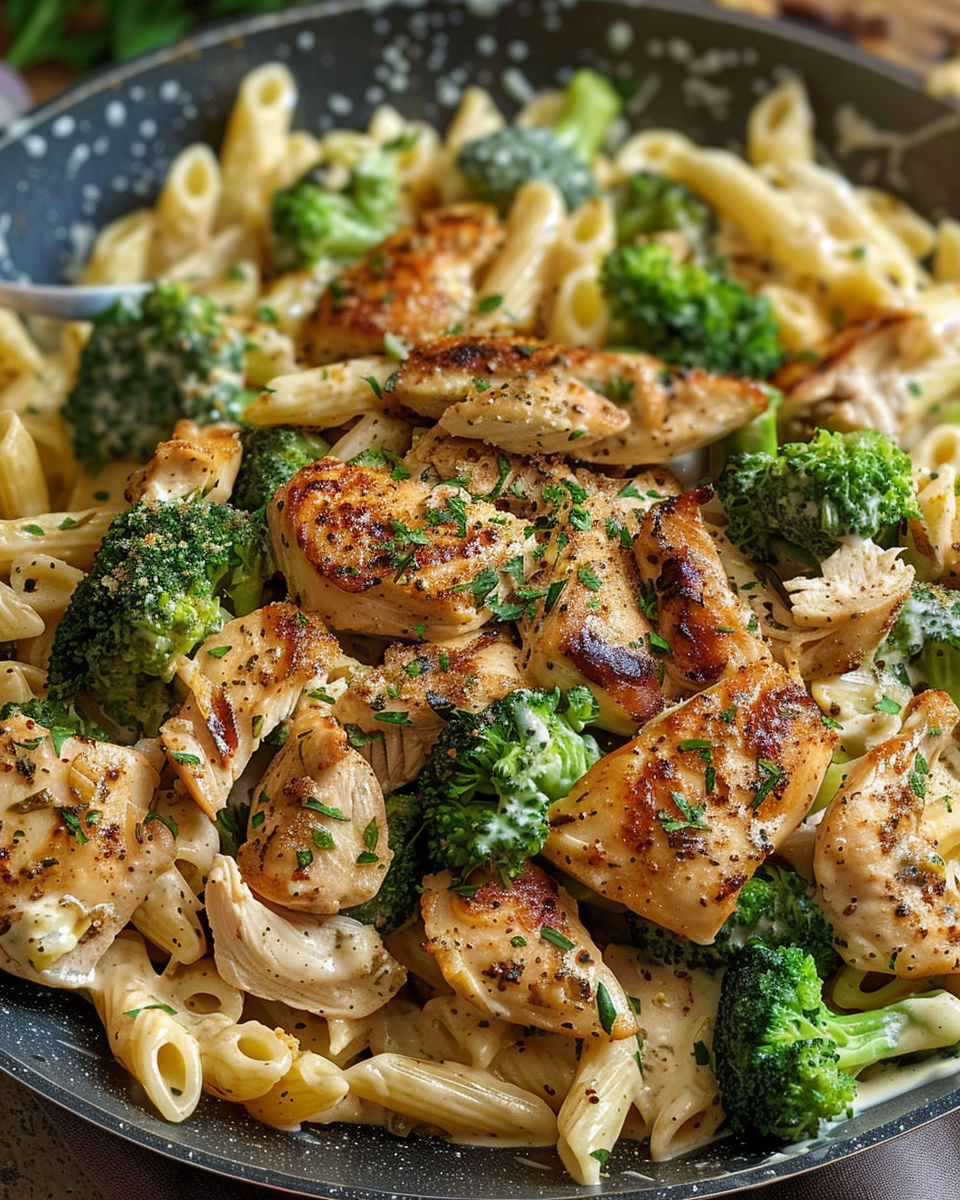
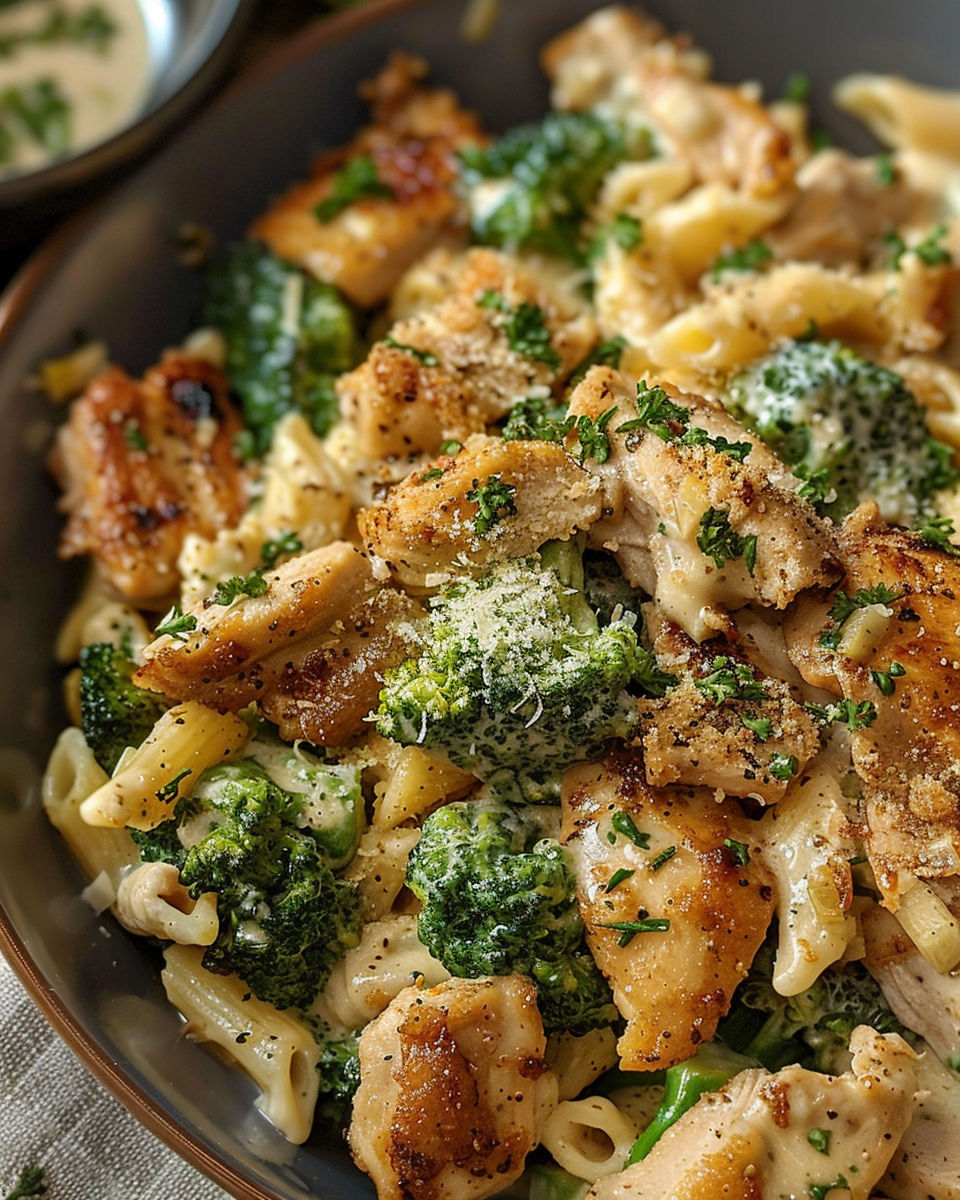
This Alfredo combines thin chicken pieces, broccoli and fettuccine in a cream-and-Parmesan sauce. Cook the broccoli near the end of the pasta boil and keep the cheese sauce below a hard simmer. Cajun seasoning and Parmesan both contribute salt.
Cut even pieces so they cook at a similar rate. Check the thickest pieces reach 165°F before moving them to a clean plate. Surface browning alone does not establish doneness.
Ingredient amounts and preparation
- Set out: 2 boneless, skinless chicken breasts, sliced thin
- Set out: 2 teaspoons Cajun seasoning
- Set out: 2 tablespoons olive oil
- Set out: 8 ounces fettuccine pasta
- Set out: 2 cups broccoli florets
- Set out: 2 tablespoons unsalted butter
- Set out: 3 cloves garlic, minced
- Set out: 1 1/2 cups heavy cream
- Set out: 1 cup grated Parmesan cheese
- Set out: Salt and freshly ground black pepper, to taste
Cooking sequence and doneness
- Stage 1
- Bring a pot of water to a boil. Coat evenly sliced chicken with Cajun seasoning.
- Stage 2
- Heat olive oil in a large skillet and cook the chicken in an uncrowded layer. Turn as needed and confirm 165°F in the thickest pieces.
- Stage 3
- Transfer to a clean plate. Cook fettuccine according to its package and add small broccoli florets near the final two minutes. Reserve some cooking water and drain once pasta and broccoli are ready.
- Stage 4
- Melt butter in the skillet and briefly cook garlic. Add cream and warm gently, then reduce heat.
- Stage 5
- Stir in Parmesan gradually without boiling. Toss in pasta, broccoli and cooked chicken. Loosen with reserved water if needed, taste for salt and pepper and serve.
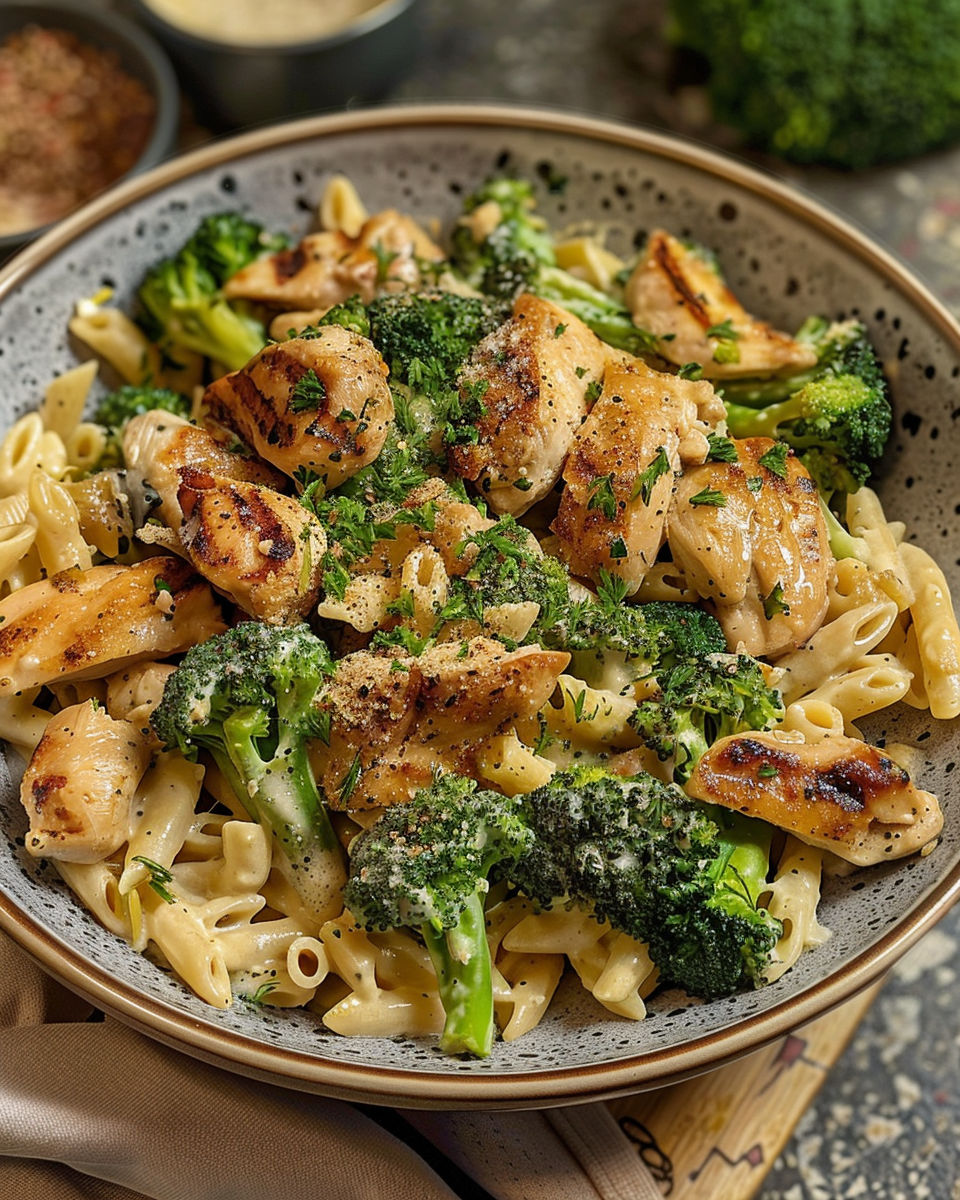
Add small florets near the last two minutes of the pasta cooking time. Check for the tenderness you want before draining; larger florets may need longer. Reserve some cooking water first.
How is Parmesan incorporated?
Reduce heat before gradually stirring it into warm cream. Finely grated cheese disperses more readily than large shreds. Avoid boiling the finished sauce, which can make the texture oily or grainy.
How much salt should be added?
Taste the finished sauce after the chicken is safely cooked. Seasoning blends vary, and the full cup of Parmesan already supplies salt. Do not automatically season generously before tasting.
How can pasta be loosened?
Add reserved cooking water a tablespoon or two at a time during tossing. Serve promptly because fettuccine absorbs liquid as it stands. A thick cooled sauce does not necessarily need more cream.
Storage and serving later
Refrigerate perishable leftovers promptly in shallow containers at 40°F or below; do not wait for a large hot batch to cool completely on the counter. University of Illinois Extension’s leftover guidance gives a three-to-four-day refrigerated window and 165°F for reheating foods served hot. Keep cold salads and toppings chilled, and follow shorter product-label limits where applicable.
Related recipe choices
For another complete recipe, see Tuscan Chicken Pasta with Cottage Cheese or Garlic Butter Chicken Bowties with Cream and Mozzarella. Each has its own ingredient quantities and cooking sequence; keep those measurements separate when choosing a meal.
USDA’s temperature guidance specifies 165°F for poultry, including ground chicken and turkey. Thermometer placement guidance explains checking the thick center rather than relying on surface color.
Common Questions About This Recipe
- How thin is the chicken?
Cut even pieces so they cook at a similar rate. Check the thickest pieces reach 165°F before moving them to a clean plate.
- When is broccoli added?
Add small florets near the last two minutes of the pasta cooking time. Check for the tenderness you want before draining; larger florets may need longer.
- How is Parmesan incorporated?
Reduce heat before gradually stirring it into warm cream. Finely grated cheese disperses more readily than large shreds.
- How much salt should be added?
Taste the finished sauce after the chicken is safely cooked. Seasoning blends vary, and the full cup of Parmesan already supplies salt.
- How can pasta be loosened?
Add reserved cooking water a tablespoon or two at a time during tossing. Serve promptly because fettuccine absorbs liquid as it stands.
- Has this recipe been kitchen-tested?
No. This is a research-based editorial revision.