
 Pin
Pin
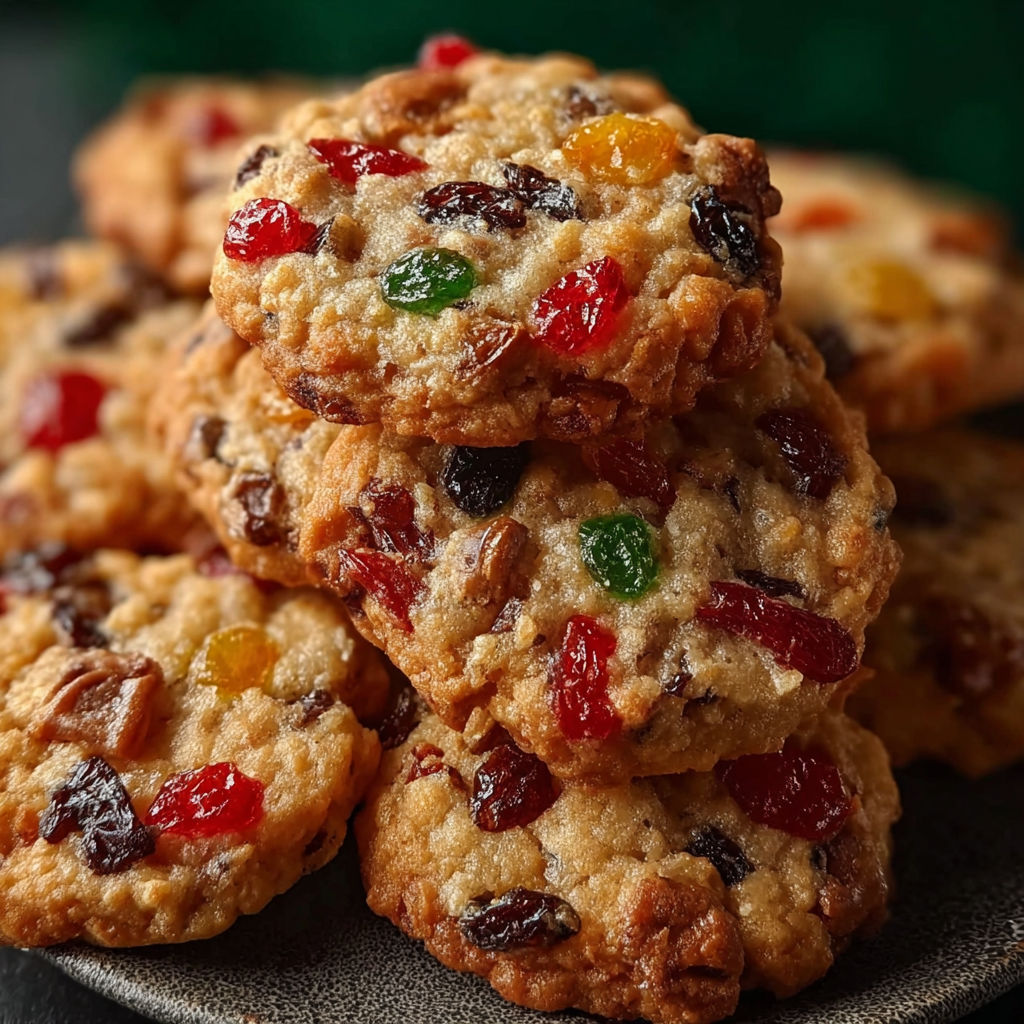
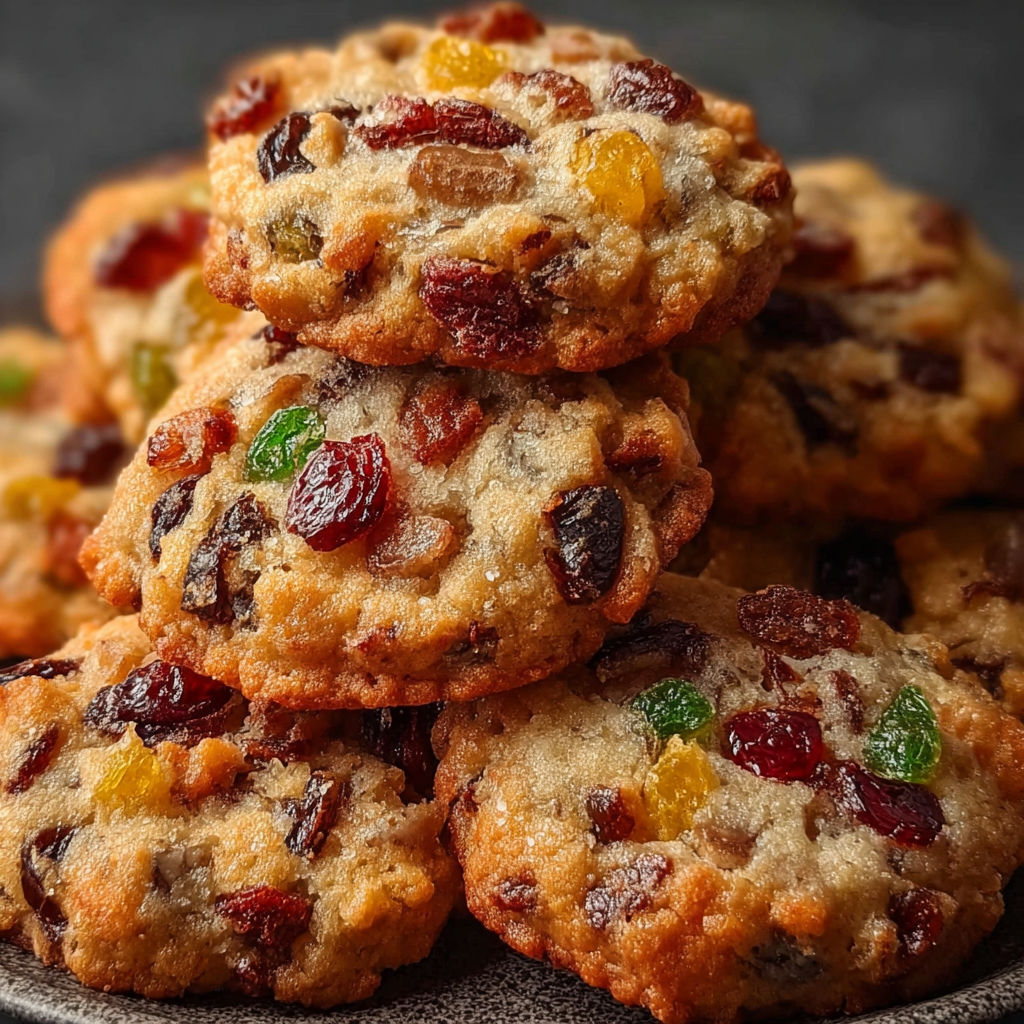
Candied cherries, pineapple and pecans are folded into a butter-and-buttermilk cookie dough. Chop the additions small enough to fit comfortably in each portion. These cookies use candied fruit rather than juicy fresh fruit, and their dense texture does not require an invented leavening ingredient.
Not directly. Candied fruit has a different moisture and sugar content from fresh pieces. Use the listed candied products and separate sticky clumps before folding them into the dough.
Ingredient amounts and preparation
- Set out: 1 cup crushed pecans
- Set out: 1 cup candied cherries, roughly chopped
- Set out: 1 cup candied pineapple, roughly chopped
- Set out: 1/2 cup unsalted butter, room temperature
- Set out: 1 large egg
- Set out: 1/4 cup buttermilk
- Set out: 1 cup granulated sugar
- Set out: 1 3/4 cups all-purpose flour
- Set out: 1/2 teaspoon salt
Cooking sequence and doneness
- Stage 1
- Heat the oven to 350°F and line baking trays. Chop candied cherries, pineapple and pecans into small pieces.
- Stage 2
- Cream softened butter with sugar until evenly lighter. Beat in egg and buttermilk, scraping the bowl.
- Stage 3
- Mix flour and salt separately and fold into the wet mixture just until combined. Fold in the fruit and nuts until distributed.
- Stage 4
- Drop even tablespoon-size portions onto cool lined sheets with about two inches between them. Bake about ten to twelve minutes, continuing as needed for lightly golden edges and set centers.
- Stage 5
- Leave on the tray briefly until firm enough to lift. Cool completely before storing in a covered container.
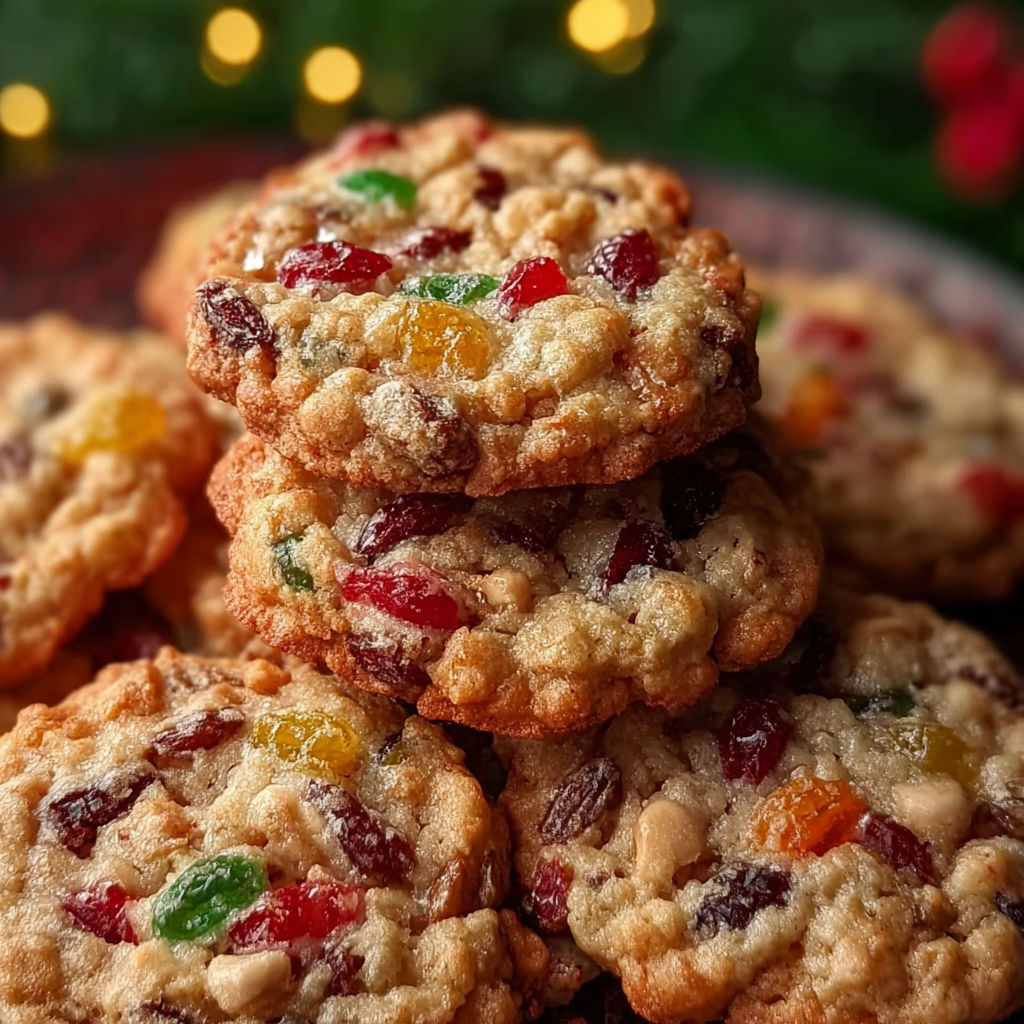
The supplied formula relies on creamed butter and its egg rather than a separate chemical leavener. Do not add baking powder or soda by guesswork. Expect a compact fruit-filled cookie rather than promising a tall cake-like rise.
How finely should the nuts be chopped?
Use small pecan pieces, not a paste or large intact halves. Large pieces make small cookies harder to portion and can fall out at the edges. Mix the nuts with the prepared fruit before folding if that helps distribute them. Use even tablespoon-size portions with space between them. Begin checking around ten minutes for lightly golden edges and set centers, then continue if needed. A sticky piece of candied fruit is different from raw dough on a tester.
When can they be packed?
Let the cookies cool completely before closing the storage container. Warm fruit can remain tacky and transfer moisture between layers. Use parchment between layers if the candied pieces stick to neighboring cookies.
Storage and serving later
Let the baked pieces cool completely before closing a storage container, so trapped steam does not wet the surface. Keep any perishable filling or accompaniment under its own refrigerated-storage instructions.
For another complete recipe, see Gingerbread Crinkle Cookies with Molasses or Oatmeal Chocolate Chip Bars with Cinnamon. Each has its own ingredient quantities and cooking sequence; keep those measurements separate when choosing a meal. King Arthur’s creaming guide explains how butter condition affects mixing. That guide concerns recipes using softened butter; where this recipe calls for melted butter, follow its separate mixing sequence. The guide does not establish testing of this formula.
Common Questions About This Recipe
- Can fresh cherries or pineapple replace candied fruit?
Not directly. Candied fruit has a different moisture and sugar content from fresh pieces.
- Why is no baking powder listed?
The supplied formula relies on creamed butter and its egg rather than a separate chemical leavener. Do not add baking powder or soda by guesswork.
- How finely should the nuts be chopped?
Use small pecan pieces, not a paste or large intact halves. Large pieces make small cookies harder to portion and can fall out at the edges.
- How is the first tray checked?
Use even tablespoon-size portions with space between them. Begin checking around ten minutes for lightly golden edges and set centers, then continue if needed.
- When can they be packed?
Let the cookies cool completely before closing the storage container. Warm fruit can remain tacky and transfer moisture between layers.