
 Pin
Pin
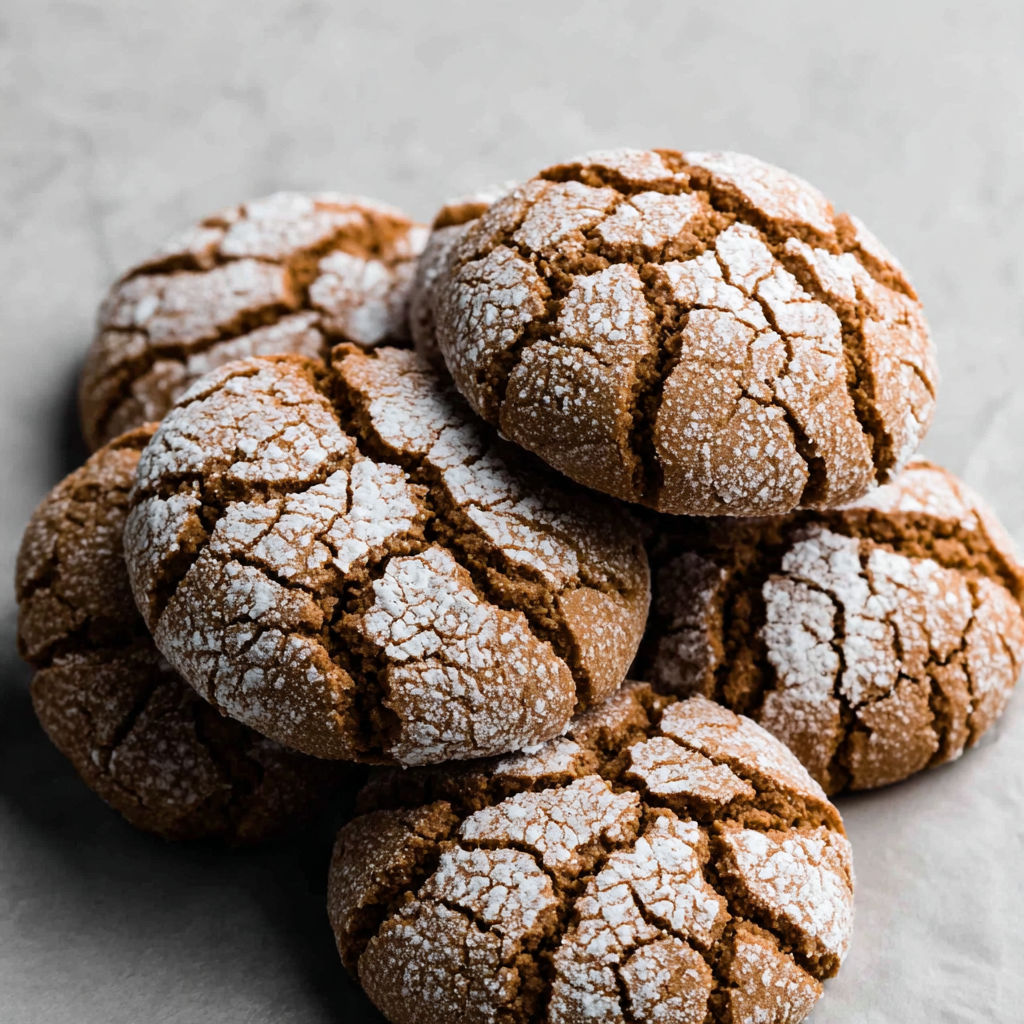
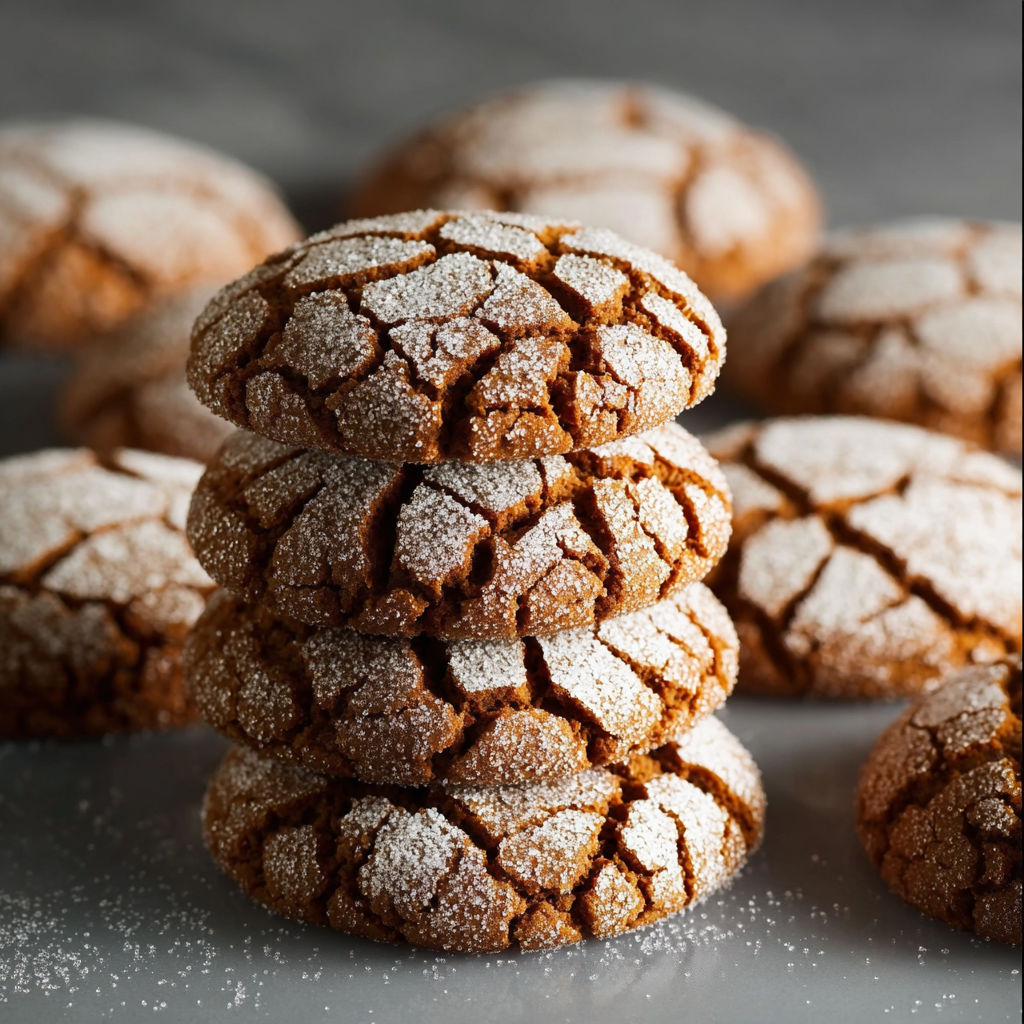
These molasses cookies use brown sugar, warm spices and a confectioners’ sugar coating. Chill the mixed dough before rolling, then bake until the edges hold their shape while the centers remain soft. Letting the cookies settle on the tray helps them lift without breaking.
Butter softened during mixing and sticky molasses make freshly mixed dough difficult to portion. The planned thirty-minute chill is a starting point: continue chilling if a spoonful will not hold a ball. Coat each portion shortly before baking rather than leaving sugared dough sitting warm.
Ingredient amounts and preparation
- Set out: 2 1/4 cups plain flour
- Set out: 2 teaspoons ginger powder
- Set out: 1 teaspoon ground cinnamon
- Set out: 1 teaspoon baking soda
- Set out: 1/4 teaspoon salt
- Set out: 1/2 teaspoon ground cloves
- Set out: 1/2 teaspoon ground nutmeg
- Set out: 3/4 cup softened unsalted butter
- Set out: 1 cup packed brown sugar
- Set out: 1 large egg
- Set out: 1/4 cup molasses
- Set out: 2 teaspoons vanilla extract
- Set out: 1/2 cup confectioners' sugar
Cooking sequence and doneness
- Stage 1
- Heat the oven to 350°F and line baking sheets.
- Stage 2
- Whisk flour, baking soda, salt and all five ground spices until evenly mixed.
- Stage 3
- Beat softened butter with brown sugar until lightened, scraping the bowl.
- Stage 4
- Beat in the egg, molasses and vanilla. Add the dry ingredients and mix only until no flour pockets remain.
- Stage 5
- Cover and refrigerate at least thirty minutes, longer if the dough is too soft to shape.
- Stage 6
- Portion roughly tablespoon-size balls and coat them in confectioners’ sugar.
- Stage 7
- Arrange two inches apart and bake about 10–12 minutes, checking for set edges and soft centers rather than a hard surface. Leave on the tray about five minutes, then transfer to a rack and cool completely before packing.
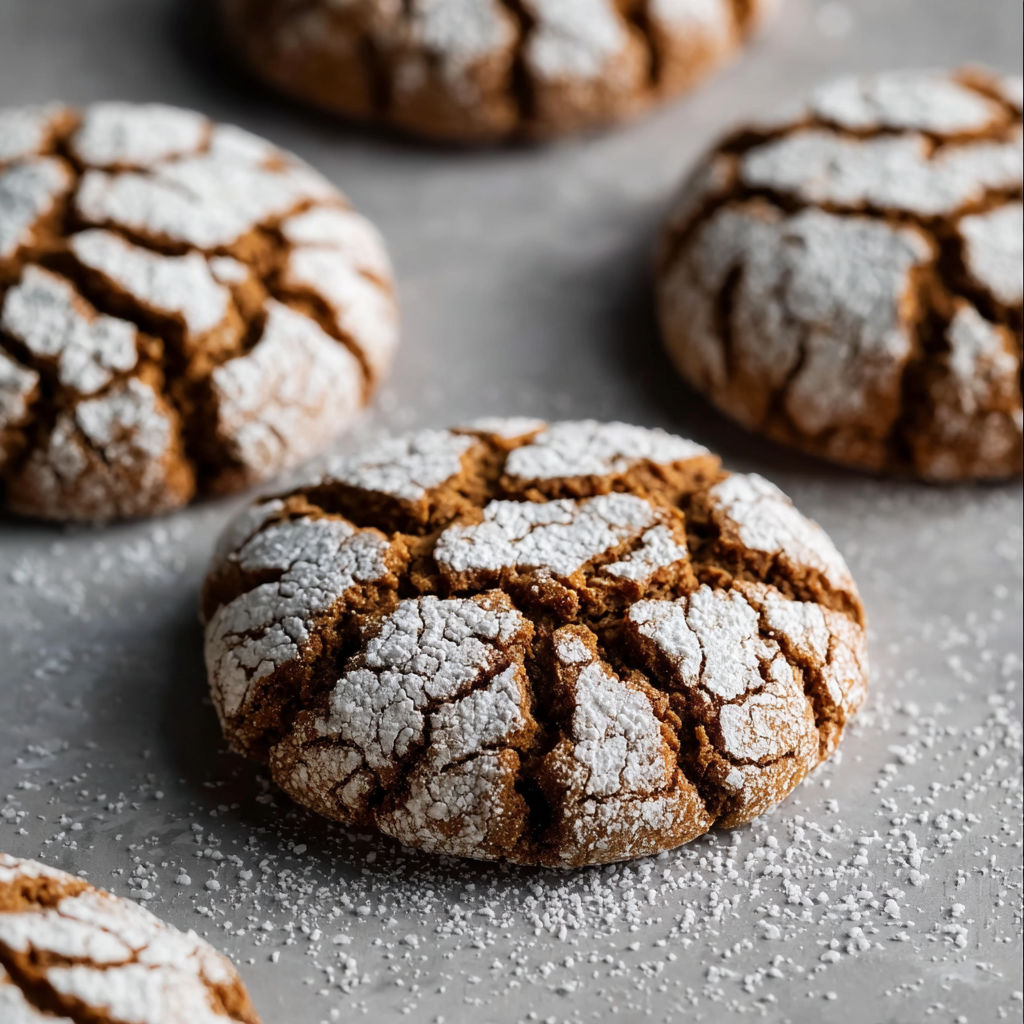
The cup of brown sugar is beaten with butter inside the dough. The half cup of confectioners’ sugar is for the outside. Switching them changes both the dough and the visible coating; keep them in separately labeled bowls while measuring.
How do I avoid adding too much flour?
Spoon flour into the measuring cup and level it instead of compressing it. If the dough seems sticky, chill first rather than kneading in extra flour. Extra flour changes the ratio to butter and molasses and can make the baked centers dry. Start looking around ten minutes for set edges and a surface that no longer looks wet. The center should still yield rather than bake rigid. Let the cookies remain on the tray about five minutes, then move carefully to a rack to finish cooling.
Can the coating disappear?
Some sugar can absorb moisture from warm or sticky dough. Roll chilled portions in an even visible coat and bake promptly. This recipe has not been trialed with a separate granulated-sugar barrier, so that extra coating is not presented as a guaranteed fix.
Storage and serving later
Let the baked pieces cool completely before closing a storage container, so trapped steam does not wet the surface. Keep any perishable filling or accompaniment under its own refrigerated-storage instructions.
For another complete recipe, see Gingerbread Thumbprint Cookies Filled with Cranberry Jam or Soft Lemon Drop Cookies with Lemon Extract. Each has its own ingredient quantities and cooking sequence; keep those measurements separate when choosing a meal. King Arthur’s creaming guide explains how butter condition affects mixing. Use softened, still-solid butter for this dough and scrape the bowl so the mixture is even; the cited guide supports technique, not testing of this recipe.
Common Questions About This Recipe
- Why chill the dough?
Butter softened during mixing and sticky molasses make freshly mixed dough difficult to portion. The planned thirty-minute chill is a starting point: continue chilling if a spoonful will not hold a ball.
- Which sugar goes where?
The cup of brown sugar is beaten with butter inside the dough. The half cup of confectioners’ sugar is for the outside.
- How do I avoid adding too much flour?
Spoon flour into the measuring cup and level it instead of compressing it. If the dough seems sticky, chill first rather than kneading in extra flour.
- When should the cookies leave the oven?
Start looking around ten minutes for set edges and a surface that no longer looks wet. The center should still yield rather than bake rigid.
- Can the coating disappear?
Some sugar can absorb moisture from warm or sticky dough. Roll chilled portions in an even visible coat and bake promptly.