
 Pin
Pin
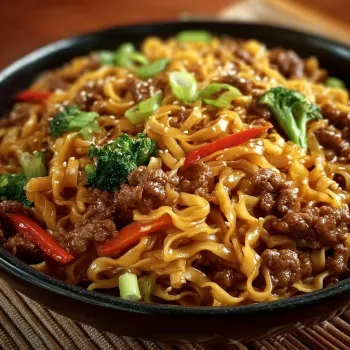
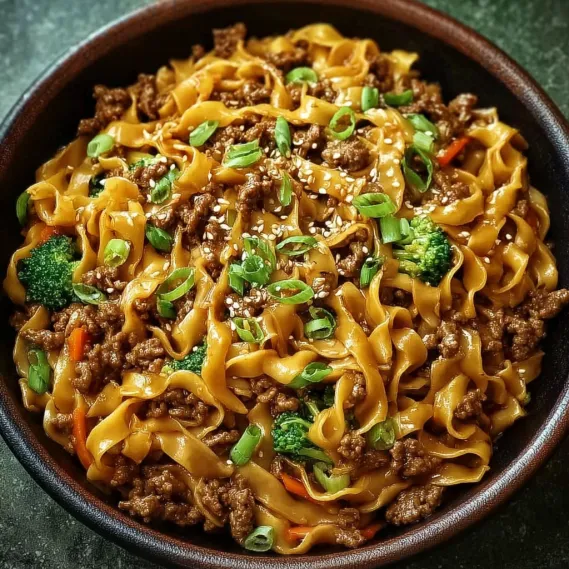
Browned ground beef and separately cooked noodles are coated in a sweet soy-and-ginger sauce. Use the noodle package for its boiling time and add the optional starch only after mixing it with cold water. This makes the sauce easier to control than adding dry starch directly to the skillet.
Use 225 grams of dry noodles. Spaghetti, ramen and lo mein have different cooking times, so boil them separately to the package’s tender but firm stage. If using instant ramen, leave its seasoning sachets out of this already seasoned sauce.
Ingredient amounts and preparation
- Set out: 450 g ground beef
- Set out: 225 g noodles (spaghetti, ramen, or lo mein)
- Set out: 1 tbsp vegetable oil; 3 cloves garlic, minced
- Set out: 1 tsp fresh grated ginger or 1/2 tsp ground ginger
- Set out: 1/2 cup low-sodium soy sauce
- Set out: 1/3 cup packed brown sugar; 1/4 cup beef broth or water
- Set out: 1 tbsp cornstarch (optional, for thickening)
- Set out: 1/2 tsp crushed red pepper flakes (optional)
- Set out: Chopped green onions (for garnish); Sesame seeds (optional)
Cooking sequence and doneness
- Stage 1
- Cook the dry noodles according to their package until tender but firm.
- Stage 2
- Drain and keep ready without letting them cool into a compact mass. Mix low-sodium soy sauce, brown sugar and broth or water in a bowl.
- Stage 3
- If using cornstarch, mix it separately with two tablespoons of cold water. Heat vegetable oil in a large skillet and brown the ground beef, breaking it into small pieces.
- Stage 4
- Continue until the beef reaches 160°F and drain excess fat.
- Stage 5
- Add garlic and ginger and stir briefly until aromatic. Pour in the soy mixture and optional pepper flakes, then simmer gently.
- Stage 6
- Add the starch slurry gradually if needed and cook until the sauce thickens. Toss in the noodles, loosening with a little hot water if necessary, and finish with green onions and optional sesame seeds.
One-half cup provides much of the sauce volume, alongside only a quarter cup of broth or water. A regular soy sauce can make the dish considerably saltier. Taste the finished sauce before adding any extra seasoning. The tablespoon of cornstarch is optional. Mix it with two tablespoons of cold water before stirring it into simmering sauce. Add gradually and stop once the sauce coats the noodles; starch thickens as it heats and can make this small sauce quantity very tight.
When does the garlic go in?
Brown and safely cook the beef first, then drain excess fat and add garlic and ginger briefly. This reduces the chance of finely minced garlic burning during a longer meat-browning stage. Lower the heat before adding the sugary sauce.
How can clumped noodles be loosened?
Toss the warm drained noodles into the sauce promptly. If the coating becomes sticky rather than flowing between strands, add a small splash of hot water and toss again. Do not add more soy sauce just to increase the liquid. Refrigerate perishable leftovers promptly in shallow containers at 40°F or below; do not wait for a large hot batch to cool completely on the counter. University of Illinois Extension’s leftover guidance gives a three-to-four-day refrigerated window and 165°F for reheating foods served hot. Keep cold salads and toppings chilled, and follow shorter product-label limits where applicable.
Related recipe choices
For another complete recipe, see Gochujang Beef Meatball Bowls with Rice and Spicy Mayo or French Onion Beef and Noodles with Slowly Braised Beef. Each has its own ingredient quantities and cooking sequence; keep those measurements separate when choosing a meal. USDA’s temperature guidance specifies 160°F for ground beef. Thermometer placement guidance explains checking the thick center rather than relying on surface color.
Common Questions About This Recipe
- Which noodle quantity is measured?
Use 225 grams of dry noodles. Spaghetti, ramen and lo mein have different cooking times, so boil them separately to the package’s tender but firm stage.
- Why use low-sodium soy sauce?
One-half cup provides much of the sauce volume, alongside only a quarter cup of broth or water. A regular soy sauce can make the dish considerably saltier.
- How is the starch used?
The tablespoon of cornstarch is optional. Mix it with two tablespoons of cold water before stirring it into simmering sauce.
- When does the garlic go in?
Brown and safely cook the beef first, then drain excess fat and add garlic and ginger briefly. This reduces the chance of finely minced garlic burning during a longer meat-browning stage.
- How can clumped noodles be loosened?
Toss the warm drained noodles into the sauce promptly. If the coating becomes sticky rather than flowing between strands, add a small splash of hot water and toss again.