
 Pin
Pin
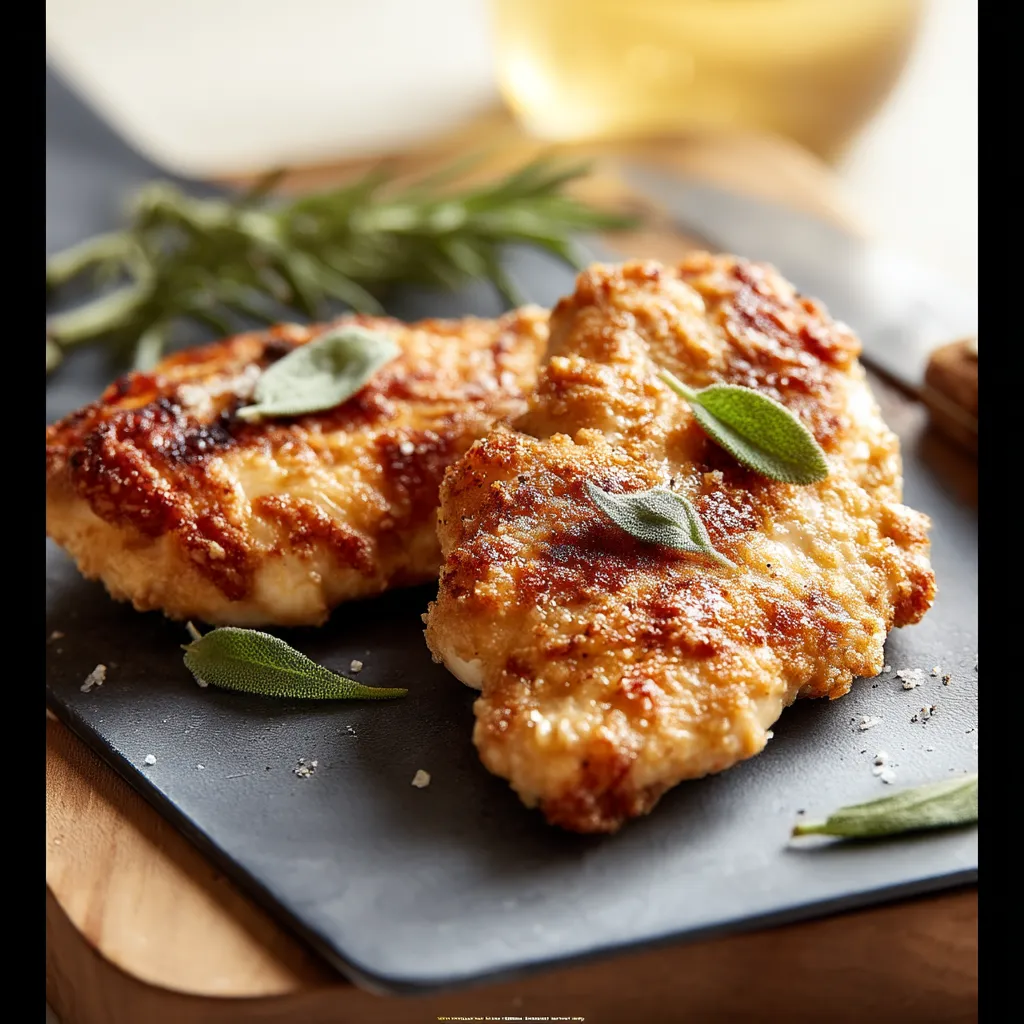
A mayonnaise-and-Parmesan coating seasons these oven-baked chicken breasts without a breadcrumb layer. Spread it evenly over the top and check each breast individually as it cooks. Breast thickness has more effect on the finish time than the number of pieces in the dish.
Mayonnaise holds the grated cheese and dry seasonings against the chicken. Spread an even layer rather than leaving a mound in the middle. The coating can brown while the meat underneath is still underdone, so its color is not the safety check.
Ingredient amounts and preparation
- Set out: 4 boneless, skinless chicken breasts
- Set out: 1/2 cup mayonnaise or Greek yogurt
- Set out: 1/2 cup grated Parmesan cheese
- Set out: 1 tsp garlic powder
- Set out: 1 tsp onion powder
- Set out: 1 tsp paprika
- Set out: 1/2 tsp salt
- Set out: 1/2 tsp black pepper
- Set out: Fresh parsley, chopped
Cooking sequence and doneness
- Stage 1
- Heat the oven to 375°F and lightly grease a baking dish.
- Stage 2
- Arrange chicken breasts in one layer with space between pieces.
- Stage 3
- Mix mayonnaise, finely grated Parmesan, garlic powder, onion powder, paprika, pepper and salt to taste in a separate bowl. Spread the coating evenly over the upper surface of each breast.
- Stage 4
- Bake, starting to check after twenty-five minutes.
- Stage 5
- Insert a thermometer into the thickest part of each piece and continue until every breast reaches 165°F.
- Stage 6
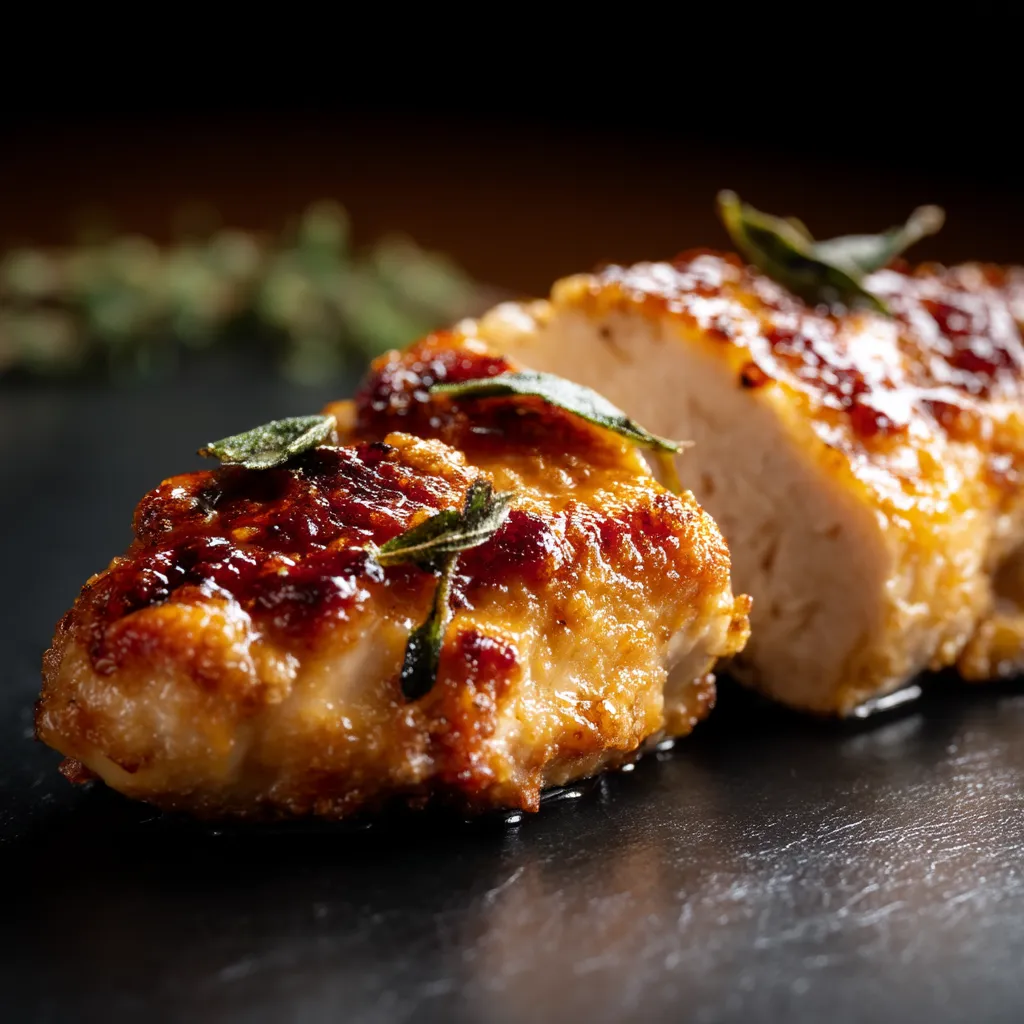
- Loosely shield the topping with foil if it browns before the meat is ready. Rest briefly and garnish with chopped parsley before serving.
The listed option gives a tangier topping and can release more liquid. Use plain, thick Greek yogurt if choosing it, and expect a different surface from mayonnaise. Do not promise identical browning or texture from the two ingredients.
How can uneven breasts be handled?
Arrange similarly thick pieces together with space between them. If one breast is much thicker, gently even its thickness before coating or allow it more time. Remove pieces individually as they reach 165°F rather than keeping thin ones in the oven until the thickest is done. Use finely grated Parmesan so it distributes through the coating. Coarse shreds make a less even layer. Because cheese and mayonnaise can be salty, mix and taste the coating before it touches raw chicken, then adjust the listed salt to suit the products.
What if the top browns early?
Loosely cover with foil while the center finishes. Do not rely on an extended broil to cook the inside; the cheese can burn rapidly. Let the cooked chicken rest briefly, then garnish with parsley and spoon any dish juices alongside.
Storage and serving later
Refrigerate perishable leftovers promptly in shallow containers at 40°F or below; do not wait for a large hot batch to cool completely on the counter. University of Illinois Extension’s leftover guidance gives a three-to-four-day refrigerated window and 165°F for reheating foods served hot. Keep cold salads and toppings chilled, and follow shorter product-label limits where applicable.
Related recipe choices
For another complete recipe, see Bacon-Wrapped Chicken Strips with Garlic Parmesan Sauce or Creamy Angel Chicken Pasta with Baked Chicken Breasts. Each has its own ingredient quantities and cooking sequence; keep those measurements separate when choosing a meal. USDA’s temperature guidance specifies 165°F for poultry, including ground chicken and turkey. Thermometer placement guidance explains checking the thick center rather than relying on surface color.
Common Questions About This Recipe
- What does the coating do?
Mayonnaise holds the grated cheese and dry seasonings against the chicken. Spread an even layer rather than leaving a mound in the middle.
- Can Greek yogurt replace mayonnaise?
The listed option gives a tangier topping and can release more liquid. Use plain, thick Greek yogurt if choosing it, and expect a different surface from mayonnaise.
- How can uneven breasts be handled?
Arrange similarly thick pieces together with space between them. If one breast is much thicker, gently even its thickness before coating or allow it more time.
- Which Parmesan works here?
Use finely grated Parmesan so it distributes through the coating. Coarse shreds make a less even layer.
- What if the top browns early?
Loosely cover with foil while the center finishes. Do not rely on an extended broil to cook the inside; the cheese can burn rapidly.