
 Pin
Pin
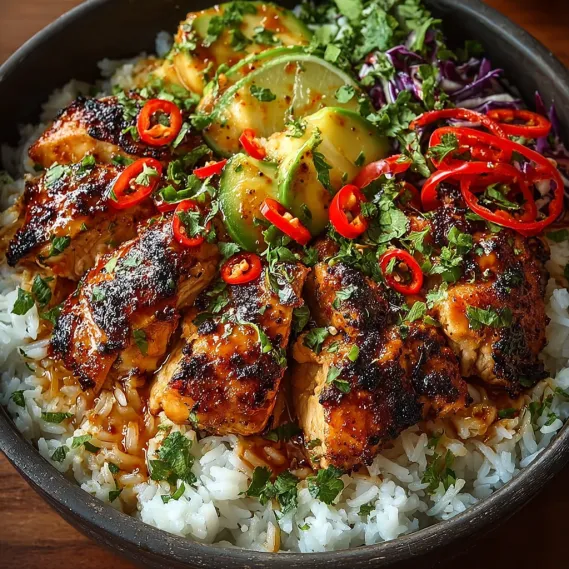
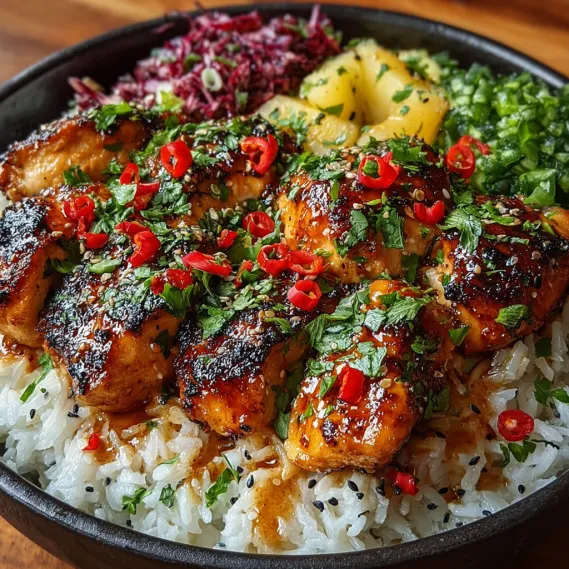
Maple syrup, sriracha and vinegar form a short glaze for bite-size chicken served over coconut jasmine rice. Keep the glaze separate while the chicken starts cooking, then add it near the end. That sequence gives more control over browning and avoids reserving sauce that has touched raw chicken.
The rice uses one cup of water plus one-half cup of coconut milk for one cup of jasmine rice. Stir the coconut milk before measuring so its cream and liquid are combined. Use a small saucepan with a close-fitting lid and a low simmer rather than an uncovered boil.
Ingredient amounts and preparation
- Set out: 1 lb chicken breast or thighs, cut into bite-sized pieces
- Set out: 3 tbsp maple syrup; 2 tbsp sriracha
- Set out: 1 tbsp soy sauce; 1 tbsp apple cider vinegar
- Set out: ½ tsp garlic, minced; 1 tsp ginger, minced
- Set out: Salt and pepper to taste; 1 tbsp olive oil
- Set out: 1 cup jasmine rice; ½ cup coconut milk
- Set out: 1 cup water; Pinch of salt
- Set out: Fresh cilantro, chopped; Lime wedges
- Set out: Toasted coconut flakes; Sliced green onions
Cooking sequence and doneness
- Stage 1
- Rinse the jasmine rice and drain well. Combine it in a saucepan with the measured coconut milk, water and pinch of salt.
- Stage 2
- Bring to a simmer, cover and cook on low about fifteen minutes, checking tenderness and adding a little hot water only if needed. Remove from heat and rest covered five minutes before fluffing.
- Stage 3
- In a clean bowl mix maple syrup, sriracha, soy sauce, vinegar, garlic and ginger; keep it separate from raw chicken. Pat evenly cut chicken pieces dry and season lightly.
- Stage 4
- Heat the oil in a skillet and cook the chicken in a single layer, turning to brown. Lower the heat and add the glaze near the end of cooking.
- Stage 5
- Simmer gently until thick pieces reach 165°F and the sauce coats them, loosening with a splash of water if it catches. Serve over the rice with the listed finishing toppings.
A maple-heavy coating can darken before chicken cooks through. Sear the seasoned pieces first, then lower the heat and add the mixed sauce. Keep the sauce bowl and its spoon away from raw chicken so no uncooked marinade is saved as a table sauce. Their cooking times vary with size and thickness. Cut either into similarly sized pieces and check several thick centers for 165°F. If the glaze gets sticky before the chicken is ready, reduce the heat and add a small splash of water to prevent scorching.
What if the rice is still firm?
At the first check, taste a few grains. If the liquid has absorbed but the centers remain hard, add a small splash of hot water and cover for a few more minutes. Let the pan rest covered off heat before fluffing; do not keep stirring the rice as it cooks.
How should the dish be finished?
Use lime, cilantro, toasted coconut or green onions as finishing options. Add them after portioning the hot rice and chicken so the herbs stay fresh. The sauce already includes soy sauce, so taste the cooked glaze before adding extra salt. Refrigerate perishable leftovers promptly in shallow containers at 40°F or below; do not wait for a large hot batch to cool completely on the counter. University of Illinois Extension’s leftover guidance gives a three-to-four-day refrigerated window and 165°F for reheating foods served hot. Keep cold salads and toppings chilled, and follow shorter product-label limits where applicable.
Related recipe choices
For another complete recipe, see Hot Honey Chicken Bowls with Lime and Vegetables or Ground Turkey Teriyaki with Broccoli and Carrots. Each has its own ingredient quantities and cooking sequence; keep those measurements separate when choosing a meal. USDA’s temperature guidance specifies 165°F for poultry, including ground chicken and turkey. Thermometer placement guidance explains checking the thick center rather than relying on surface color.
Common Questions About This Recipe
- How much liquid is in the rice?
The rice uses one cup of water plus one-half cup of coconut milk for one cup of jasmine rice. Stir the coconut milk before measuring so its cream and liquid are combined.
- Why is the glaze kept separate?
A maple-heavy coating can darken before chicken cooks through. Sear the seasoned pieces first, then lower the heat and add the mixed sauce.
- Can breasts and thighs use the same timer?
Their cooking times vary with size and thickness. Cut either into similarly sized pieces and check several thick centers for 165°F.
- What if the rice is still firm?
At the first check, taste a few grains. If the liquid has absorbed but the centers remain hard, add a small splash of hot water and cover for a few more minutes.
- How should the dish be finished?
Use lime, cilantro, toasted coconut or green onions as finishing options. Add them after portioning the hot rice and chicken so the herbs stay fresh.
- Has this recipe been kitchen-tested?
No. This is a research-based editorial revision.