
 Pin
Pin
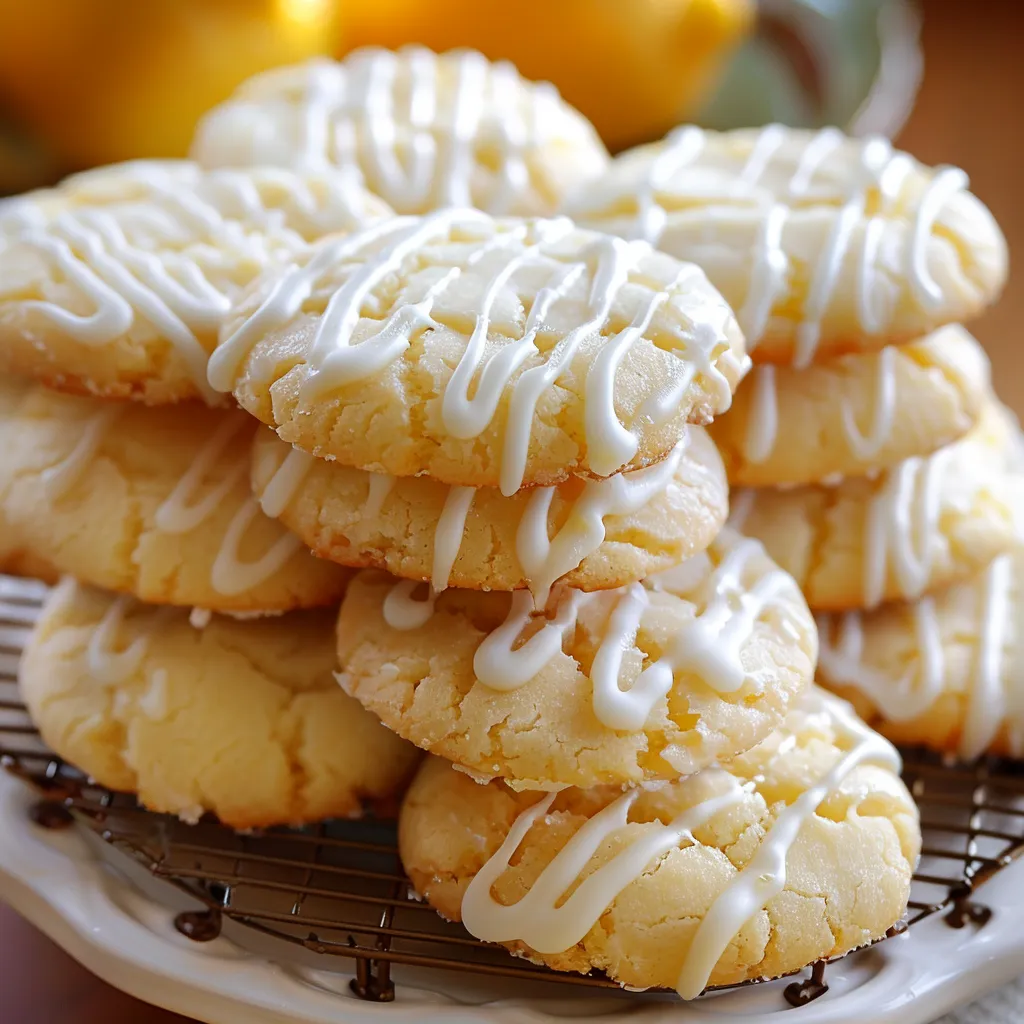
These soft drop cookies use lemon extract rather than juice or zest. Cream butter and sugar, beat in eggs, then add the flour mixture last. That sequence distributes the wet ingredients before flour is hydrated, avoiding the prolonged mixing needed when eggs are added to an already flour-heavy dough.
Eggs disperse more readily through creamed butter than through a stiff flour-heavy mixture. Beat them in one at a time, scraping the bowl, before adding the dry ingredients. This lets you stop mixing soon after the flour is incorporated.
Ingredient amounts and preparation
- Set out: ¾ cup white sugar
- Set out: ⅔ cup salted sweet cream butter, softened
- Set out: 2 cups all-purpose flour
- Set out: 2 teaspoons baking powder
- Set out: 2 eggs
- Set out: 2 teaspoons lemon extract
Cooking sequence and doneness
- Stage 1
- Heat the oven to 400°F and prepare baking sheets.
- Stage 2
- Beat softened salted butter with sugar until lightened, scraping the bowl.
- Stage 3
- Whisk flour and baking powder together separately.
- Stage 4
- Beat eggs into the butter mixture one at a time, then mix in lemon extract.
- Stage 5
- Add the dry mixture and stir only until the dough is evenly combined with no dry pockets.
- Stage 6
- Drop similar spoonfuls onto trays with room between them.
- Stage 7
- Bake about 10–12 minutes, checking for lightly colored edges and set soft centers; rest briefly on the tray, then cool on a rack before storing.
No. Extract is concentrated flavoring, while juice contributes more water and acid at the amounts usually needed for flavor. This recipe specifies two teaspoons extract; a juice-based version needs a separate formula rather than a casual substitution. It should yield to a finger but remain a solid piece rather than a melted puddle. Scrape the bowl during creaming so butter at the bottom joins the mixture. Very warm butter can change how much the cookies spread.
How large should the spoonfuls be?
Choose a consistent scoop and leave room for spreading. A tablespoon-size portion is a practical starting point, but the exact yield is unverified. Make the first tray uniform so its result helps you judge the remaining dough. Check around ten minutes for a lightly colored edge and a center that springs back gently rather than looking wet. Do not bake until every surface becomes deeply brown if you want a soft cookie. Let them firm briefly before moving to a rack.
Are these actually pound cake?
No. The formula makes drop cookies, not a loaf with a traditional pound-cake ratio. The clearer title describes the texture and flavor without implying that the same batter should be baked in a cake pan. Let the baked pieces cool completely before closing a storage container, so trapped steam does not wet the surface. Keep any perishable filling or accompaniment under its own refrigerated-storage instructions.
Related recipe choices
For another complete recipe, see Gingerbread Crinkle Cookies with Molasses or Gingerbread Thumbprint Cookies Filled with Cranberry Jam. Each has its own ingredient quantities and cooking sequence; keep those measurements separate when choosing a meal. King Arthur’s creaming guide explains how butter condition affects mixing. Use softened, still-solid butter for this dough and scrape the bowl so the mixture is even; the cited guide supports technique, not testing of this recipe.
Common Questions About This Recipe
- Why add eggs before flour?
Eggs disperse more readily through creamed butter than through a stiff flour-heavy mixture. Beat them in one at a time, scraping the bowl, before adding the dry ingredients.
- Can lemon juice replace extract spoon for spoon?
No. Extract is concentrated flavoring, while juice contributes more water and acid at the amounts usually needed for flavor.
- How soft should the butter be?
It should yield to a finger but remain a solid piece rather than a melted puddle. Scrape the bowl during creaming so butter at the bottom joins the mixture.
- How large should the spoonfuls be?
Choose a consistent scoop and leave room for spreading. A tablespoon-size portion is a practical starting point, but the exact yield is unverified.
- When are the centers done?
Check around ten minutes for a lightly colored edge and a center that springs back gently rather than looking wet. Do not bake until every surface becomes deeply brown if you want a soft cookie.
- Are these actually pound cake?
No. The formula makes drop cookies, not a loaf with a traditional pound-cake ratio.