
 Pin
Pin
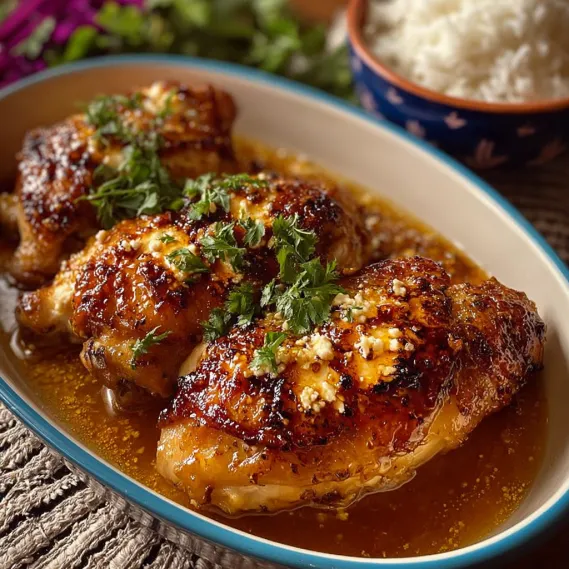
Pan-cooked chicken is finished with crumbled feta and honey warmed with chili flakes and cider vinegar. The cheese is added at serving, not baked into a sauce. Cook the chicken first, then use the separate honey pan to control sweetness and heat without burning the glaze.
It allows the chili and vinegar to mix without keeping chicken over the burner during the infusion. Use low heat and remove the small pan once the mixture is combined. Honey needs warming, not prolonged boiling or caramelizing.
Ingredient amounts and preparation
- Set out: 4 boneless, skinless chicken breasts
- Set out: 1 teaspoon salt
- Set out: 1/2 teaspoon black pepper
- Set out: 1 teaspoon smoked paprika
- Set out: 2 tablespoons olive oil
- Set out: 3/4 cup crumbled feta cheese
- Set out: 1/2 cup honey
- Set out: 1 teaspoon red pepper flakes
- Set out: 1 teaspoon apple cider vinegar; Fresh thyme or parsley
No. It is scattered over cooked chicken and should retain crumbles. Its salty tang contrasts with the honey. Expecting a smooth melted blanket can lead to unnecessary reheating and overcooked meat.
Cooking sequence and doneness
- Stage 1
- Season chicken breasts with salt, pepper and smoked paprika.
- Stage 2
- Heat olive oil in a skillet over moderate heat and cook chicken, turning as needed, until every thick center reaches 165°F; timing depends on thickness, so reduce heat if the outside darkens first.
- Stage 3
- In a separate small pan gently warm honey with chili flakes and cider vinegar, then remove from heat and let stand about five minutes.
- Stage 4
- Rest chicken briefly on a clean plate and scatter the measured feta over it.
- Stage 5
- Drizzle with the warm honey to taste, add optional herbs and offer remaining clean sauce separately.
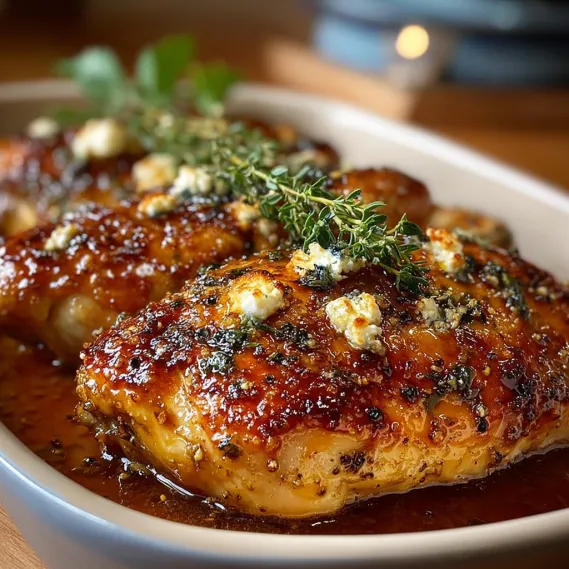
Before plating and adding feta. Probe the thickest part of every breast for 165°F rather than using the color of the paprika coating. Lower the heat if the surface browns faster than the center cooks.
How much sauce belongs on a portion?
The half cup of honey is shared across four breasts. Start with a modest drizzle and offer the rest separately rather than covering the plate automatically. Chicken size and personal heat preference change how much coating feels balanced. It provides acidity against honey and feta, so omitting it changes the balance. The measured teaspoon is small but intentional. Add it off aggressive heat and stir carefully rather than splashing liquid into very hot sugar.
Is this the same as the oven feta recipe?
The oven version marinates chicken, discards used marinade and bakes feta on top. This version cooks chicken in a skillet and adds a clean, separately prepared honey sauce afterward. Follow one complete method rather than reusing raw marinade as a finishing drizzle.
Storage and serving later
Refrigerate perishable leftovers promptly in shallow containers at 40°F or below; do not wait for a large hot batch to cool completely on the counter. University of Illinois Extension’s leftover guidance gives a three-to-four-day refrigerated window and 165°F for reheating foods served hot. Keep cold salads and toppings chilled, and follow shorter product-label limits where applicable.
Related recipe choices
For another complete recipe, see Honey-Marinated Chicken Baked with Feta or Honey Pepper Chicken over Stovetop Mac and Cheese. Each has its own ingredient quantities and cooking sequence; keep those measurements separate when choosing a meal. USDA’s temperature guidance specifies 165°F for poultry, including ground chicken and turkey. Thermometer placement guidance explains checking the thick center rather than relying on surface color.
Common Questions About This Recipe
- Why warm honey separately?
It allows the chili and vinegar to mix without keeping chicken over the burner during the infusion. Use low heat and remove the small pan once the mixture is combined.
- Should feta melt completely?
No. It is scattered over cooked chicken and should retain crumbles.
- When do I check chicken doneness?
Before plating and adding feta. Probe the thickest part of every breast for 165°F rather than using the color of the paprika coating.
- How much sauce belongs on a portion?
The half cup of honey is shared across four breasts. Start with a modest drizzle and offer the rest separately rather than covering the plate automatically.
- Can the vinegar be omitted without effect?
It provides acidity against honey and feta, so omitting it changes the balance. The measured teaspoon is small but intentional.
- Is this the same as the oven feta recipe?
The oven version marinates chicken, discards used marinade and bakes feta on top. This version cooks chicken in a skillet and adds a clean, separately prepared honey sauce afterward.