
 Pin
Pin
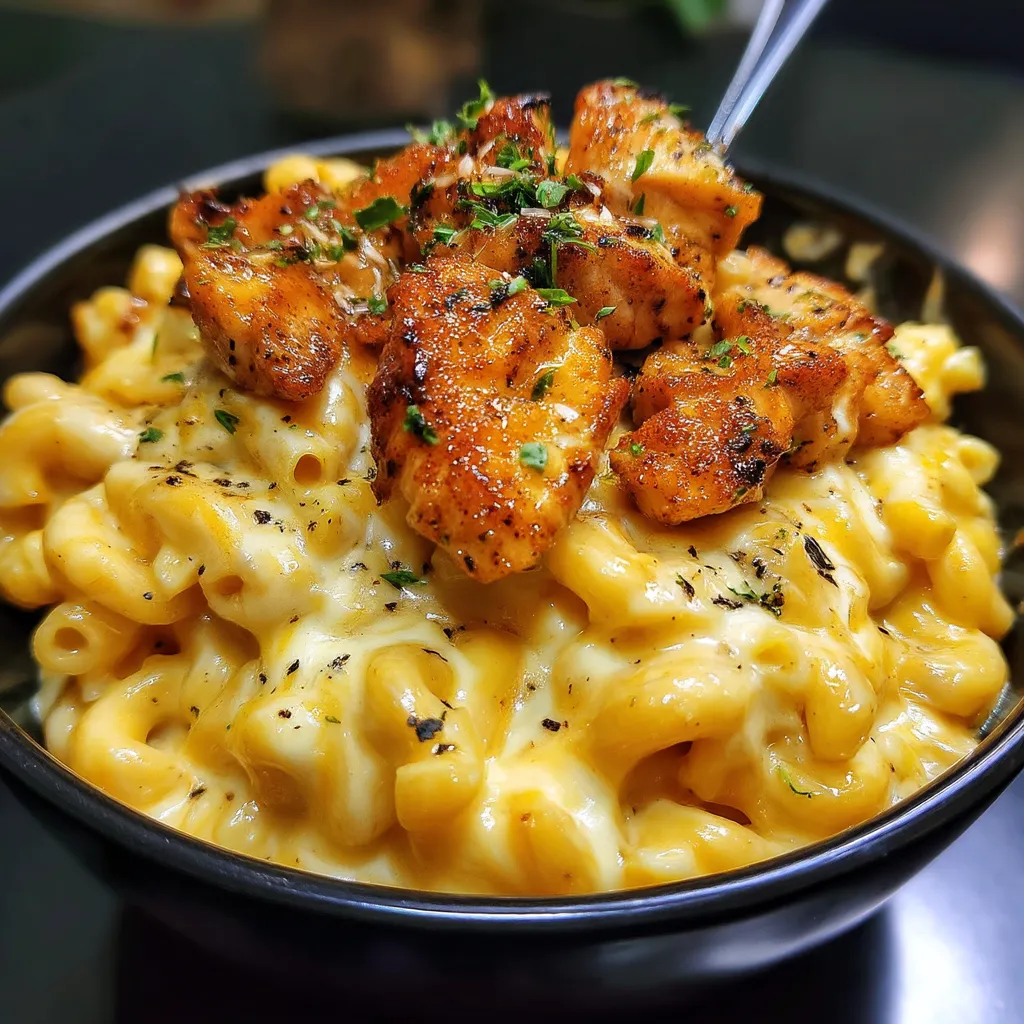
Sliced honey-glazed chicken tops macaroni in a milk-based Cheddar and mozzarella sauce. A flour-and-butter base thickens the milk before the cheeses melt. Keep the chicken glaze and finishing honey separate so the dish receives the intended amounts at the intended stages.
Two tablespoons coat the cooked chicken in the skillet. The separate quarter cup is a finishing drizzle with red pepper flakes, and you can serve it alongside so diners control the amount. Do not pour both measures into the cheese sauce.
Ingredient amounts and preparation
- Set out: 2 boneless, skinless chicken breasts; 1 teaspoon garlic powder
- Set out: ½ teaspoon smoked paprika; Salt and pepper to taste
- Set out: 2 tablespoons honey; 1 tablespoon olive oil; 8 oz elbow macaroni or cavatappi pasta
- Set out: 2 tablespoons unsalted butter; 2 tablespoons all-purpose flour
- Set out: 2 cups whole milk; 1 cup shredded cheddar cheese; 1 cup shredded mozzarella cheese
- Set out: ¼ teaspoon ground black pepper; ¼ teaspoon red pepper flakes (optional)
- Set out: ¼ cup honey (for garnish); 1 teaspoon crushed red pepper flakes (for garnish); Chopped parsley (for garnish)
Cooking sequence and doneness
- Stage 1
- Boil the eight ounces of macaroni following its package, reserve a little water and drain.
- Stage 2
- Season chicken with garlic powder, paprika, salt and pepper; cook in olive oil until each thick center reaches 165°F, then lower heat, coat with the two tablespoons honey and move to a clean board to rest and slice.
- Stage 3
- Melt butter in a saucepan, stir in flour for about a minute, gradually whisk in milk and simmer gently until thickened.
- Stage 4
- Lower the heat and melt in Cheddar and mozzarella, then add black pepper to taste and fold in the cooked macaroni.
- Stage 5
- Divide the macaroni into bowls and top with sliced chicken.
- Stage 6
- Offer the separate finishing honey with pepper flakes as a controlled drizzle and add parsley if using.
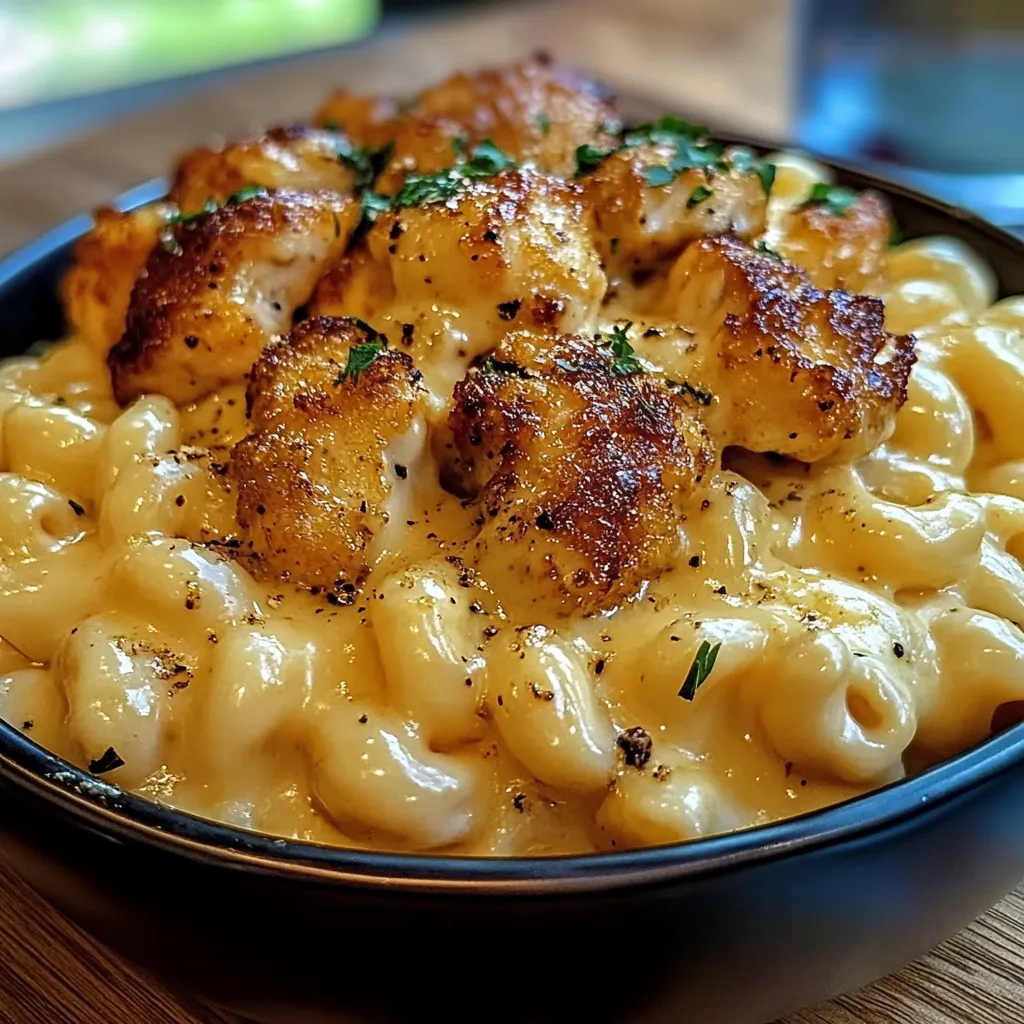
Stir flour into melted butter first, then whisk in milk a little at a time until the base is smooth. Once the initial additions disperse, add the rest gradually. The sauce must thicken before the cheese goes in; cheese is not a remedy for raw flour lumps. Reduce the heat after the milk base thickens, then add Cheddar and mozzarella gradually. Stop short of a hard boil. Mozzarella gives some stretch, so a perfectly fluid sauce is not the expected texture of this cheese combination.
How does pasta quantity affect the sauce?
The eight ounces refers to dry macaroni, cooked separately before mixing. Adding an entire sixteen-ounce box doubles the pasta without doubling sauce. Check the package size before draining it into the saucepan.
Why glaze only cooked chicken?
Honey can burn while a thick breast is still raw inside. Reach 165°F first, lower the heat, then coat briefly. Slice on a clean board after resting so raw-chicken juices do not reach the macaroni. It continues absorbing liquid. Serve soon after mixing and reserve a little cooking water for a small consistency adjustment. Stir gently so the pasta is not crushed, and avoid repeatedly boiling a finished cheese sauce.
Storage and serving later
Refrigerate perishable leftovers promptly in shallow containers at 40°F or below; do not wait for a large hot batch to cool completely on the counter. University of Illinois Extension’s leftover guidance gives a three-to-four-day refrigerated window and 165°F for reheating foods served hot. Keep cold salads and toppings chilled, and follow shorter product-label limits where applicable.
Related recipe choices
For another complete recipe, see Cajun Chicken Bowties with Cream Cheese Sauce or Skillet Chicken with Feta and Warm Chili Honey. Each has its own ingredient quantities and cooking sequence; keep those measurements separate when choosing a meal. USDA’s temperature guidance specifies 165°F for poultry, including ground chicken and turkey. Thermometer placement guidance explains checking the thick center rather than relying on surface color.
Common Questions About This Recipe
- Which honey goes on the chicken?
Two tablespoons coat the cooked chicken in the skillet. The separate quarter cup is a finishing drizzle with red pepper flakes, and you can serve it alongside so diners control the amount.
- How is a lump-free milk sauce made?
Stir flour into melted butter first, then whisk in milk a little at a time until the base is smooth. Once the initial additions disperse, add the rest gradually.
- When do the cheeses melt?
Reduce the heat after the milk base thickens, then add Cheddar and mozzarella gradually. Stop short of a hard boil.
- How does pasta quantity affect the sauce?
The eight ounces refers to dry macaroni, cooked separately before mixing. Adding an entire sixteen-ounce box doubles the pasta without doubling sauce.
- Why glaze only cooked chicken?
Honey can burn while a thick breast is still raw inside. Reach 165°F first, lower the heat, then coat briefly.
- What if macaroni thickens while waiting?
It continues absorbing liquid. Serve soon after mixing and reserve a little cooking water for a small consistency adjustment.