
 Pin
Pin
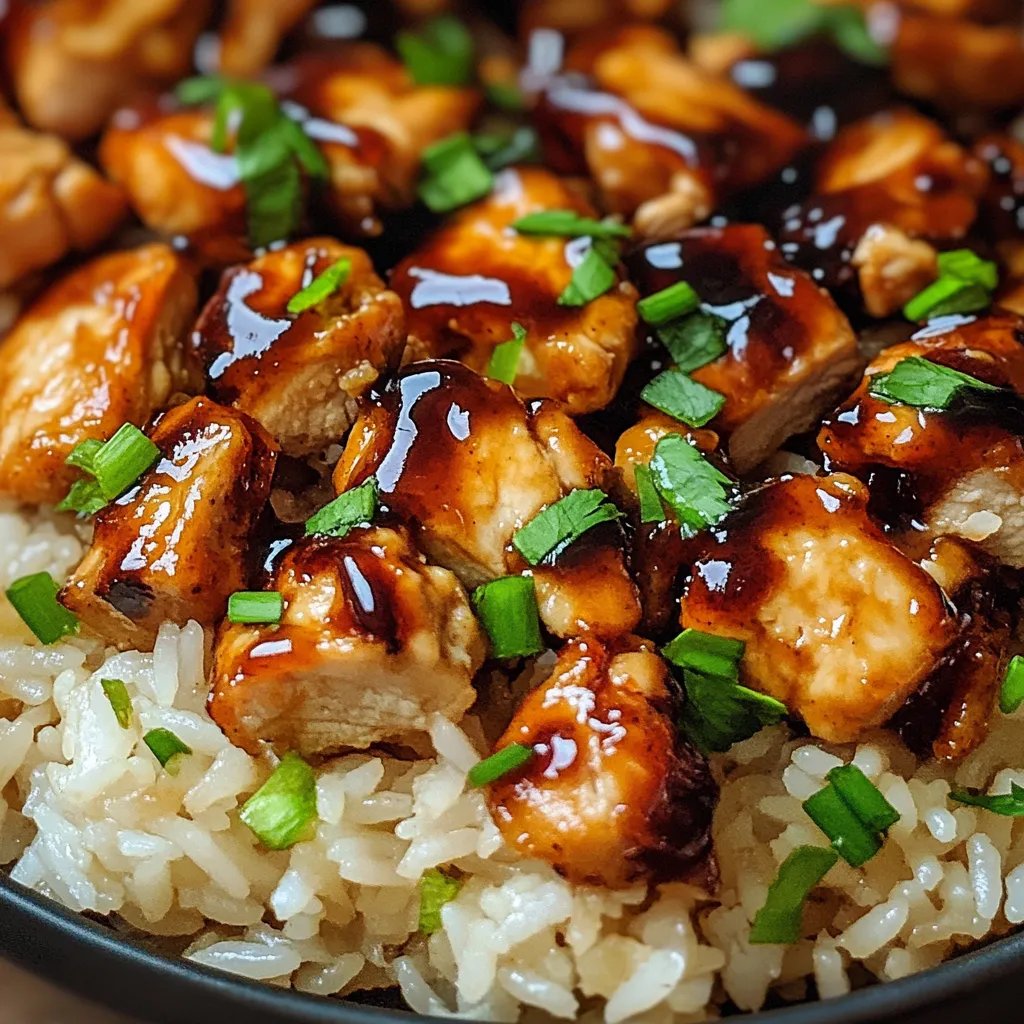
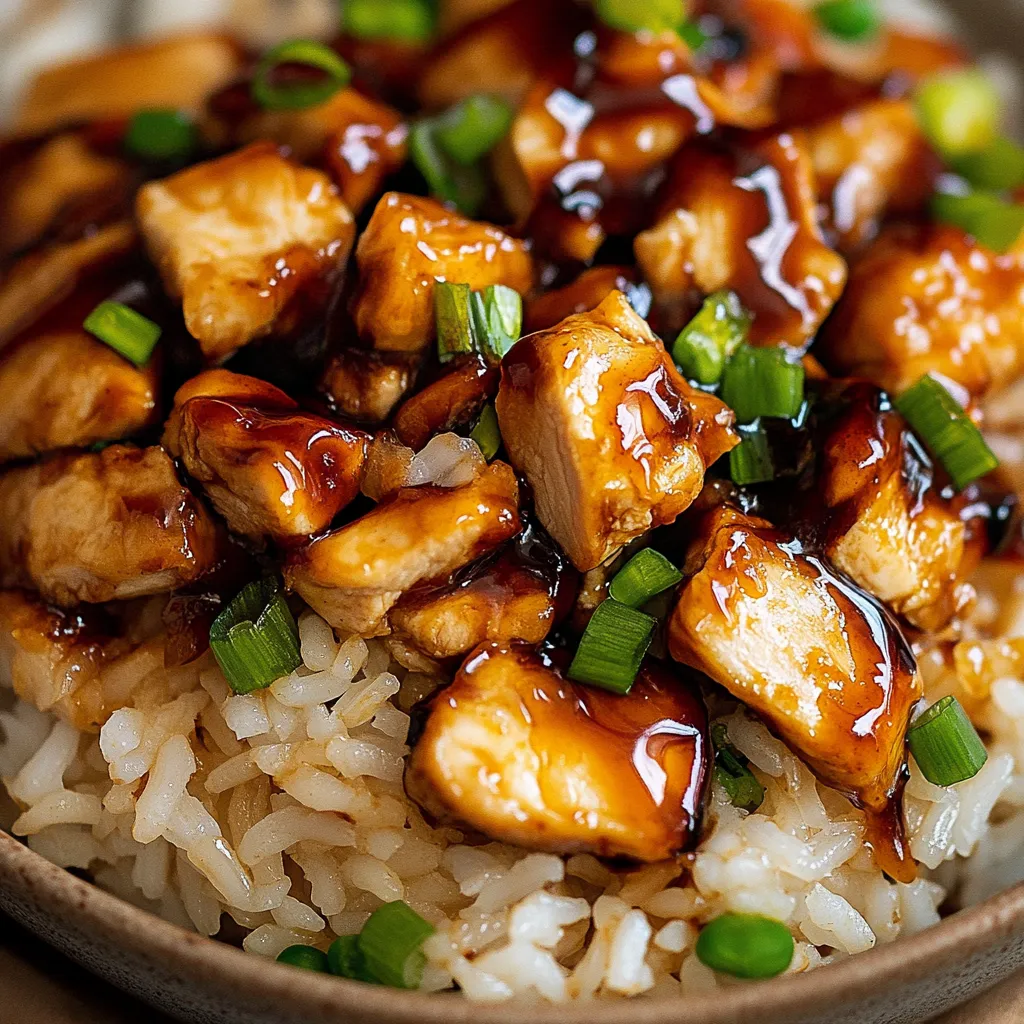
Uncooked long-grain white rice simmers under chicken in a covered pan with broth, barbecue sauce and honey. Mixed vegetables enter near the end. Check rice tenderness and chicken temperature independently: one can finish before the other, especially when chicken pieces differ in thickness.
The one-cup measure is dry long-grain white rice. Brown rice, instant rice and already-cooked rice do not follow this timing or liquid balance. Use a pan with a close-fitting lid so the measured broth remains available for the grain.
Ingredient amounts and preparation
- Set out: 1 lb boneless, skinless chicken thighs or breasts
- Set out: 1 cup uncooked long-grain white rice
- Set out: 2 cups chicken broth
- Set out: 1/2 cup BBQ sauce
- Set out: 1/4 cup honey
- Set out: 1 teaspoon garlic powder
- Set out: 1 teaspoon onion powder
- Set out: 1/2 teaspoon smoked paprika
- Set out: Salt and pepper, to taste; a little neutral oil for the pan if needed
- Set out: 1 cup mixed vegetables (frozen or fresh); Chopped green onions or parsley
Cooking sequence and doneness
- Stage 1
- Season chicken with garlic powder, onion powder, smoked paprika, salt and pepper; heat a lightly oiled deep skillet and sear about 3–4 minutes per side, then set aside briefly while continuing the same cooking session.
- Stage 2
- Stir the uncooked rice in the pan for about a minute, then add broth, barbecue sauce and honey and scrape up browned but not burned residue.
- Stage 3
- Return chicken, bring the liquid to a gentle simmer, cover closely and cook over low heat about fifteen minutes.
- Stage 4
- Add mixed vegetables, cover and continue until the rice is tender, the vegetables are cooked and every thick chicken center reaches 165°F; add small splashes of hot liquid only if the rice needs more hydration.
- Stage 5
- Remove from heat for five minutes with the lid on, then fluff gently and garnish if desired.
Not necessarily. Browning is followed immediately by the covered simmer in the same cooking session. Do not refrigerate partly cooked chicken to finish later. Check the thickest center before serving even when the outside was well browned. The rice needs a longer covered period than small mixed vegetables. Stirring repeatedly also releases steam and disturbs the grain. Add the vegetables after the initial fifteen minutes, then cover again and check their package cooking requirements.
What if the rice is firm but the pan is dry?
Add a small amount of hot water or broth, reseal and continue gently. If the chicken has already reached 165°F, move it to a clean covered plate so it does not keep cooking while the grain finishes. Return it to serve hot.
What if the bottom starts catching?
Lower the heat; the honey and barbecue sauce contain sugars that can scorch against the pan. A gentle simmer and close lid are more useful than vigorous boiling. Avoid scraping burned material into the finished rice. A short off-heat rest allows the remaining moisture to distribute before the rice is moved. Keep the lid on during those five minutes, then loosen gently around the chicken. This is a finishing step, not extra time for undercooked poultry to become safe.
Storage and serving later
Refrigerate perishable leftovers promptly in shallow containers at 40°F or below; do not wait for a large hot batch to cool completely on the counter. University of Illinois Extension’s leftover guidance gives a three-to-four-day refrigerated window and 165°F for reheating foods served hot. Keep cold salads and toppings chilled, and follow shorter product-label limits where applicable.
Related recipe choices
For another complete recipe, see BBQ Ranch Chicken Pasta Casserole or Black-Eyed Pea Cowboy Caviar with Beans and Corn. Each has its own ingredient quantities and cooking sequence; keep those measurements separate when choosing a meal. USDA’s temperature guidance specifies 165°F for poultry, including ground chicken and turkey. Thermometer placement guidance explains checking the thick center rather than relying on surface color.
Common Questions About This Recipe
- Which rice should I use?
The one-cup measure is dry long-grain white rice. Brown rice, instant rice and already-cooked rice do not follow this timing or liquid balance.
- Does searing cook the chicken completely?
Not necessarily. Browning is followed immediately by the covered simmer in the same cooking session.
- Why add vegetables near the end?
The rice needs a longer covered period than small mixed vegetables. Stirring repeatedly also releases steam and disturbs the grain.
- What if the rice is firm but the pan is dry?
Add a small amount of hot water or broth, reseal and continue gently. If the chicken has already reached 165°F, move it to a clean covered plate so it does not keep cooking while the grain finishes.
- What if the bottom starts catching?
Lower the heat; the honey and barbecue sauce contain sugars that can scorch against the pan. A gentle simmer and close lid are more useful than vigorous boiling.
- Why rest before fluffing?
A short off-heat rest allows the remaining moisture to distribute before the rice is moved. Keep the lid on during those five minutes, then loosen gently around the chicken.