
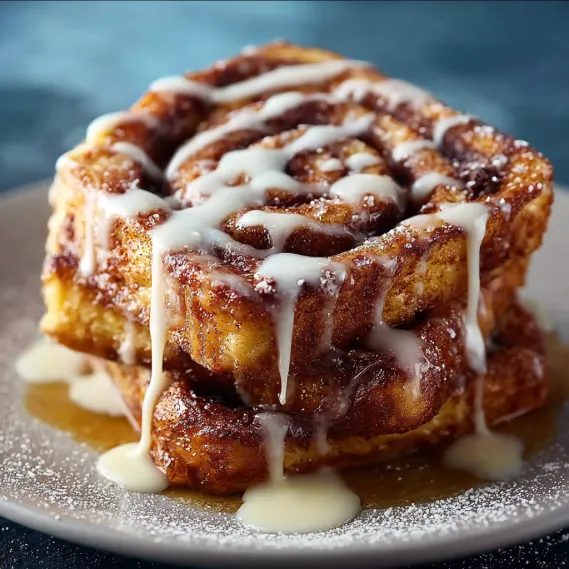
 Pin
Bake the cinnamon rolls first, then cut and briefly coat them in egg custard for a second skillet cooking. This avoids relying on surface browning to cook raw dough centers.
The older draft started with raw dough and used only a short frying time. This revision completes the manufacturer’s dough-baking step first. The skillet step then cooks the egg coating around a baked center. Golden edges are not evidence that an unbaked cinnamon roll has cooked through.
Ingredients and measurements
- One 12.4-ounce, eight-count can refrigerated cinnamon rolls with icing
- 2 large eggs
- 1/4 cup milk
- 1 teaspoon vanilla extract
- 1/2 teaspoon ground cinnamon
- 1–2 tablespoons butter for skillet
- Reserved icing
- Optional powdered sugar, maple syrup or chopped pecans
Preparation and baking
- Stage 1
Reserve the icing. Bake the whole cinnamon rolls completely according to their current package directions. Do not ice them.
- Stage 2
Let the baked rolls cool until easy to handle, then cut each into four pieces.
- Stage 3
Whisk eggs, milk, vanilla and cinnamon. Briefly dip each baked piece and let excess drip off; do not soak.
- Stage 4
Melt some butter in a skillet over medium-low heat. Cook coated pieces in an uncrowded layer, turning until all sides are set and the egg-coated centers reach 160°F. Allow roughly six to ten minutes per batch, adjusting heat as needed.
- Stage 5
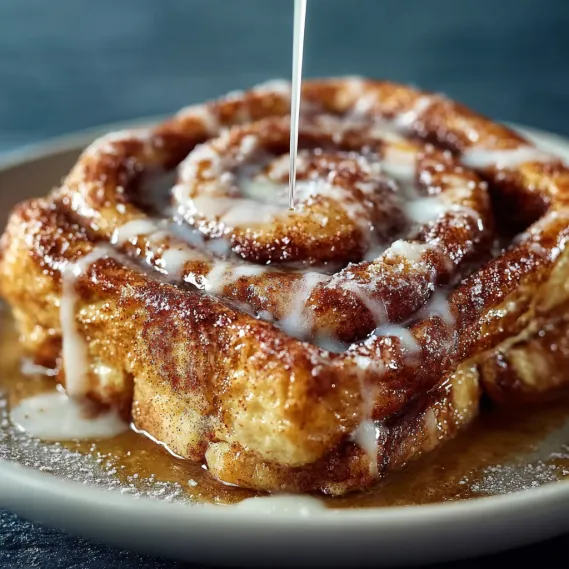
Discard leftover raw egg mixture. Drizzle finished bites with reserved icing and add optional toppings just before serving.
Use safely stored, fully baked rolls without icing. Very large bakery rolls will give a different number of bites and need to be cut into manageable pieces. Do not assume their size or package schedule matches the small refrigerated rolls specified here. Give the surface a brief coating and let drips fall back into the bowl. Long soaking can break the soft roll apart. Keep the dipping bowl separate from the serving plate and use clean utensils for finished bites.
Why bake before dipping?
Lower the burner and give the egg coating time to set. Add butter in small portions between batches rather than letting one large amount burn. Check a thick piece with a thermometer and avoid crowding the pan.
Can I use leftover rolls?
Refrigerate leftovers within two hours and use within three days. Keep covered and follow any shorter ingredient-label limit.
How much custard should stay on each piece?
For more recipes to serve alongside, see breakfast hashbrowns bake sausage or christmas sprinkle buttermilk bread. Use that recipe’s own quantities rather than mixing formulas. This is an editorial revision of the archived recipe, with clearer ingredient allocation and preparation checks. The linked food-safety reference supports temperature guidance, not the recipe proportions. A Pinch Of Lemon has not kitchen-tested this version. Existing photographs are illustrative. FoodSafety.gov cooking temperature chart.
Common Questions About This Recipe
- Why bake before dipping?
The older draft started with raw dough and used only a short frying time. This revision completes the manufacturer’s dough-baking step first. The skillet step then cooks the egg coating around a baked center. Golden edges are not evidence that an unbaked cinnamon roll has cooked through.
- Can I use leftover rolls?
Use safely stored, fully baked rolls without icing. Very large bakery rolls will give a different number of bites and need to be cut into manageable pieces. Do not assume their size or package schedule matches the small refrigerated rolls specified here.
- How much custard should stay on each piece?
Give the surface a brief coating and let drips fall back into the bowl. Long soaking can break the soft roll apart. Keep the dipping bowl separate from the serving plate and use clean utensils for finished bites.
- What if the outside colors too fast?
Lower the burner and give the egg coating time to set. Add butter in small portions between batches rather than letting one large amount burn. Check a thick piece with a thermometer and avoid crowding the pan.