
 Pin
Pin
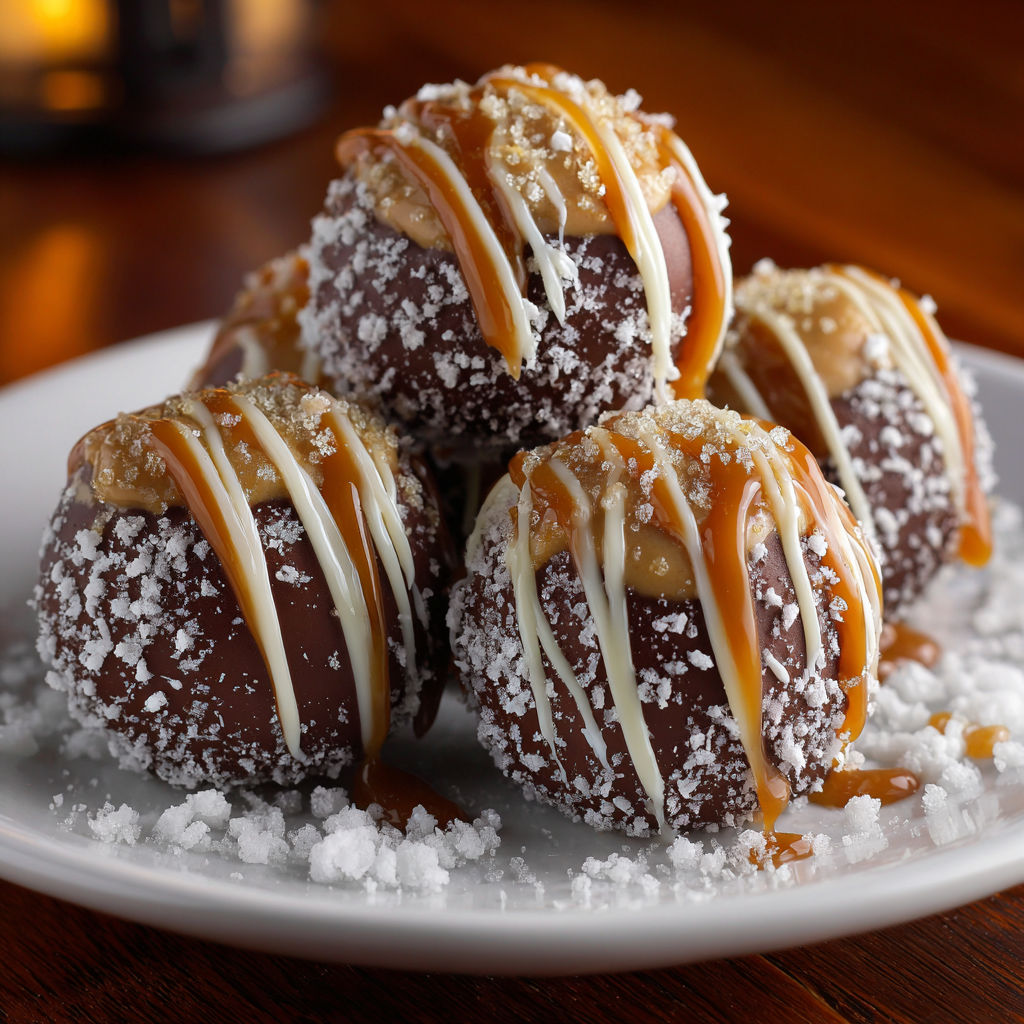
These baked cocoa-peanut-butter cookies are rolled in powdered sugar after cooling. Caramel is an optional finishing drizzle, with storage determined by its label. The dough contains flour and must be baked even though it contains no eggs.
Use a smooth, thoroughly mixed creamy peanut butter. Oil-separated products can change dough consistency; stir fully before measuring. The recipe has not been tested across brands.
Ingredient amounts and preparation
- Set out: 1 cup (2 sticks) salted butter, softened
- Set out: 1 cup powdered sugar, plus extra for coating
- Set out: 1 teaspoon vanilla extract
- Set out: 1/2 cup unsweetened cocoa powder
- Set out: 1 cup creamy peanut butter
- Set out: 2 1/4 cups all-purpose flour
- Set out: 1/4 teaspoon salt
- Set out: Caramel sauce, for drizzling
- Set out: Optional: chopped nuts or sprinkles
Cooking sequence and doneness
- Stage 1
- Heat the oven to 350°F and line a baking sheet.
- Stage 2
- Cream softened butter with the measured cup of powdered sugar.
- Stage 3
- Mix in vanilla, cocoa and peanut butter until even. Whisk flour and salt separately.
- Stage 4
- Mix dry ingredients into the butter mixture just until combined.
- Stage 5
- Roll into uniform one-inch balls.
- Stage 6
- Arrange with space on the lined tray. Bake about ten to twelve minutes, continuing until the dough is baked and edges set.
- Stage 7
- Leave on the tray briefly to firm.
- Stage 8
- Transfer gently to a rack and cool completely.
- Stage 9
- Roll in additional powdered sugar. Add optional caramel, nuts or sprinkles close to serving and follow the caramel label for storage.
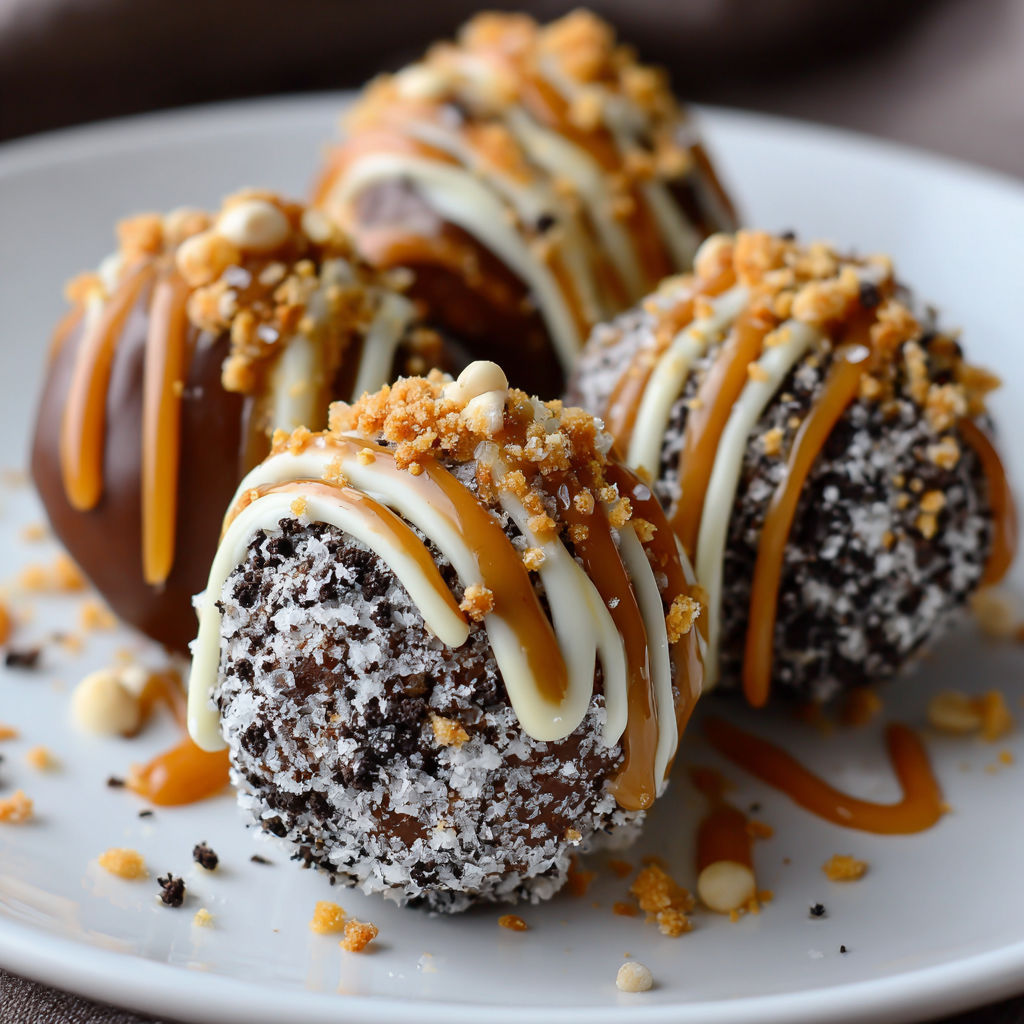
Roll one-inch balls and keep their size consistent. Larger portions need a different bake time. Start checking at ten minutes, looking for set edges and baked dough rather than judging by brown color on cocoa dough.
When does powdered sugar go on?
Cool completely before coating to limit immediate melting. The measured cup is in the dough; coating sugar is additional. Handle gently because warm cookies may crumble.
When should caramel be added?
Drizzle close to serving so the coating does not become wet during storage. Follow the sauce label for refrigeration after opening. Plain cookies and sauced cookies may need different storage.
Is raw dough safe to taste?
No; flour is a raw ingredient even in egg-free dough. Bake the portions fully and cool before tasting. Do not call this an edible cookie-dough recipe.
Storage and serving later
Cool plain cookies completely before covering. Add caramel shortly before serving and follow its label for refrigeration and use-after-opening limits. If storing already drizzled cookies, use the stricter storage requirement of the sauce rather than assuming the whole dessert is shelf-stable.
Related recipe choices
For another complete recipe, see Two-Layer Peppermint Bark with Dark and White Chocolate or Muffin-Pan Pecan Pies with Brown Sugar Crusts. Each has its own ingredient quantities and cooking sequence; keep those measurements separate when choosing a meal.
King Arthur’s creaming guide explains how butter condition affects mixing. That guide concerns recipes using softened butter; where this recipe calls for melted butter, follow its separate mixing sequence. The guide does not establish testing of this formula.
Common Questions About This Recipe
- Which peanut butter is suitable?
Use a smooth, thoroughly mixed creamy peanut butter. Oil-separated products can change dough consistency; stir fully before measuring.
- How large are the cookies?
Roll one-inch balls and keep their size consistent. Larger portions need a different bake time.
- When does powdered sugar go on?
Cool completely before coating to limit immediate melting. The measured cup is in the dough; coating sugar is additional.
- When should caramel be added?
Drizzle close to serving so the coating does not become wet during storage. Follow the sauce label for refrigeration after opening.
- Is raw dough safe to taste?
No; flour is a raw ingredient even in egg-free dough. Bake the portions fully and cool before tasting.