
 Pin
Pin
Thin citrus slices simmer in a sugar syrup before draining and receiving a sugar coating. Slice consistently and judge tenderness through the rind, not just the flesh. This home method does not establish a month-long room-temperature shelf life.
Two cups dissolve in two cups of water for the syrup. The final cup is reserved for coating drained slices. Keep it dry until coating so it does not clump prematurely.
Ingredient amounts and preparation
- Set out: 2 cups water
- Set out: 3 cups granulated sugar, divided use
- Set out: 3 medium citrus fruits, such as oranges, lemons, limes, or blood oranges
Cooking sequence and doneness
- Stage 1
- Wash the citrus under running water and trim the ends. Cut into consistent one-fifth-inch slices.
- Stage 2
- Remove large seeds gently. Combine two cups of sugar and two cups of water in a wide heavy pan.
- Stage 3
- Heat until the sugar dissolves and the syrup boils. Add a single layer of slices, using batches if necessary.
- Stage 4
- Reduce to a gentle simmer and turn carefully partway through. Begin checking around thirty minutes and continue until the rind is tender and fruit translucent.
- Stage 5
- Lift to a clean rack over a tray and drain about fifteen minutes. Coat with the reserved cup of sugar and return to the rack.
- Stage 6
- Let dry in a clean protected place, turning once, until the surface is no longer wet; this may take twelve to twenty-four hours. Refrigerate after drying and use within a few days, or freeze rather than relying on unverified long room-temperature storage.
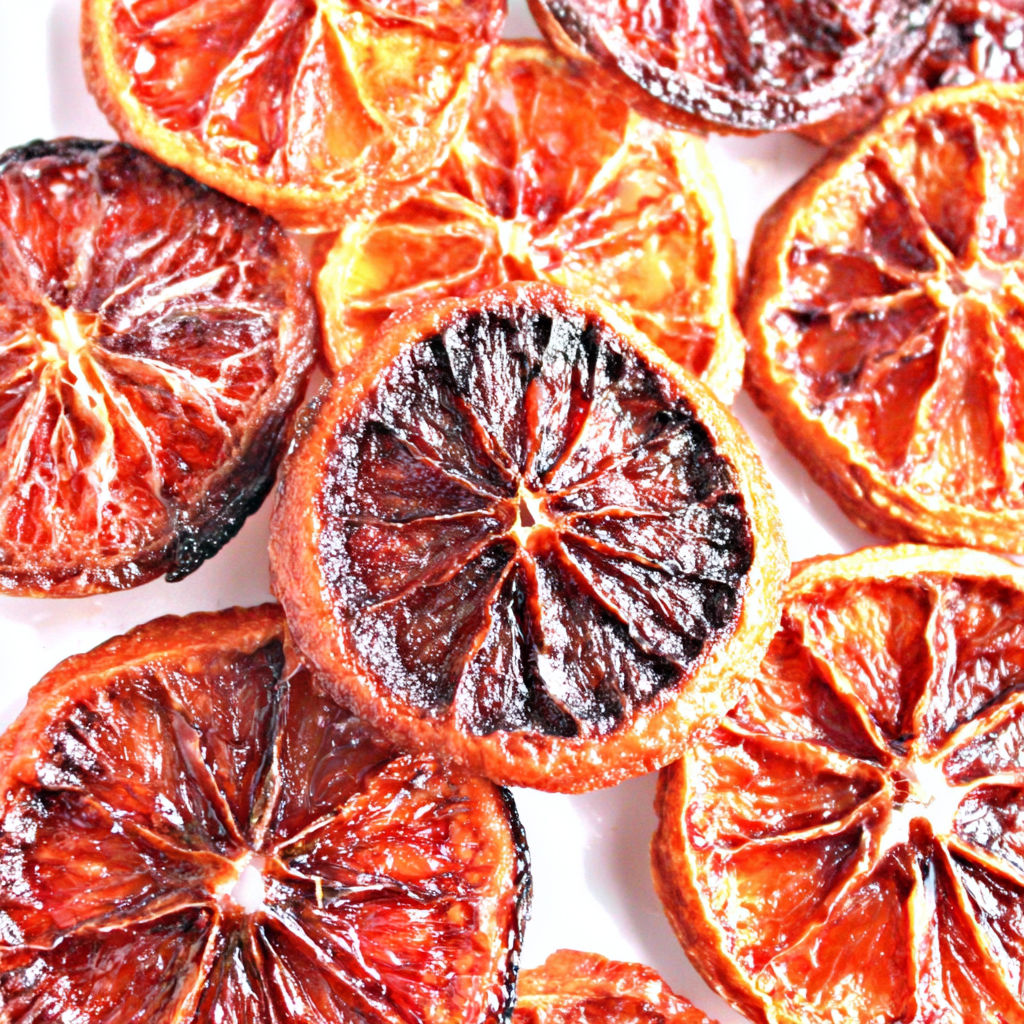
Oranges, lemons and limes differ in rind thickness and bitterness. Cook similarly sized slices together and remove them individually when tender. A mixed pan should not be judged by the thinnest slice alone.
How thick should slices be?
Aim for about one-fifth inch, removing seeds without tearing the centers. Very thin slices can break while thick rind takes longer to soften. Use a sharp knife and a stable cutting board.
How is doneness checked?
Keep the syrup at a gentle simmer and turn slices carefully. Look for translucent flesh and a tender rind, starting around thirty minutes. If slices overlap heavily, use batches rather than forcing everything into one layer.
How should they be kept?
Let the coated slices drain and dry until no longer wet, protected from contamination. Their moisture varies, so refrigerate after drying and use within a few days or freeze for longer storage. This is not a tested shelf-stable preserve.
Storage and serving later
After drying, refrigerate in a clean covered container and use within a few days, or freeze for longer storage. This formula has not been assessed for water activity or a room-temperature shelf life. Discard moldy slices; sugar coating does not make spoiled fruit safe.
Related recipe choices
For another complete recipe, see Two-Layer Peppermint Bark with Dark and White Chocolate or Bourbon Peach Upside-Down Cake. Each has its own ingredient quantities and cooking sequence; keep those measurements separate when choosing a meal.
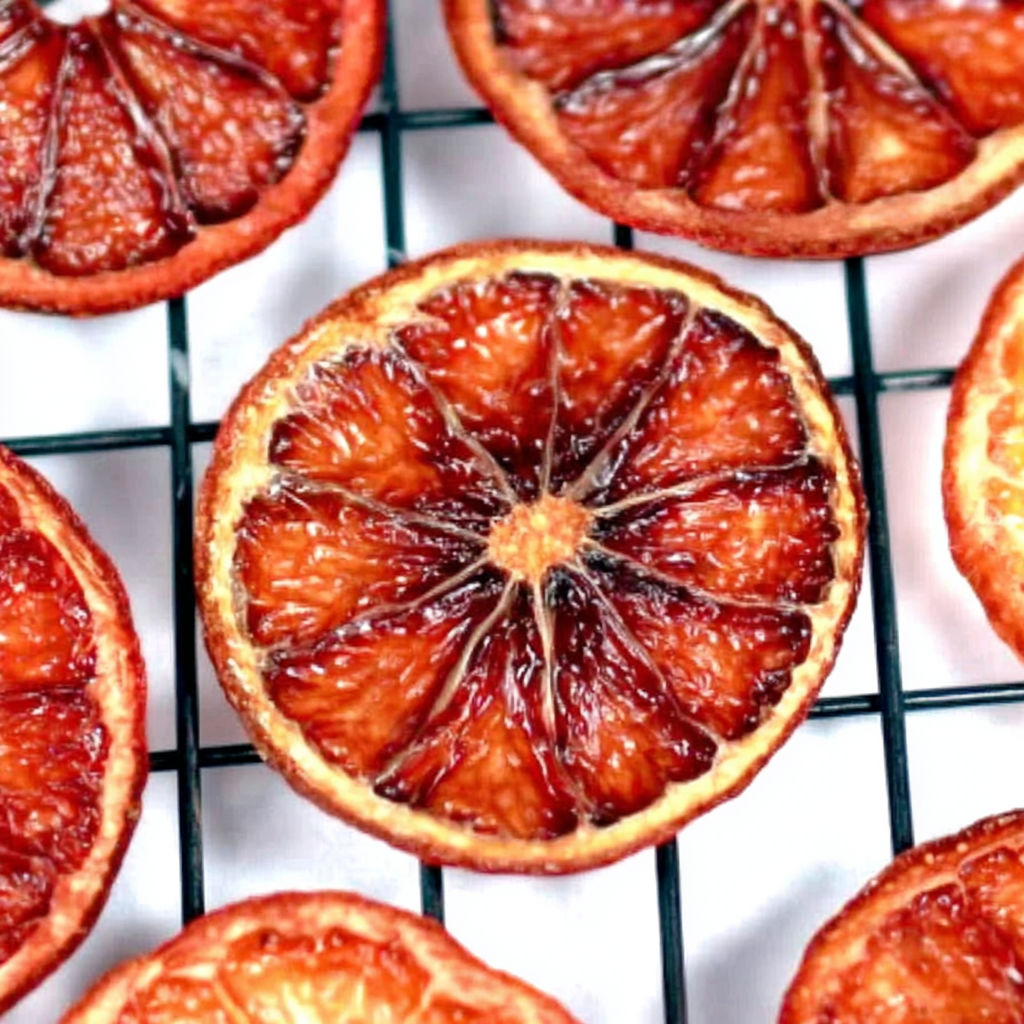
King Arthur candied citrus guidance describes simmering citrus rind in syrup until tender. Its peel recipe does not establish a shelf life for these whole fruit slices.
Common Questions About This Recipe
- How is the sugar divided?
Two cups dissolve in two cups of water for the syrup. The final cup is reserved for coating drained slices.
- Which citrus works together?
Oranges, lemons and limes differ in rind thickness and bitterness. Cook similarly sized slices together and remove them individually when tender.
- How thick should slices be?
Aim for about one-fifth inch, removing seeds without tearing the centers. Very thin slices can break while thick rind takes longer to soften.
- How is doneness checked?
Keep the syrup at a gentle simmer and turn slices carefully. Look for translucent flesh and a tender rind, starting around thirty minutes.
- How should they be kept?
Let the coated slices drain and dry until no longer wet, protected from contamination. Their moisture varies, so refrigerate after drying and use within a few days or freeze for longer storage.
- Has this recipe been kitchen-tested?
No. This is a research-based editorial revision.