
 Pin
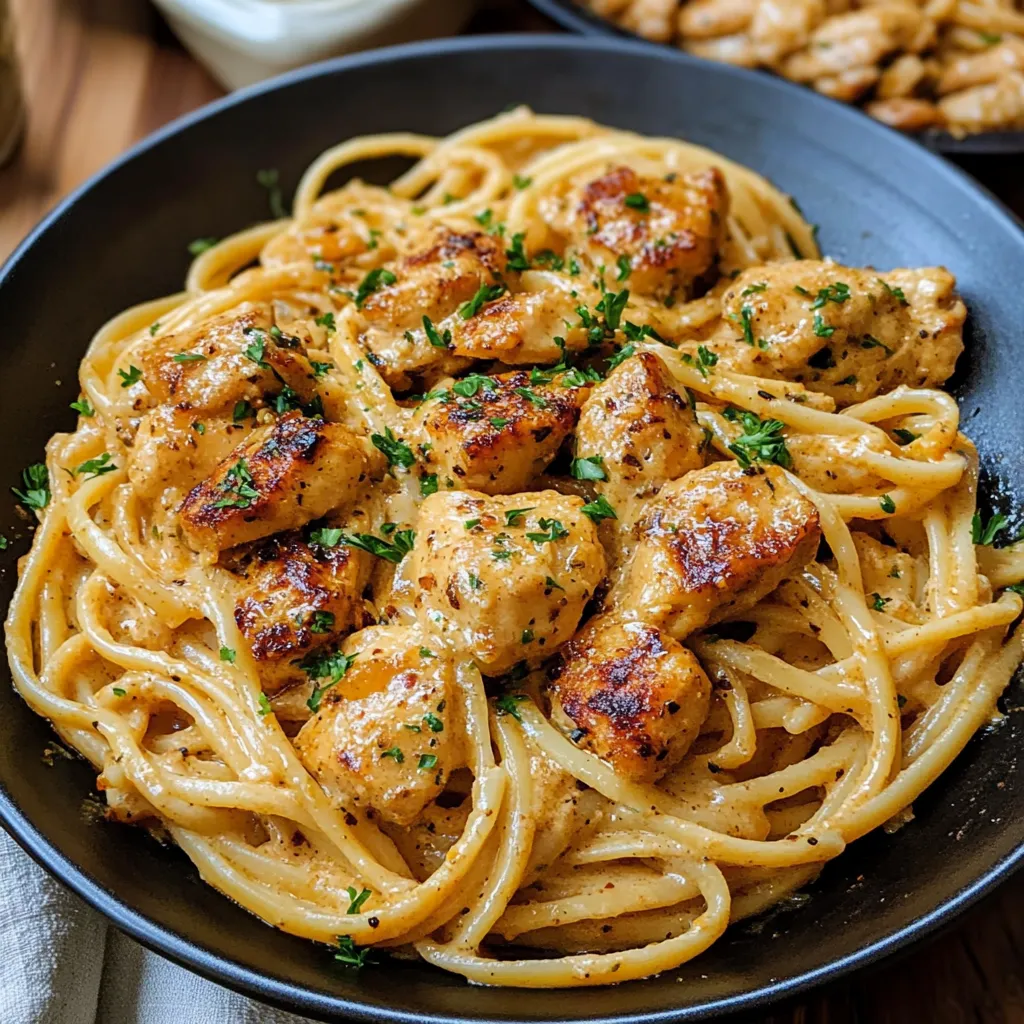
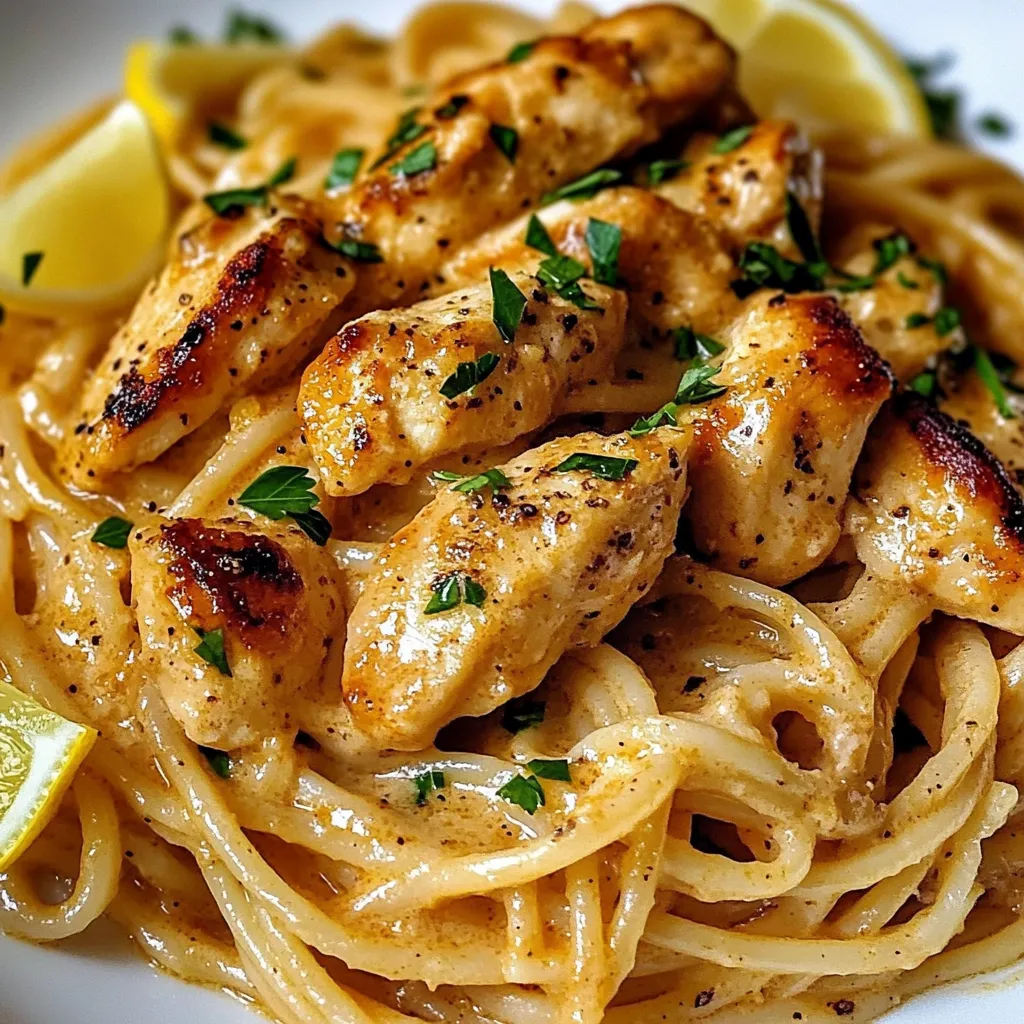
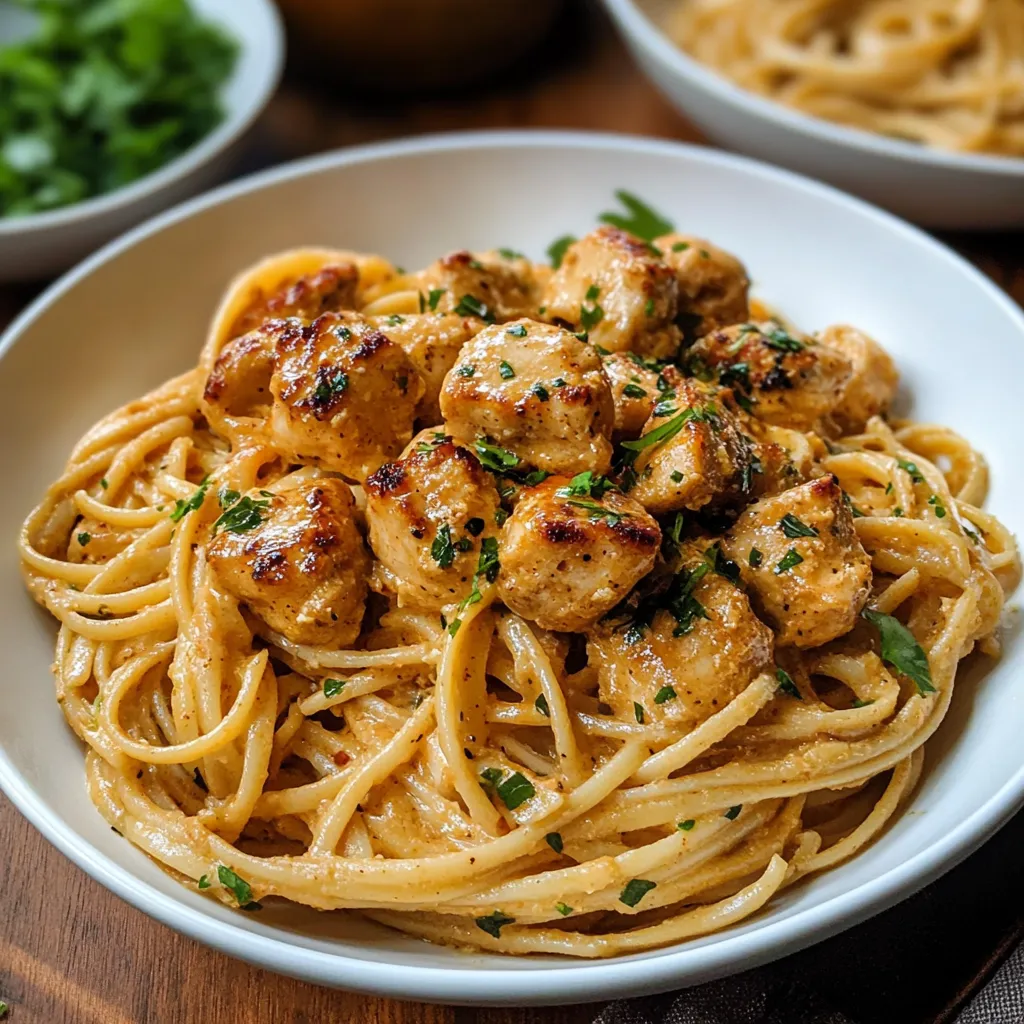
Chicken and linguine are coated in a cream sauce finished with seasoned butter. The four-tablespoon butter allowance is split between cooking and sauce, resolving the conflicting amounts in the earlier drafts.
For a separate batch, mix 113 g softened butter with 1 tablespoon each Dijon, chives and parsley, 2 teaspoons each thyme and minced garlic, 1 teaspoon lemon juice, 1/2 teaspoon paprika, 1/4 teaspoon salt and 1/8 teaspoon each pepper, cayenne and red pepper flakes. Use only four tablespoons of the finished mixture in the pasta; refrigerate the remainder promptly.
Ingredients and preparation checklist
- 8 ounces linguine
- 1 1/2 pounds chicken breast, cut into 1-inch pieces
- 2 tablespoons olive oil
- 1/2 teaspoon each paprika, garlic salt and kosher salt
- 1/4 teaspoon pepper, for chicken
- 1/4 cup prepared cowboy butter, divided into two 2-tablespoon portions (batch formula below)
- 3/4 cup heavy cream
- 1 teaspoon garlic salt
- 1/4 teaspoon red pepper flakes
- 1/2 teaspoon lemon juice
- Optional lemon wedges and parsley
- Prepare the compound butter first.
- Measure four tablespoons for this dish.
Method and cooking checks
- Stage 1
Prepare the butter described below, then measure only four tablespoons for this pasta. Cook linguine following its package; drain.
- Stage 1
Heat oil; season and sear chicken 3–4 minutes. Add two tablespoons butter, turn pieces and cook to 165°F; remove.
- Stage 1
Over low heat, combine remaining two tablespoons butter, cream, sauce garlic salt and flakes, scraping the skillet.
- Stage 1
Add chicken, pasta and lemon juice. Toss until coated and hot; garnish if desired.
One portion seasons the chicken and the other belongs to the sauce. Measure them separately before cooking. Products vary in salt content; add the sauce portion gradually and taste before using all of it. Plain garlic powder does not have the same composition, so changing products changes the seasoning balance. Lower the heat before cream enters the skillet. Stir along the bottom to release browned chicken residue without allowing the cream to boil aggressively. Keep the pasta nearby so the finished sauce does not continue reducing while you start another task. If it becomes too tight, loosen a little at a time with warm water.
How is the compound butter measured?
Cut chicken into similar pieces and check several thick pieces with a thermometer before removing them from the skillet. Once cooked, return them only long enough to coat and heat through. Use clean utensils for the finished dish, and keep the plate that held raw chicken away from the serving area.
Why are there two garlic-salt quantities?
Refrigerate pasta and spare seasoned butter promptly in separate covered containers. Use the pasta within three to four days and reheat to 165°F. Use the garlic-and-herb butter within three days or freeze it in labeled portions.
How can the sauce be kept smooth?
For more recipes to serve alongside, see melt your mouth chicken or parmesan crusted chicken dinner. Use that recipe’s own quantities rather than mixing formulas. Formula adapted from Amanda Rettke’s Cowboy Butter Chicken Linguine. The ingredient proportions and core method are credited to that source; the preparation guidance here is editorial research. A Pinch Of Lemon has not kitchen-tested this version. Existing photographs are illustrative and are not evidence of a test bake. The separate compound-butter formula is credited to Amanda Rettke’s Cowboy Butter; the pasta uses only four tablespoons of that batch.
Common Questions About This Recipe
- How is the compound butter measured?
For a separate batch, mix 113 g softened butter with 1 tablespoon each Dijon, chives and parsley, 2 teaspoons each thyme and minced garlic, 1 teaspoon lemon juice, 1/2 teaspoon paprika, 1/4 teaspoon salt and 1/8 teaspoon each pepper, cayenne and red pepper flakes. Use only four tablespoons of the finished mixture in the pasta; refrigerate the remainder promptly.
- Why are there two garlic-salt quantities?
One portion seasons the chicken and the other belongs to the sauce. Measure them separately before cooking. Products vary in salt content; add the sauce portion gradually and taste before using all of it. Plain garlic powder does not have the same composition, so changing products changes the seasoning balance.
- How can the sauce be kept smooth?
Lower the heat before cream enters the skillet. Stir along the bottom to release browned chicken residue without allowing the cream to boil aggressively. Keep the pasta nearby so the finished sauce does not continue reducing while you start another task. If it becomes too tight, loosen a little at a time with warm water.
- What should be checked before serving?
Cut chicken into similar pieces and check several thick pieces with a thermometer before removing them from the skillet. Once cooked, return them only long enough to coat and heat through. Use clean utensils for the finished dish, and keep the plate that held raw chicken away from the serving area.