
 Pin
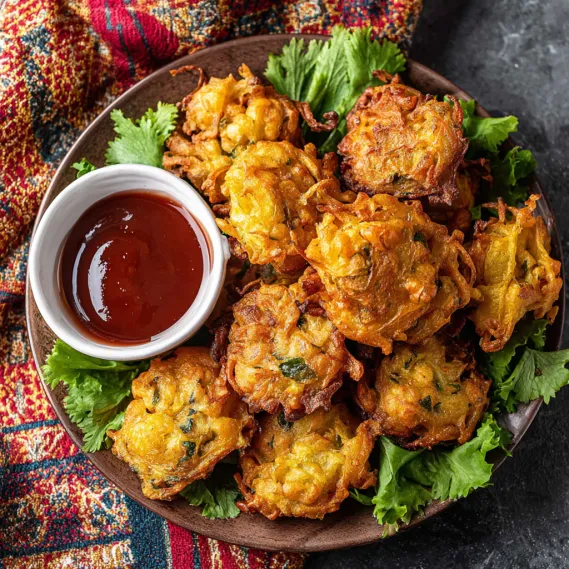
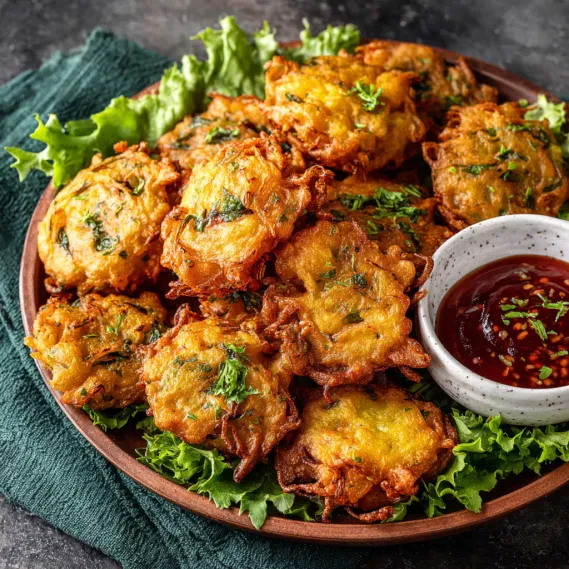
Cooked potatoes are combined with onion, spices and chickpea flour, then shallow-fried as small patties. This is a mashed-potato variation rather than raw potato slices dipped in batter.
This version starts with tender potatoes so the frying step sets the binder and browns the outside rather than cooking large raw cubes.
Ingredients and measurements
- 2 medium russet potatoes, skinned and cubed; 1/2 cup red onion, sliced
- 2 tbsp cilantro, chopped; 2 Serrano green chilies, minced
- 2 cloves garlic, minced; 1 thumb ginger, skinned and minced
- 1/2 tsp kosher salt; 1/2 tsp chaat masala
- 1/4 tsp coriander powder; 1/4 tsp red chili powder
- 1/4 tsp turmeric powder; 1/4 tsp cumin powder
- 1/4 tsp black pepper; 1/2 cup besan (chickpea flour)
- Up to 2 tablespoons water, added gradually; Vegetable oil for shallow frying, about 1 cup depending on pan size
Preparation and baking
- Stage 1
Cover the cubed potatoes with water in a saucepan. Boil until fork-tender, then drain thoroughly and let steam escape. Mash coarsely rather than making a smooth puree.
- Stage 2
Combine potatoes with sliced onion, cilantro, chilies, garlic, ginger and the listed spices. Sprinkle in besan and add water gradually, using only enough for the mixture to hold together.
- Stage 3
Form a small test patty, about two tablespoons. If it falls apart, let the mixture stand briefly and reassess its moisture before shaping the rest.
- Stage 4
Pour oil into a sturdy skillet to create a shallow frying layer without filling the pan more than one-third. Heat to about 350°F, using a thermometer and keeping water away from the oil.
- Stage 5
Lower the test patty into the oil carefully. Fry until golden on both sides and the center is hot with no wet flour paste; reduce heat if the surface darkens too quickly. Adjust the remaining patties to a similar thickness.
- Stage 6
Fry in uncrowded batches, letting the oil recover between them. Drain on a rack or absorbent paper and serve hot. Never add water to hot oil.
No. This revision specifies chickpea flour for a consistent ingredient choice; wheat flour has a different flavor and binding behavior. Begin with less than the two-tablespoon allowance because drained potatoes and onions vary in moisture. Add only until the mixture holds a patty.
Why cook potatoes first?
It reveals whether the mixture holds together and whether the heat browns the outside before the center is cooked. Keep the remaining patties similar in thickness.
Is regular flour identical to besan?
Refrigerate leftovers promptly in shallow containers within two hours, or within one hour above 90°F. Keep at 40°F or below and reheat leftovers to 165°F.
How much water is needed?
For more recipes to serve alongside, see chicken buttered noodles or healthy cowboy caviar salad. Use that recipe’s own quantities rather than mixing formulas. This is an editorial revision of the archived recipe, with clarified ingredient allocation and preparation checks. A Pinch Of Lemon has not kitchen-tested this version. The linked reference supports food-safety guidance only; it is not the source of the complete formula. Existing photographs are illustrative. Reference: FoodSafety.gov cooking temperatures.
Common Questions About This Recipe
- Why cook potatoes first?
This version starts with tender potatoes so the frying step sets the binder and browns the outside rather than cooking large raw cubes.
- Is regular flour identical to besan?
No. This revision specifies chickpea flour for a consistent ingredient choice; wheat flour has a different flavor and binding behavior.
- How much water is needed?
Begin with less than the two-tablespoon allowance because drained potatoes and onions vary in moisture. Add only until the mixture holds a patty.
- Why cook a test patty?
It reveals whether the mixture holds together and whether the heat browns the outside before the center is cooked. Keep the remaining patties similar in thickness.