
 Pin
Pin
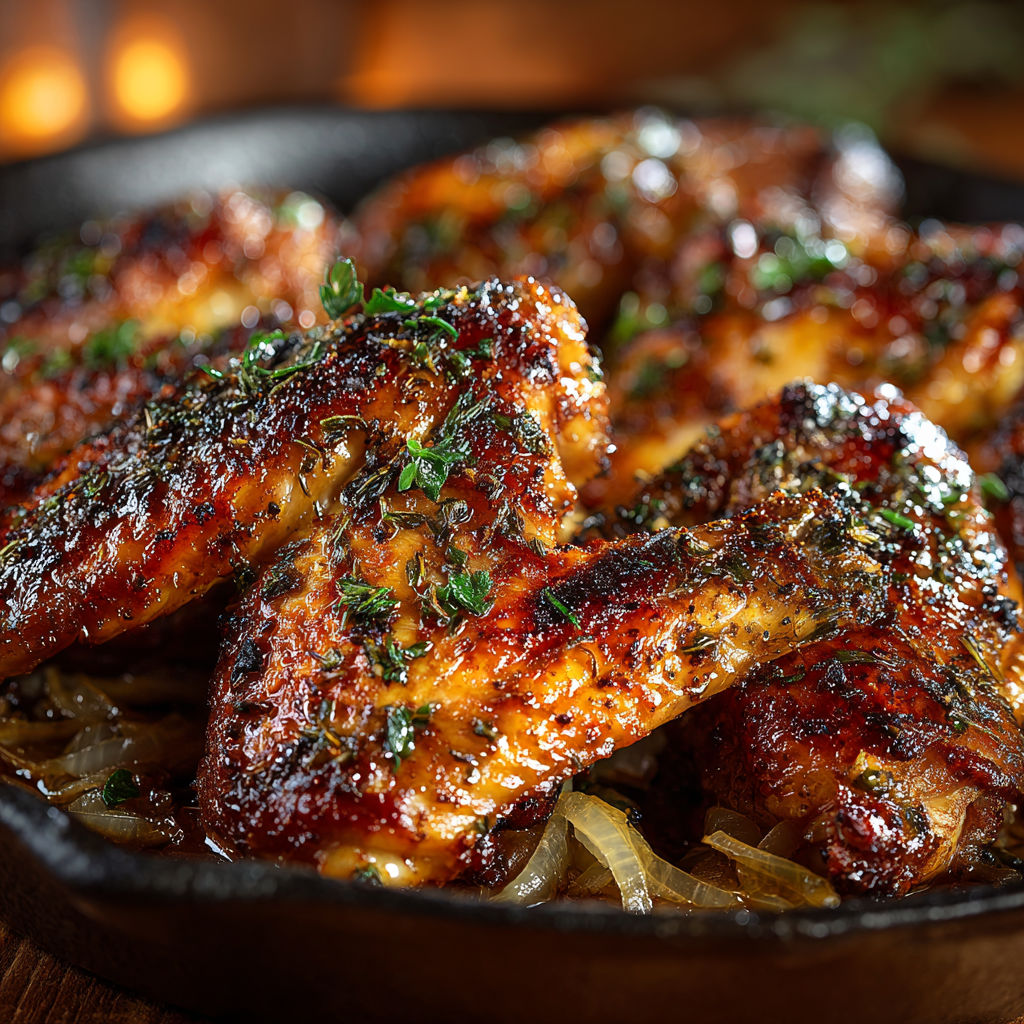
Turkey wings bake covered over onion and garlic before an uncovered finish colors the skin. Their size varies greatly, so weight and tenderness matter more than counting three or four wings. Keep the broth around the meat and check temperature near the thickest joint without touching bone.
The covered stage holds moisture around the wings and gives the connective tissue time to soften. A browned skin cannot tell you whether the meat near a large joint is tender. Keep cooking covered if the wings are still firm at the first check.
Ingredient amounts and preparation
- Set out: 3 to 4 turkey wings, separated at the joints
- Set out: 2 tablespoons olive oil or melted butter
- Set out: 1 medium onion, chopped
- Set out: 4 cloves garlic, minced
- Set out: 1 tablespoon paprika
- Set out: 1 teaspoon garlic powder
- Set out: 1 teaspoon onion powder
- Set out: 1 teaspoon black pepper
- Set out: 1 teaspoon salt, or more to taste
- Set out: 1 teaspoon dried or fresh thyme; 1 cup chicken or turkey broth
Cooking sequence and doneness
- Stage 1
- Heat the oven to 375°F.
- Stage 2
- Mix paprika, garlic powder, onion powder, pepper, salt and thyme.
- Stage 3
- Pat the jointed turkey wings dry and coat with the listed oil or melted butter and spice mixture.
- Stage 4
- Spread chopped onion and minced garlic in a deep oven dish.
- Stage 5
- Arrange wings in a single layer and pour broth around them rather than washing seasoning off the tops.
- Stage 6
- Cover tightly and bake about one hour, then check temperature and tenderness, continuing covered as needed.
- Stage 7
- Uncover when nearly tender and bake roughly another thirty minutes to color, ensuring every thick portion reaches at least 165°F away from bone and adding hot broth if the pan starts drying.
- Stage 8
- If desired, briefly broil only in suitable cookware while watching continuously; rest before serving with the pan juices.
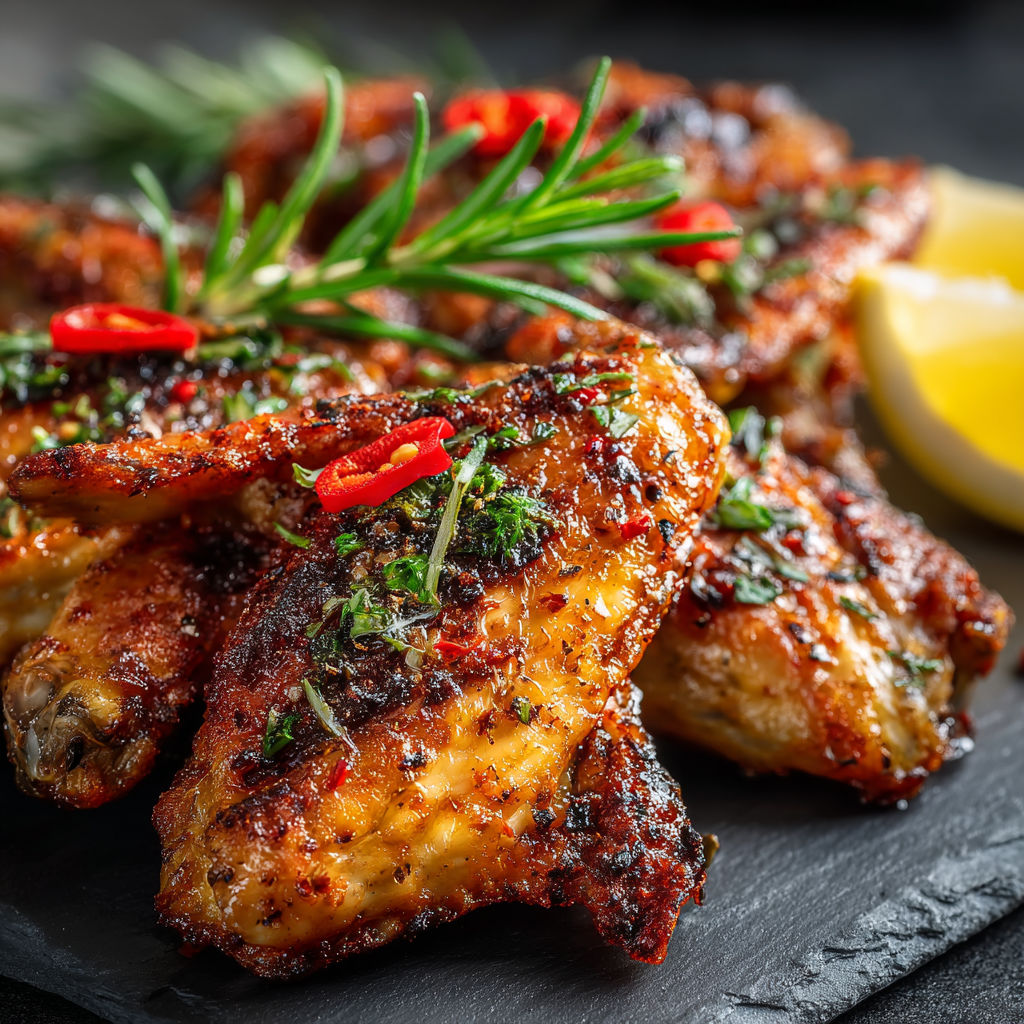
Use jointed pieces in a single roomy layer over onion and garlic. Stacking shields some surfaces and makes the uncovered finish uneven. Choose a dish deep enough to contain the cup of broth and the juices released by the meat.
Is 165°F the same as tender?
It is the poultry safety endpoint, not a promise that every large wing joint will have the texture you want. Once the minimum is met, assess whether a fork enters readily and the joint moves more freely; additional covered cooking may be useful. After the meat is nearly as tender as desired. Then expose the surface to color, checking that the broth has not evaporated away. Add a little hot liquid if the bottom is catching, rather than allowing onion and garlic to burn dry.
Is broiling necessary?
No. It is an optional short finish only in a broiler-safe dish. Watch continuously and follow the appliance’s rack guidance. Broiling cannot rescue an undercooked center and should not be used with cookware or liners that prohibit it.
Storage and serving later
Refrigerate perishable leftovers promptly in shallow containers at 40°F or below; do not wait for a large hot batch to cool completely on the counter. University of Illinois Extension’s leftover guidance gives a three-to-four-day refrigerated window and 165°F for reheating foods served hot. Keep cold salads and toppings chilled, and follow shorter product-label limits where applicable.
For another complete recipe, see Grandma-Style Fried Potatoes and Onions in a Skillet or Skillet Corn with Honey Butter and Cream Cheese. Each has its own ingredient quantities and cooking sequence; keep those measurements separate when choosing a meal. USDA’s temperature guidance specifies 165°F for poultry, including ground chicken and turkey. Thermometer placement guidance explains checking the thick center rather than relying on surface color.
Common Questions About This Recipe
- Why start covered?
The covered stage holds moisture around the wings and gives the connective tissue time to soften. A browned skin cannot tell you whether the meat near a large joint is tender.
- How should the wings be arranged?
Use jointed pieces in a single roomy layer over onion and garlic. Stacking shields some surfaces and makes the uncovered finish uneven.
- Is 165°F the same as tender?
It is the poultry safety endpoint, not a promise that every large wing joint will have the texture you want. Once the minimum is met, assess whether a fork enters readily and the joint moves more freely; additional covered cooking may be useful.
- When is the cover removed?
After the meat is nearly as tender as desired. Then expose the surface to color, checking that the broth has not evaporated away.
- Is broiling necessary?
No. It is an optional short finish only in a broiler-safe dish.